
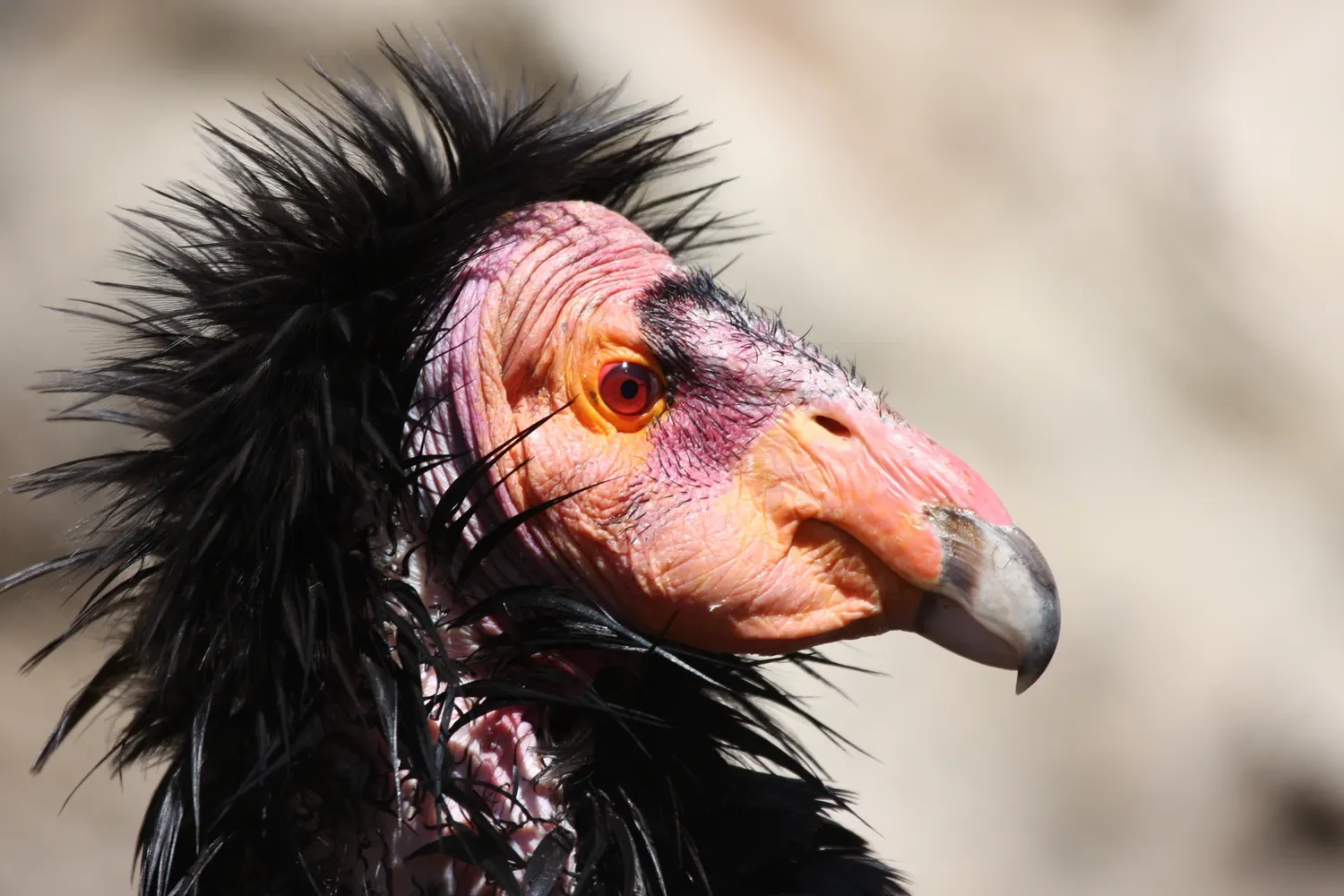
Beauty can influence attention, but it is not a risk category
In one zoo adoption study of more than ten thousand participants, charismatic species were more likely to be chosen than less charismatic species, while threat status did not drive the choice. That finding concerns one fundraising setting, not every conservation decision. It does show why appearance can distort what the public notices.
A useful response is not to claim that all overlooked animals are endangered. It is to show the specific evidence: population trend, range, threats and the date of a species-level assessment. Where evidence is missing, uncertainty belongs in the story.
Different animals need different solutions
Wild axolotls depend on the Xochimilco wetland system, where pollution, habitat change and invasive fish are central concerns. California condors require continued management, and lead from ammunition remains a major cause of death. Chinese giant salamanders face a more complicated recovery because what was long treated as one species includes distinct lineages.
A single slogan cannot solve all three problems. The right action can involve restoring clean habitat, changing a source of poisoning or protecting genetically distinct populations. Each plan must follow the animal and the place.
Status can change when conditions change
The saiga antelope illustrates why a status label needs a date. After severe losses, conservation work and population growth led to its global Red List category changing from Critically Endangered to Near Threatened. That does not mean every local population is secure or that future threats have vanished.
Likewise, 'Not Evaluated' is not a hidden synonym for safe. It means a formal global assessment has not been made. The blobfish is a familiar example of why absence of a status should not be converted into a dramatic claim.