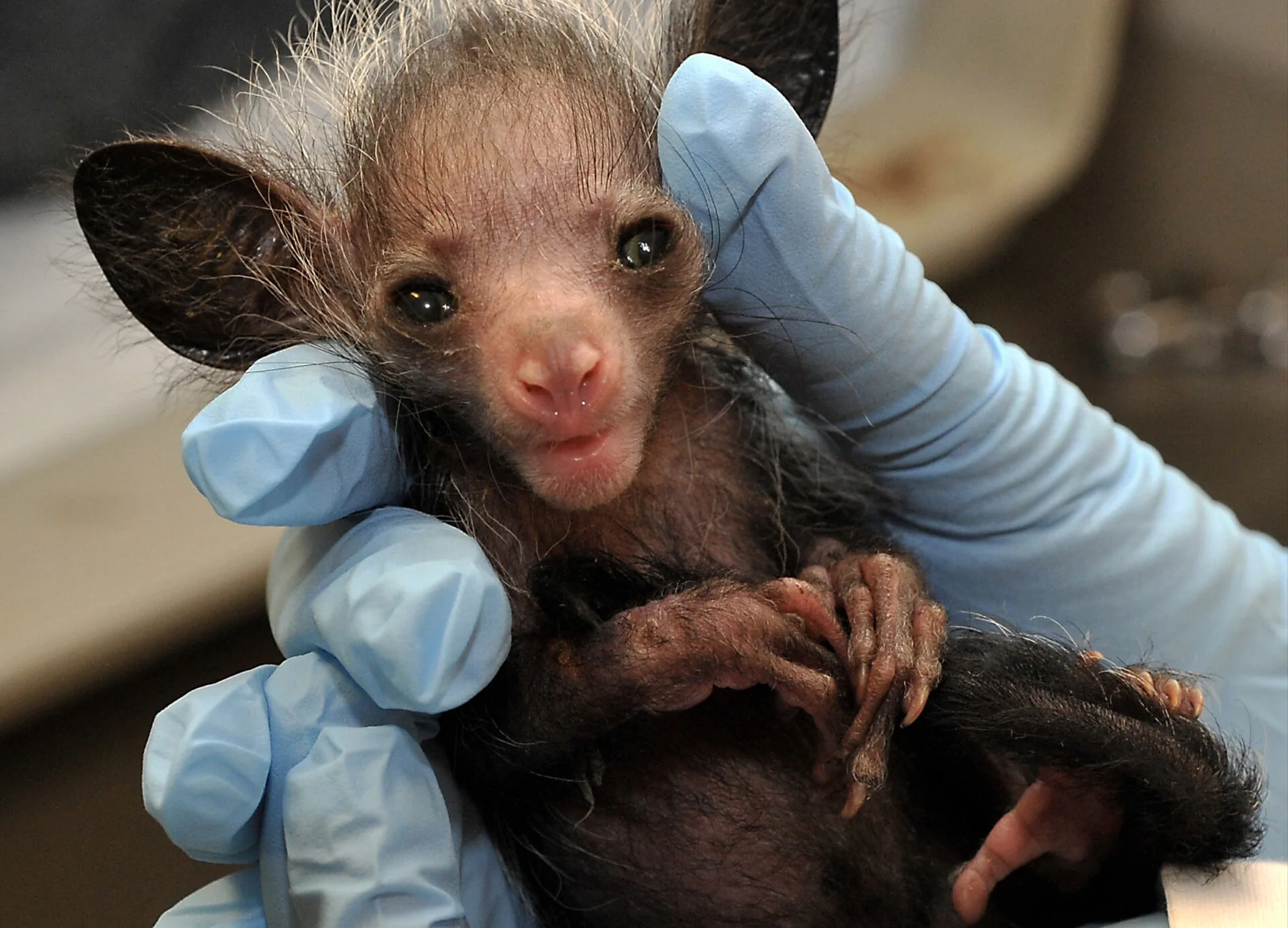
 01Mammal
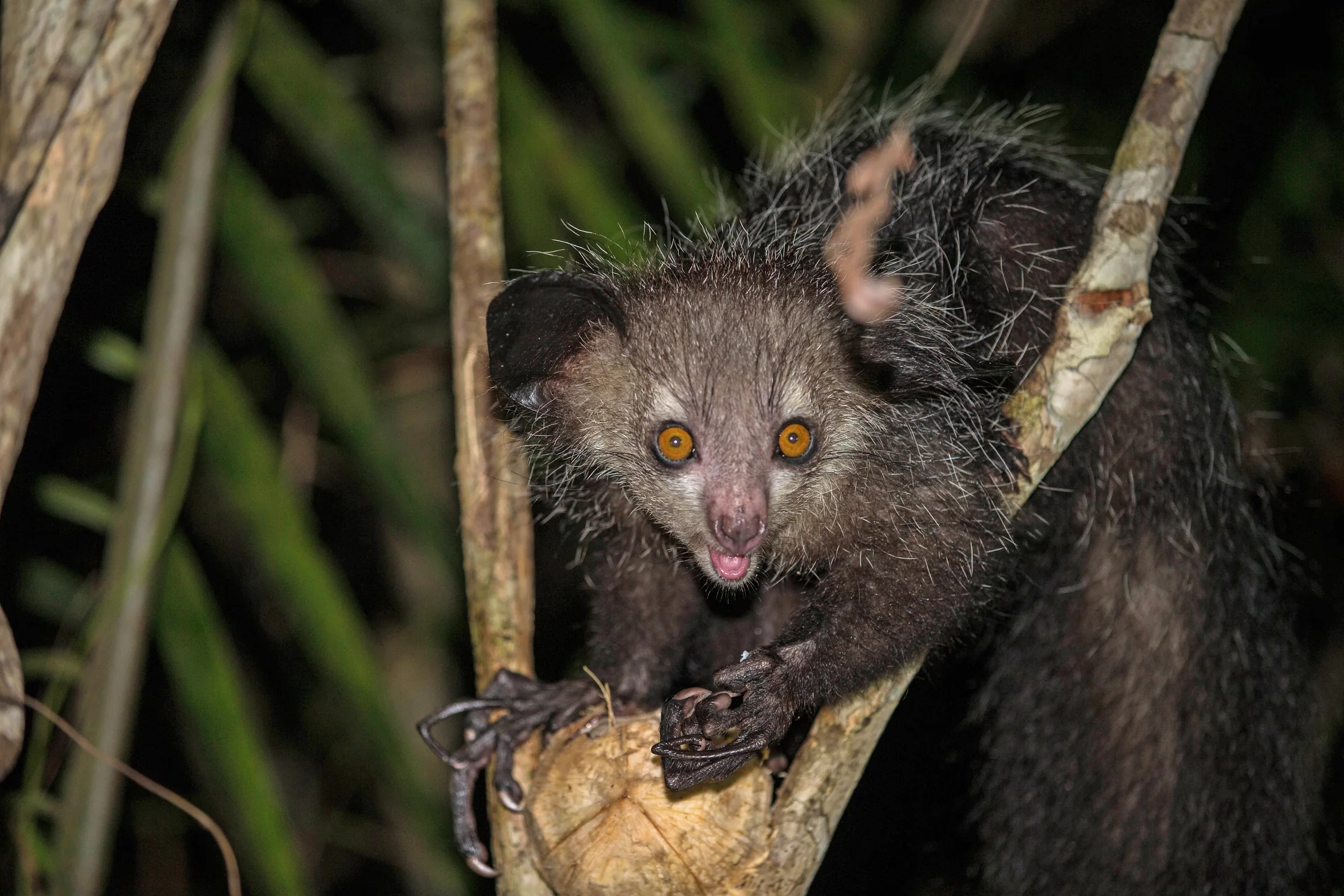
Daubentonia madagascariensis
Aye-aye
Large ears, growing incisors and a thin middle finger help it find food inside wood.
Read Aye-aye profile
Animal group guide
Mammals can look unfamiliar for very different reasons. A bare body may move easily through tunnels, an enlarged nose can shape sound or air, and a single finger can become a precise feeding tool.
What connects them
The mammals collected here are not a biological subgroup. They range from primates and rodents to bats, anteaters and seals. What connects them is the human reaction to features that depart from a familiar pet-like face.
Looking at function changes the comparison. The star-nosed mole has a tactile organ where people expect a simple nose. The naked mole-rat has loose skin and exposed incisors suited to underground work. The aye-aye combines sensitive ears, growing teeth and a highly mobile finger to extract food from wood.
Body shape also records habitat and social life. The saiga conditions dusty or freezing air through its flexible nose, while the male proboscis monkey uses an enlarged nose in visual and vocal signalling. Appearance is the visible result of many different ecological problems.
Meet the mammals
01MammalDaubentonia madagascariensis
Large ears, growing incisors and a thin middle finger help it find food inside wood.
Read Aye-aye profile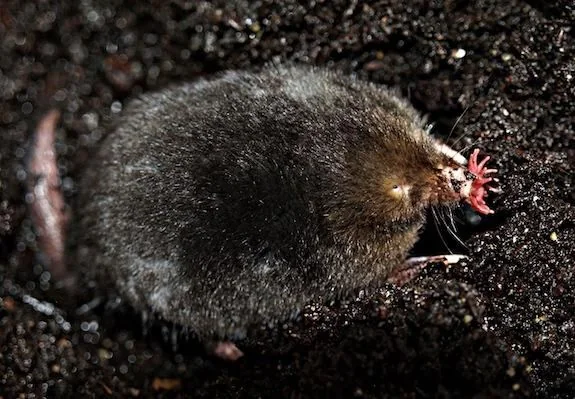 02Mammal
Condylura cristata
Twenty-two fleshy rays turn its nose into an exceptionally sensitive touch organ.
Read Star-nosed mole profile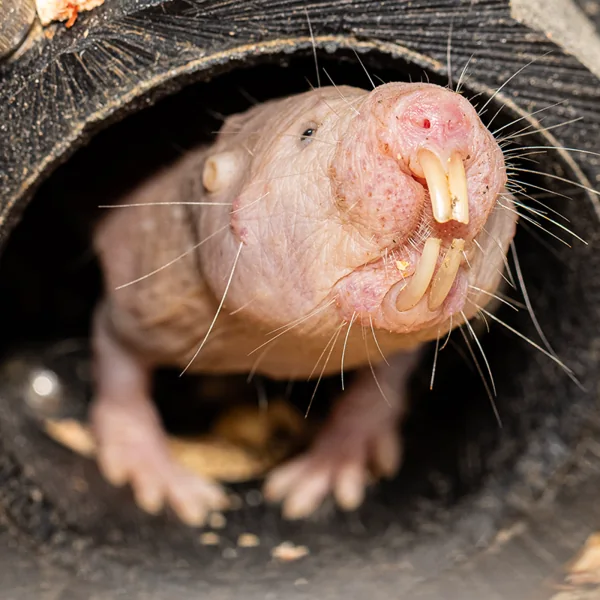 03Mammal
Heterocephalus glaber
Sparse hair, loose skin and front teeth that close outside the lips suit life in tunnels.
Read Naked mole-rat profile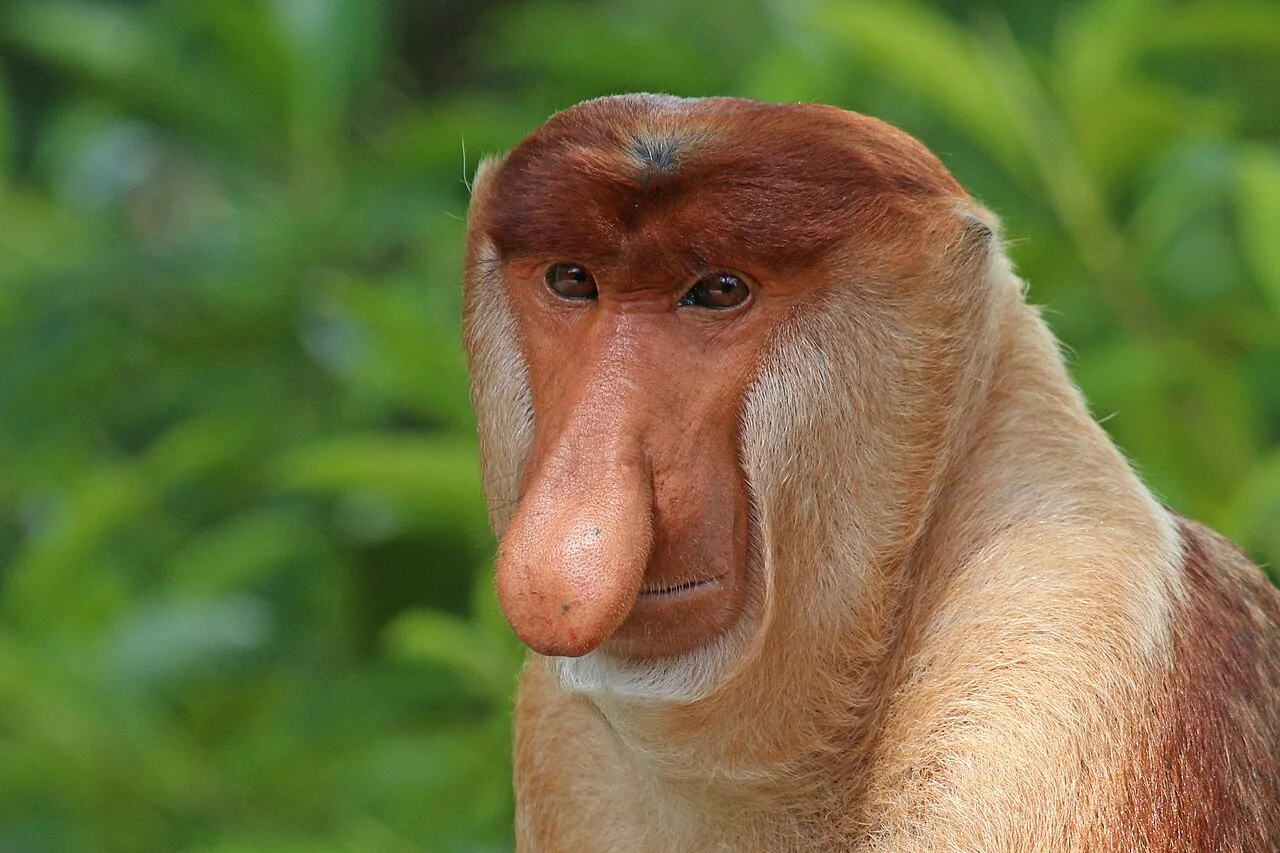 04Mammal
Nasalis larvatus
The adult male's enlarged nose is part of the species' visual and vocal signalling.
Read Proboscis monkey profile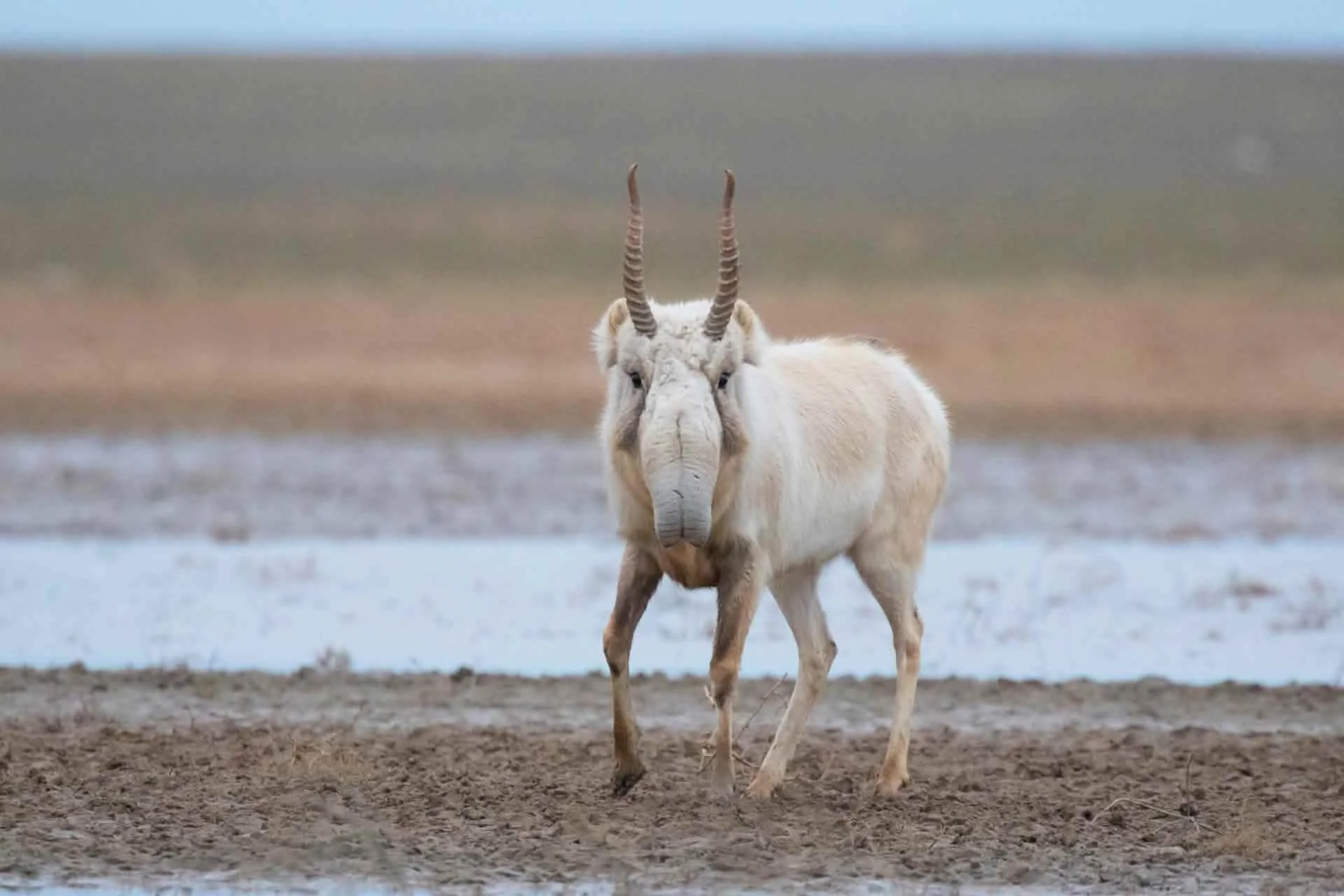 05Mammal
Saiga tatarica
Its enlarged nose helps condition cold air and filter dust across the open steppe.
Read Saiga antelope profile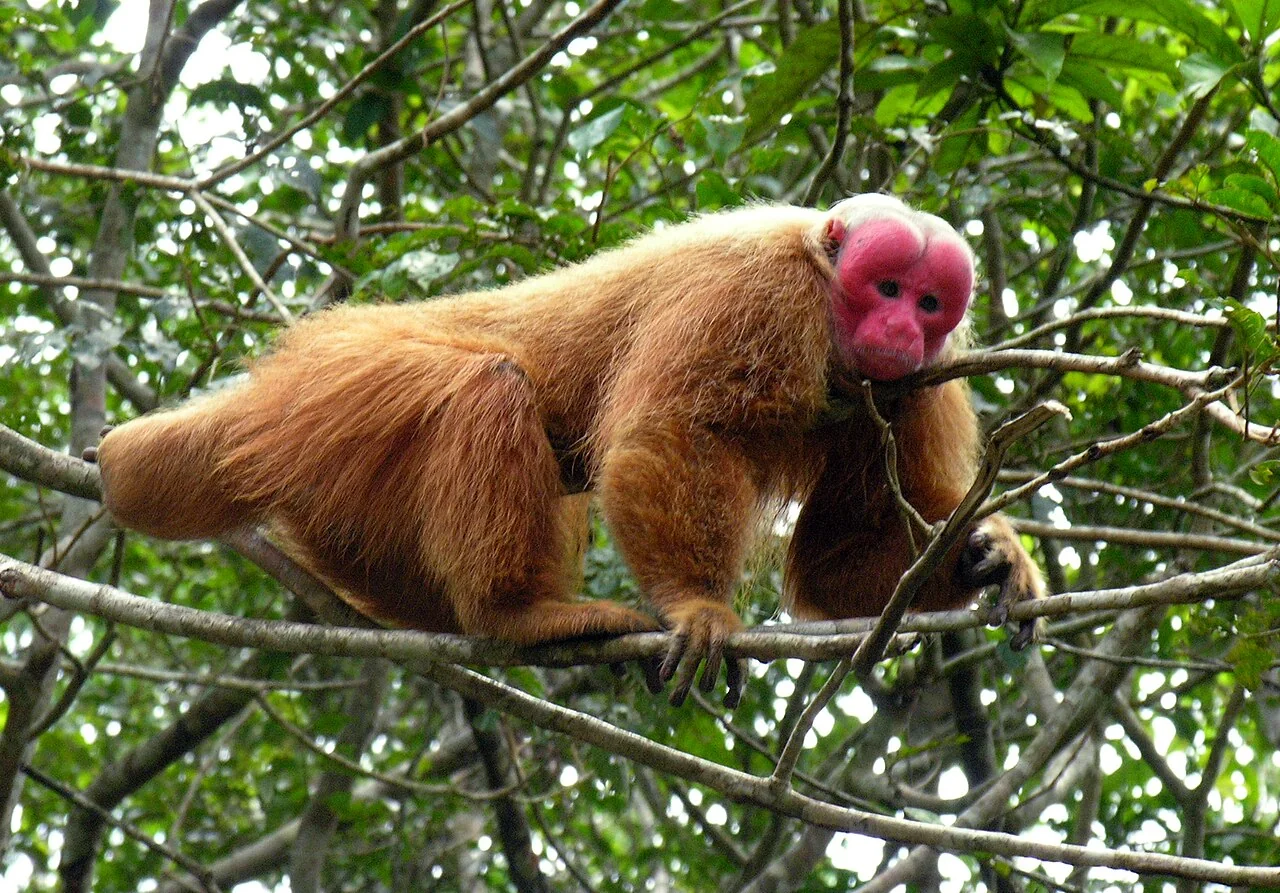 06Mammal
Cacajao calvus
A bare, richly supplied face produces the vivid red colour used in social assessment.
Read Bald uakari profile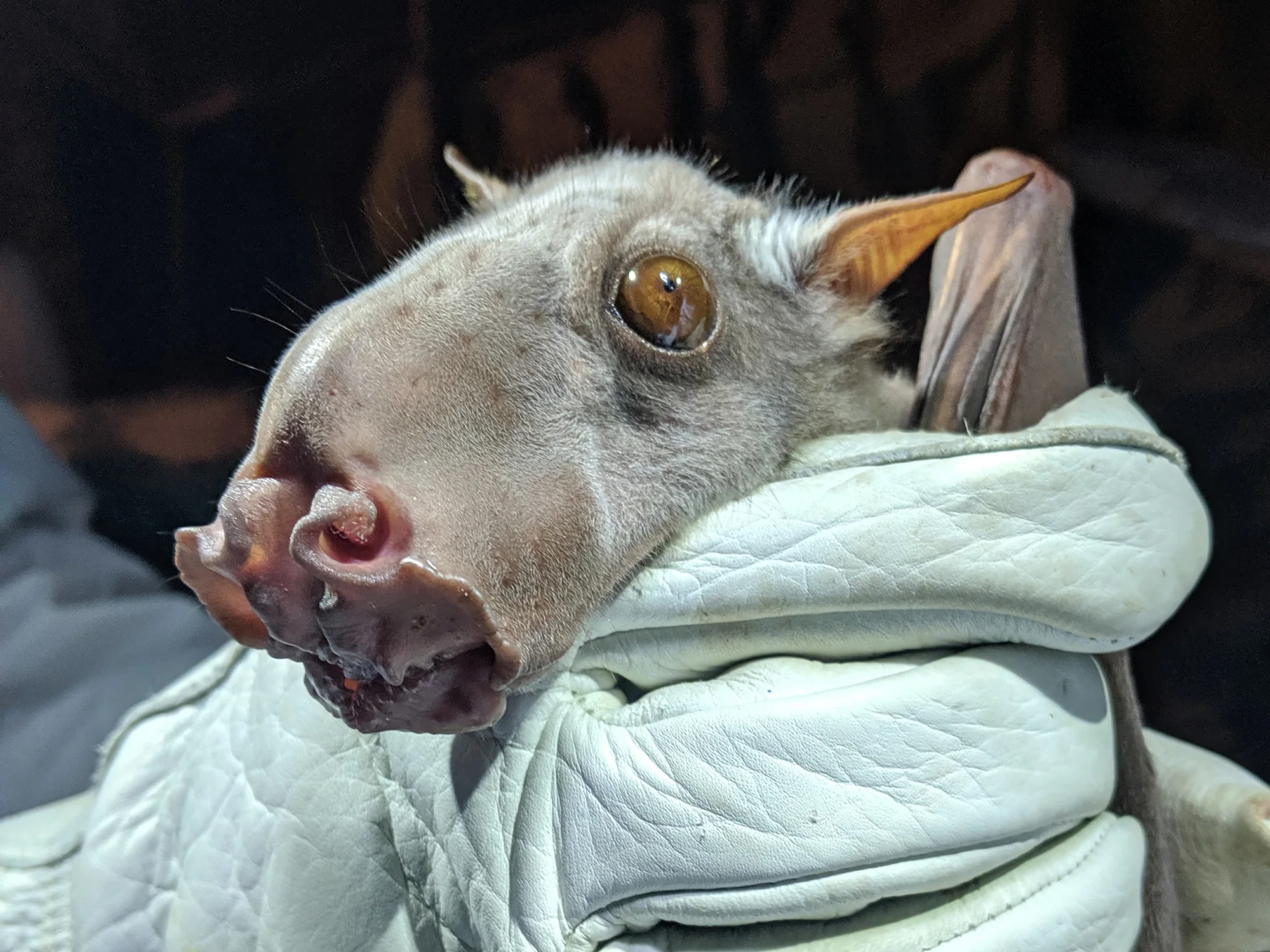 07Mammal
Hypsignathus monstrosus
The male's broad muzzle and enlarged voice box help produce resonant courtship calls.
Read Hammer-headed bat profile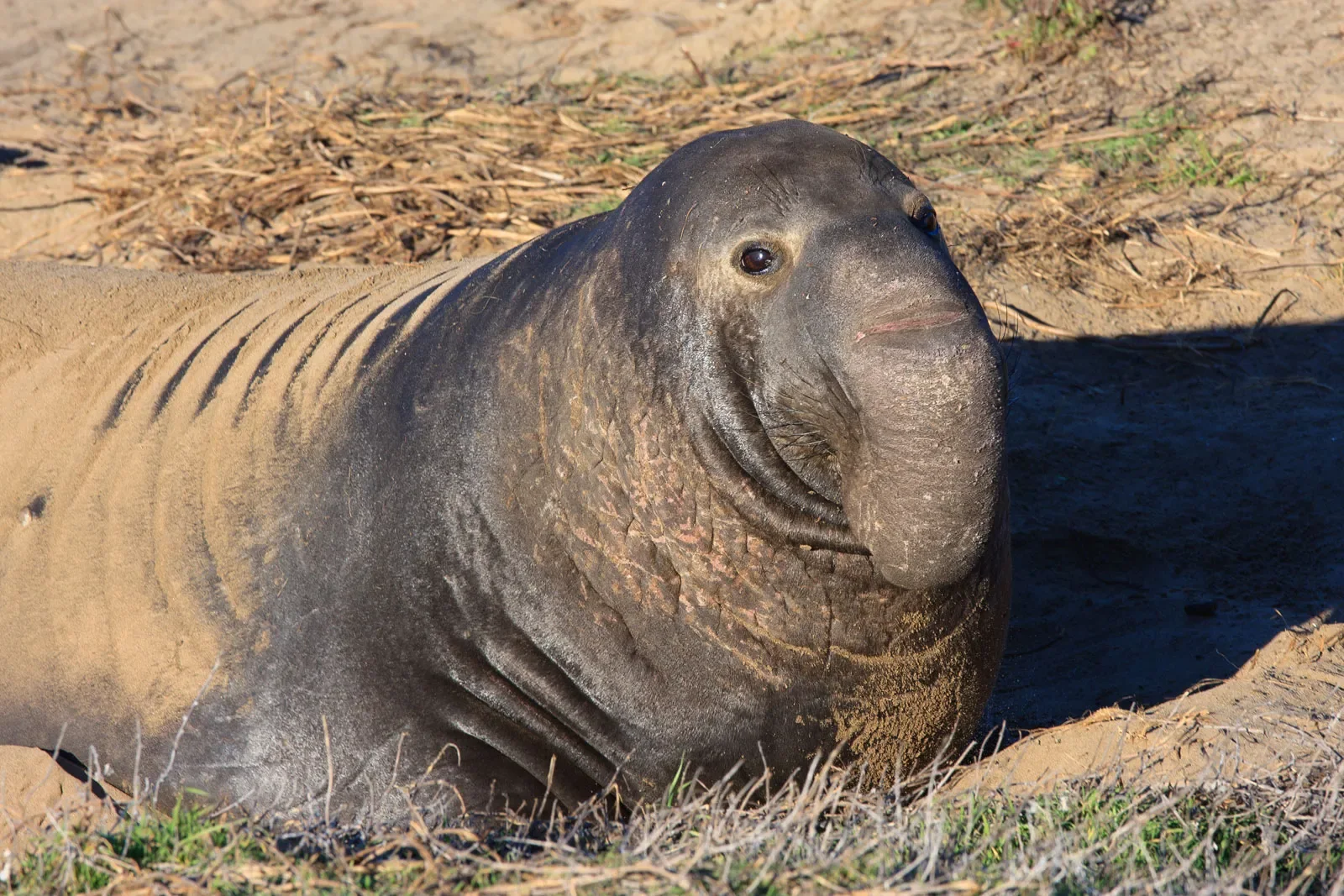 08Mammal
Mirounga leonina
The adult male's inflatable nose amplifies calls and makes his size more conspicuous.
Read Southern elephant seal profile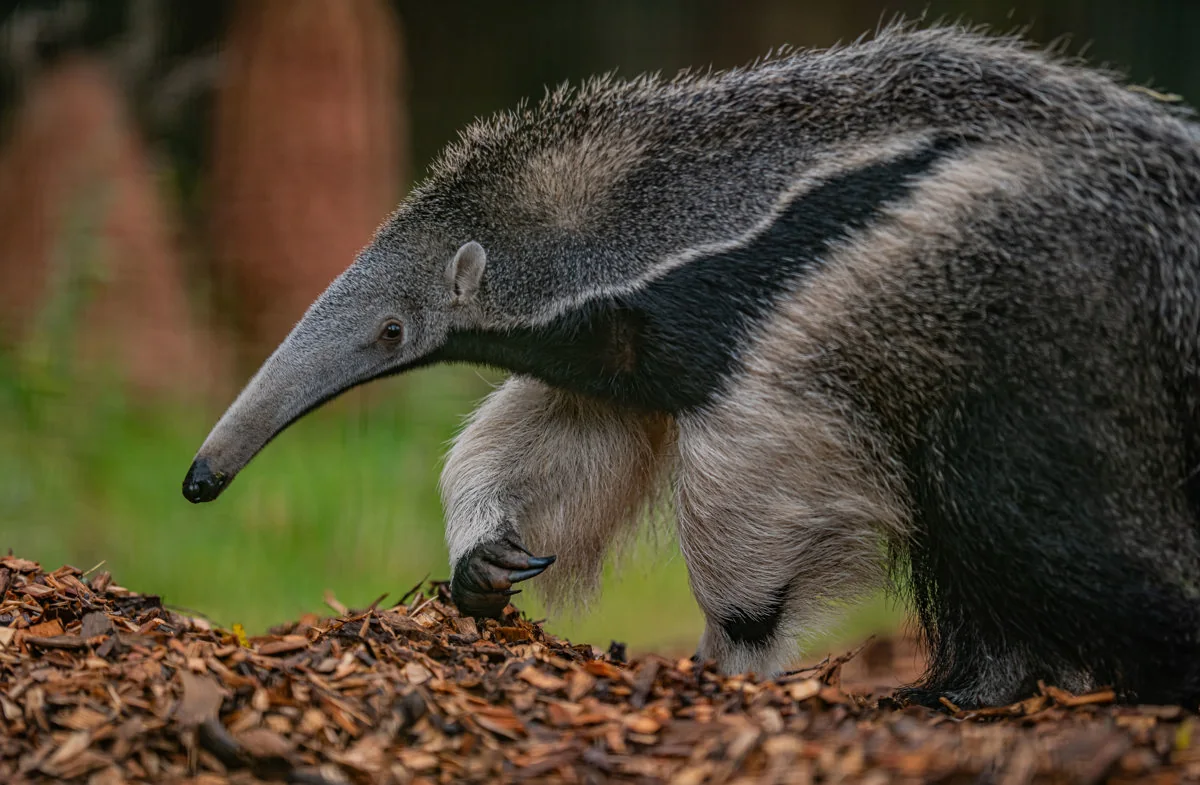 09Mammal
Myrmecophaga tridactyla
A long snout and tongue reach deep into ant and termite nests without the need for teeth.
Read Giant anteater profile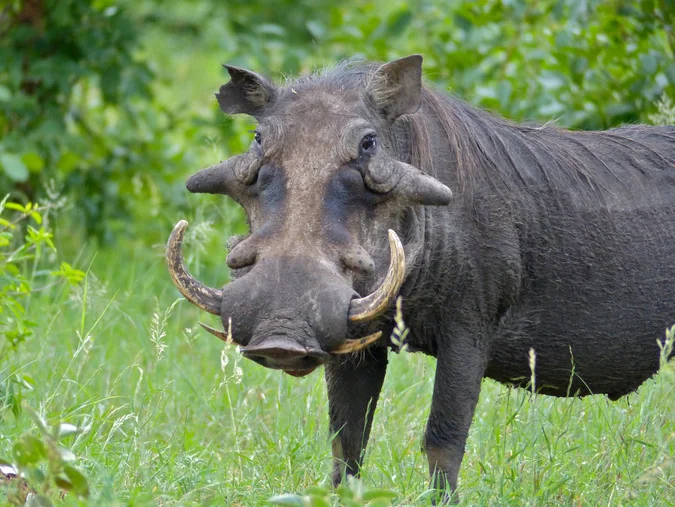 10Mammal
Phacochoerus africanus
Tusks are tools and weapons, while thick facial pads offer protection during clashes.
Read Common warthog profile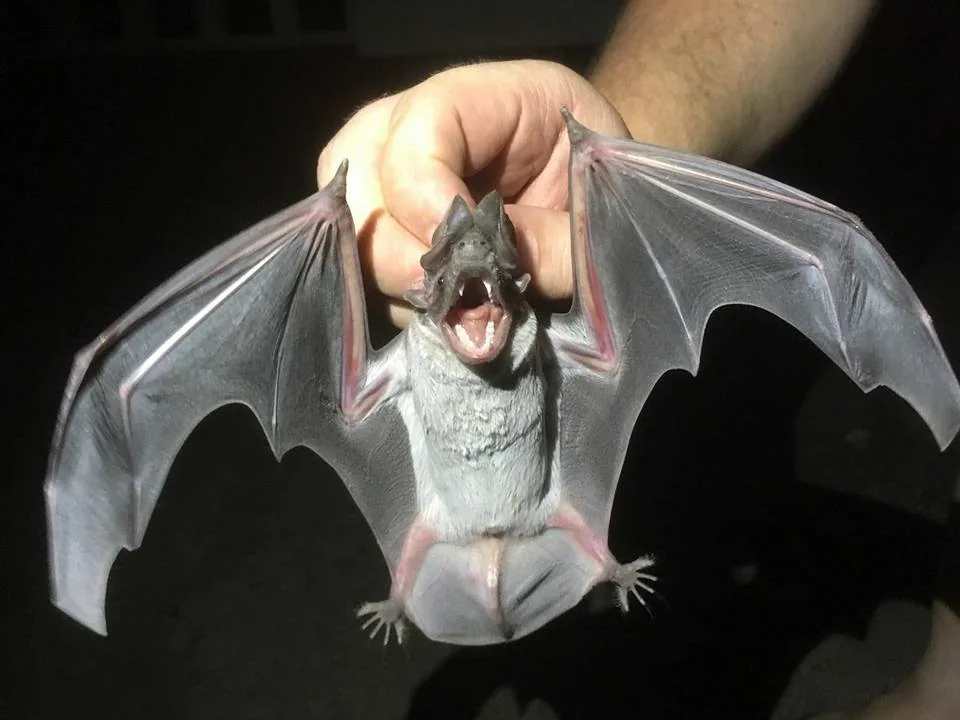 11Mammal
Mops condylurus
Broad ears, wrinkled lips and long narrow wings belong to a fast aerial insect hunter.
Read Angolan free-tailed bat profileContinue exploring
See every animal in the collection
Browse all 24 animalsAppearance and function
| Visible feature | Biological role | Examples |
|---|---|---|
| Enlarged or specialised noses | Touch, airflow, sound and social signalling | Star-nosed mole, saiga, proboscis monkey |
| Sparse hair or bare skin | Movement and heat exchange in specialised habitats | Naked mole-rat, elephant seal |
| Unusual teeth, fingers or snouts | Reach food that other animals cannot access | Aye-aye, giant anteater, naked mole-rat |
| Large ears and facial structures | Detect or produce sound | Aye-aye, hammer-headed bat |