
Biology field guide
Digging adaptations made from teeth, claws and powerful limbs
Digging may create a home, uncover food or provide an escape. Different lineages have modified the structures they already possessed rather than evolving one universal digging body.
Animals in this guide
5 connected profiles
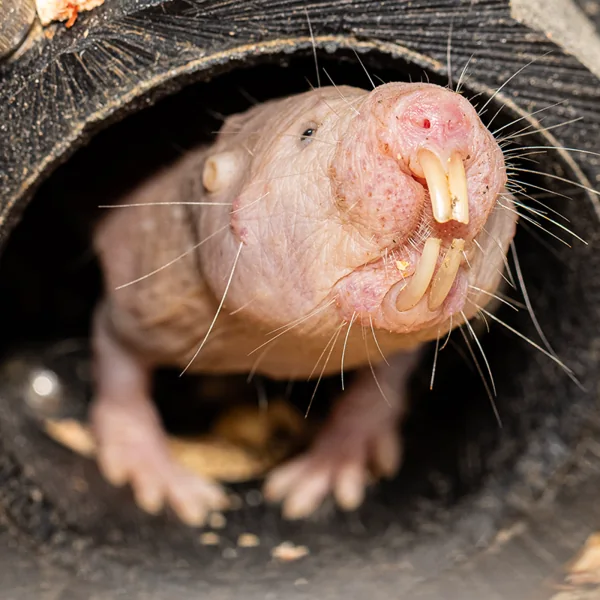
Mammal
Naked mole-rat
It is not completely hairless. Fine sensory hairs help it navigate tunnels, while large front teeth dig through compacted soil without filling the mouth with dirt.
Read profile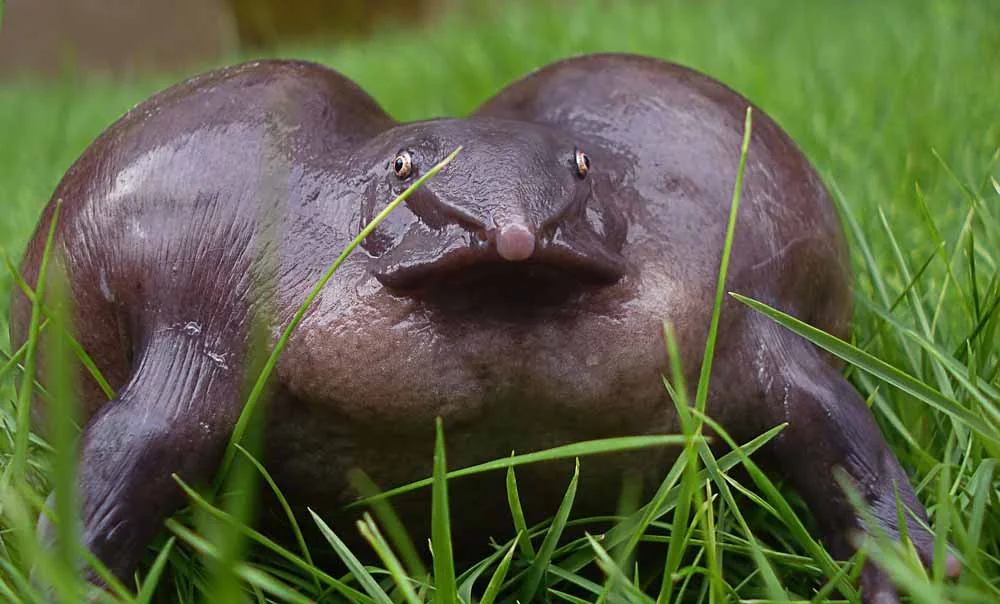
Amphibian
Purple frog
A compact body and reinforced limbs push through soil, while the narrow snout helps the frog work around underground feeding spaces.
Read profile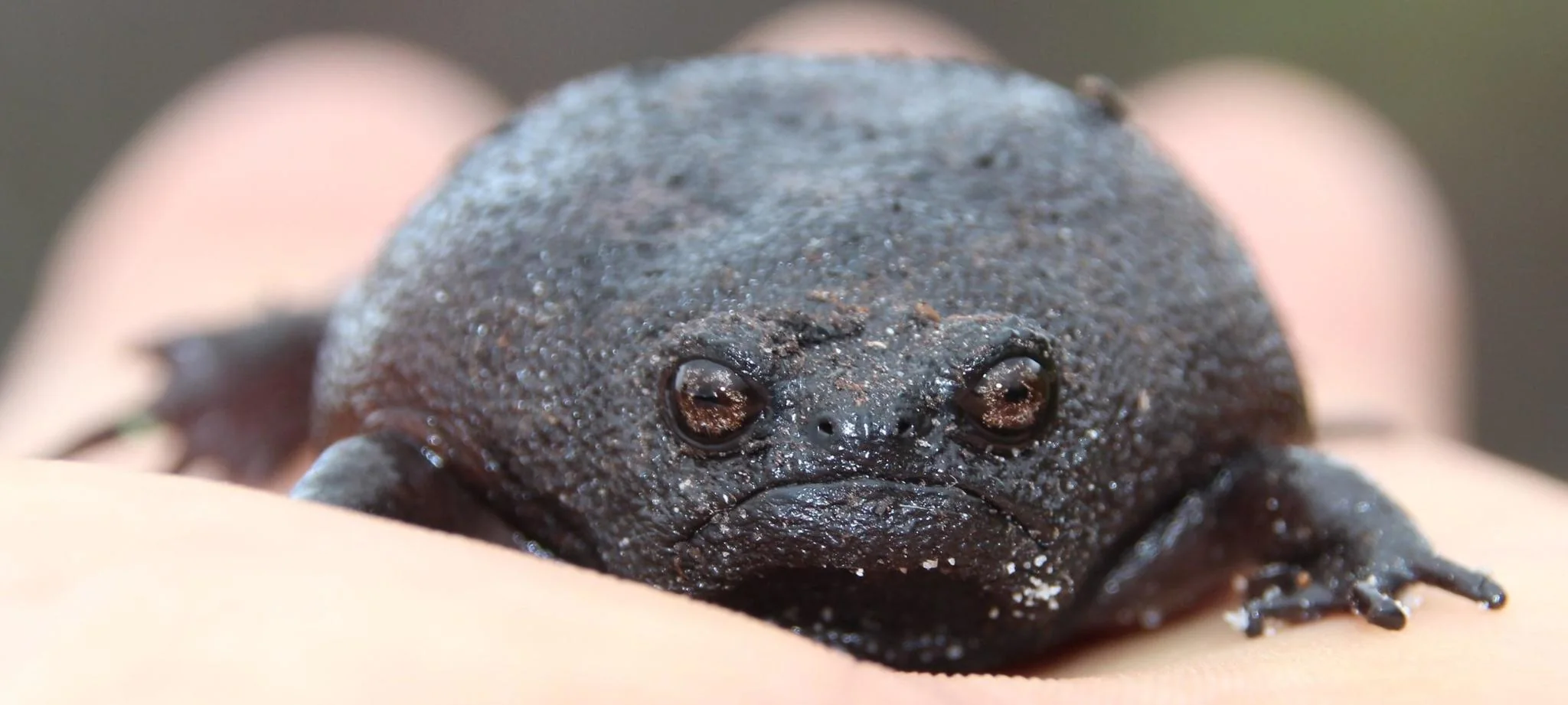
Amphibian
Black rain frog
Short muscular limbs push soil aside. The compact round body is stable underground, while inflation can make the frog harder for a predator to pull from a burrow.
Read profile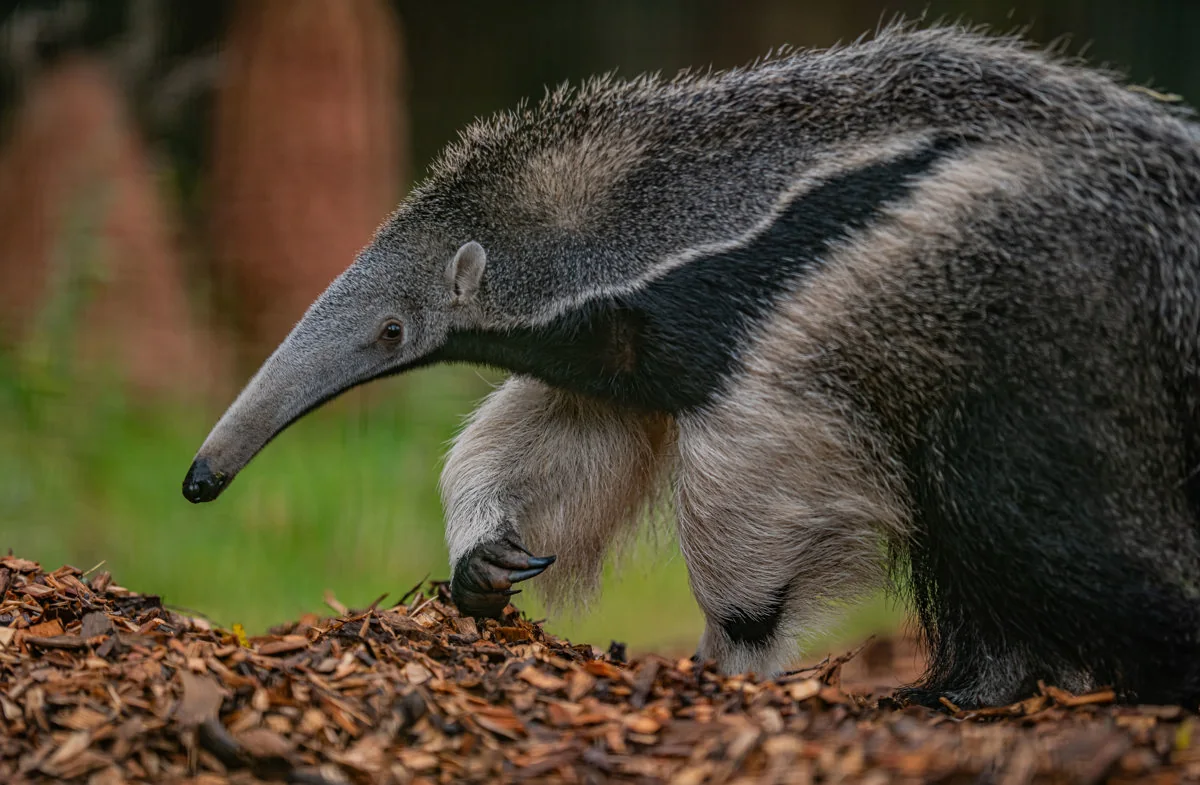
Mammal
Giant anteater
Claws break the nest, smell locates the insects and a saliva-coated tongue enters narrow chambers. The long skull is a housing for specialised feeding equipment.
Read profile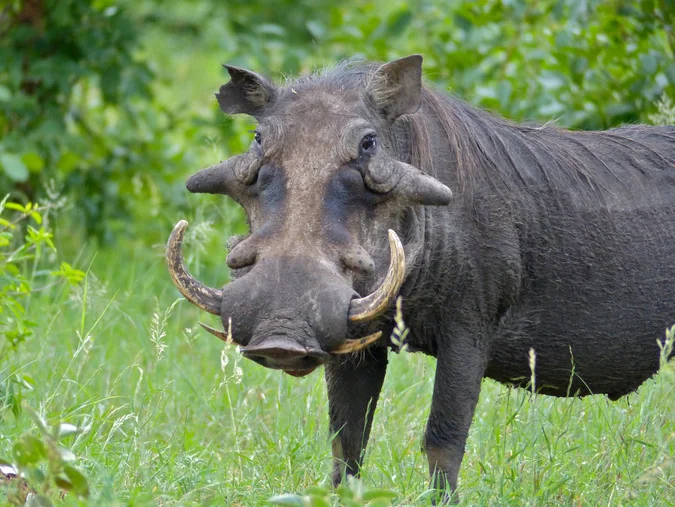
Mammal
Common warthog
Facial pads cushion the head during clashes. Curved tusks defend, display and help move soil, while the broad snout grazes close to the ground.
Read profile01
Which body part becomes the digging tool?
Naked mole-rats use large incisors. Purple frogs and black rain frogs rely on compact bodies and muscular limbs. Giant anteaters open insect nests with long foreclaws, while warthogs use the snout and tusks when moving soil.
The tool reflects both ancestry and task. Excavating a permanent tunnel is different from entering soft soil or breaking a termite mound for a short feeding visit.
02
What does a digging body trade away?
A compact underground body may not run or jump like a surface specialist. Large claws can make walking look awkward, and projecting teeth change how the mouth closes.
Those tradeoffs are only disadvantages outside the relevant task. Inside soil or a protected nest, force, leverage and tactile control matter more than graceful surface movement.
03
How does behaviour complete the digging adaptation?
The body opens the ground, but behaviour determines where tunnels, chambers and exits go. Soil moisture, temperature, food and predators influence whether an animal digs deeply, blocks an entrance or uses an existing burrow.
Some animals build long-lived tunnel systems. Others enter soil for shelter or reproduction and return to the surface. The word burrower covers several different relationships with the ground.
04
How can digging change the surrounding habitat?
Excavation mixes soil, creates shelter and can alter how water and air move below the surface. An abandoned hole may later be used by another animal, while disturbed soil can affect seeds and small invertebrates.
These effects vary with species and landscape. It is safer to describe the measured behaviour of a particular digger than to assume every burrower has the same ecological role.
Continue exploring
Compare this guide with the wider collection.