
Ugliness is a human judgment, not a biological category
People often favour round faces, smooth fur and proportions that resemble familiar young mammals. A very long snout, exposed incisors, folded skin or a face with little hair can interrupt those expectations. The label tells us what a viewer notices; it says nothing by itself about an animal's health or evolutionary success.
Different cultures and viewers may respond differently, and the same person can change their mind after learning what a feature does. That is why a list of 'ugliest animals' is never a scientific ranking. It is a starting point for better questions.
The feature may solve a practical problem
The star-nosed mole's fleshy rays make a fast tactile surface for finding small prey. The saiga antelope's large flexible nose helps condition dusty and cold air. The aye-aye's long middle finger probes for food in wood. None of these structures developed to be pleasing or displeasing to people.
Shape alone can mislead. A bare head has a different story on a carrion-feeding condor than sparse hair has on a tunnelling naked mole-rat. An explanation needs the right species, behaviour and habitat, not a single rule for every animal called ugly.
A photograph may show the wrong context
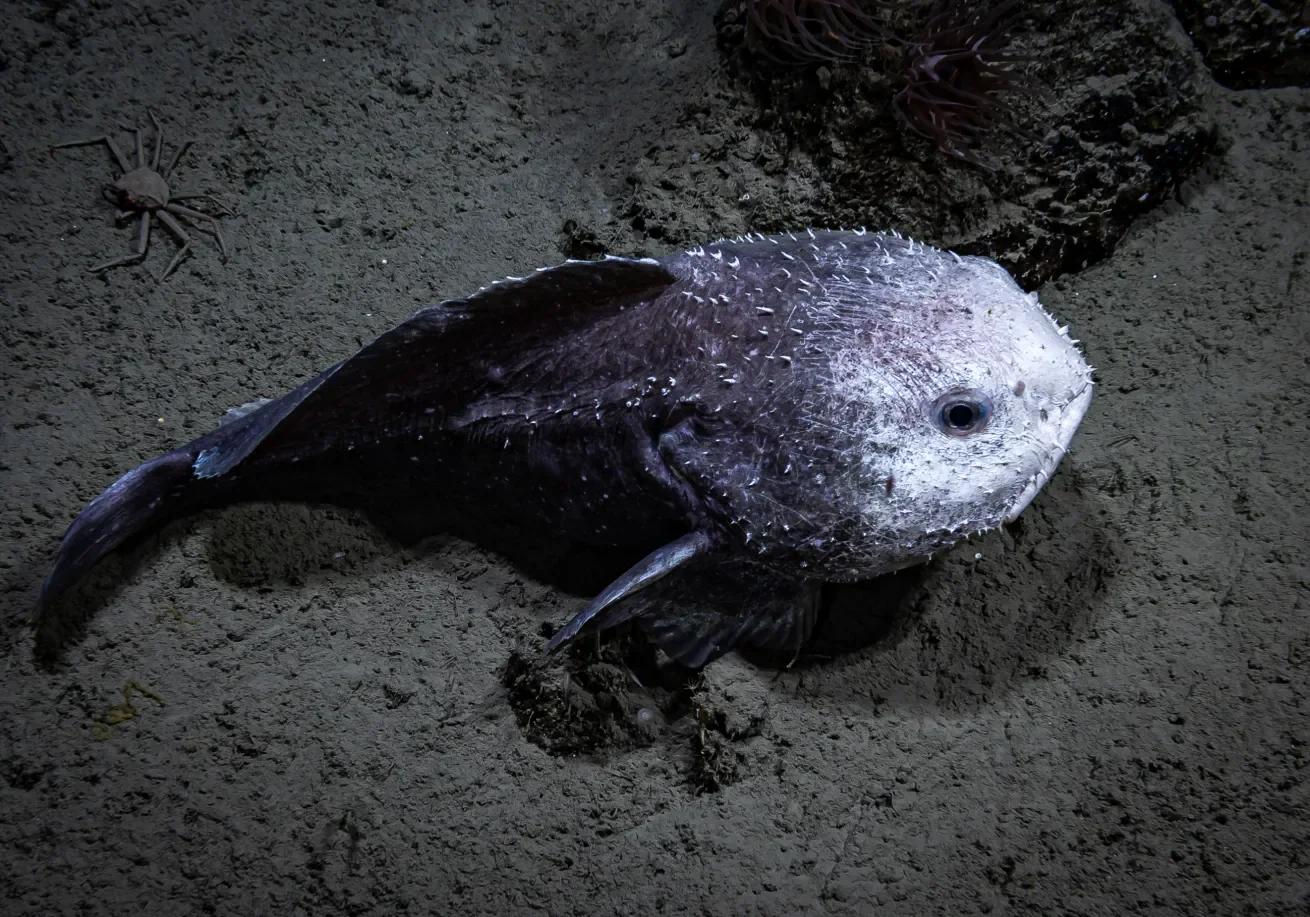
The famous drooping blobfish was photographed after deep-water capture. Its soft tissue had lost the support of the surrounding water and may have been damaged by rapid ascent and handling. The photograph is real, but it is not a neutral portrait of an undisturbed fish on the seafloor.
Lighting, angle, maturity, sex and season can also change a viewer's impression. For species identification and biological claims, the picture should be treated as evidence with conditions, not as the whole story.
Four better questions to ask
What species is it? Is the image of a healthy living animal in its normal environment? What task might the visible structure perform? And what source supports that explanation? The answer may be clear for a feeding tool and uncertain for a feature that has scarcely been studied.
The word 'ugly' can bring someone to the animal. Understanding begins when the label stops doing the explanatory work.