
The first impression is not an explanation
People notice traits that differ from familiar pets or idealised wildlife photographs: bare skin, large mouths, folds, narrow bodies and faces that seem almost human. 'Ugly' describes that reaction. It does not identify a branch of the animal family tree or explain how a feature works.
A specimen can also look different after capture. The blobfish is a useful warning: the soft-bodied fish made famous by a photograph had been hauled from deep water. A living relative on the seafloor retains a recognisable fish shape. Before asking why an animal looks strange, it is worth asking whether the picture shows it in its normal condition.
One odd-looking feature can do several jobs
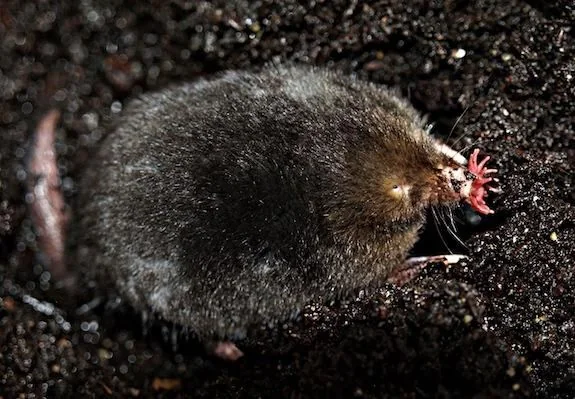
A nose can help an animal sense prey, condition cold air or amplify a call. The star-nosed mole, saiga antelope and proboscis monkey all have conspicuous noses, but their anatomy and ecological problems are different. Similar appearances do not always mean similar functions.
Other features are easier to read in context. The axolotl's external gills fit a life spent in water. The mata mata turtle's ragged outline helps it disappear among river debris. A condor's bare head is useful when feeding inside carcasses. The same body can seem bizarre in a portrait and practical in a habitat.
How to read an animal claim
Start with the species, not a nickname. Common names can cover several species, and a broad claim about an entire family may not apply to each member. Then check whether the proposed function was observed, experimentally tested or inferred from anatomy and habitat.
Conservation status needs the same care. 'Not Evaluated' is not a synonym for safe, while a species can recover enough for its category to change. The next guides separate the question of why animals look unusual from why people may find the same animals cute, and from the independent question of extinction risk.