
Biology field guide
Animal senses and signals beyond familiar eyes and ears
Dark water, tunnels, dense forest and noisy breeding grounds reward information channels that people may overlook. Touch, vibration, resonance and visible skin can all carry useful information.
Animals in this guide
8 connected profiles
Mammal
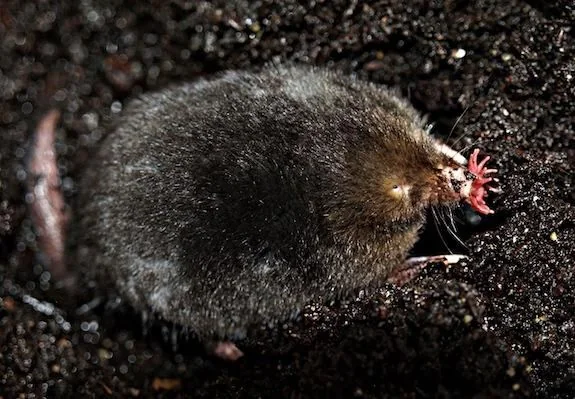
Star-nosed mole
The star does not sting or grasp like a hand. Its rays repeatedly touch the environment and send detailed tactile information to the brain.
Read profile
Fish
Goblin shark
The long snout carries sensory organs, while the highly protrusible jaws move forward rapidly to capture prey.
Read profile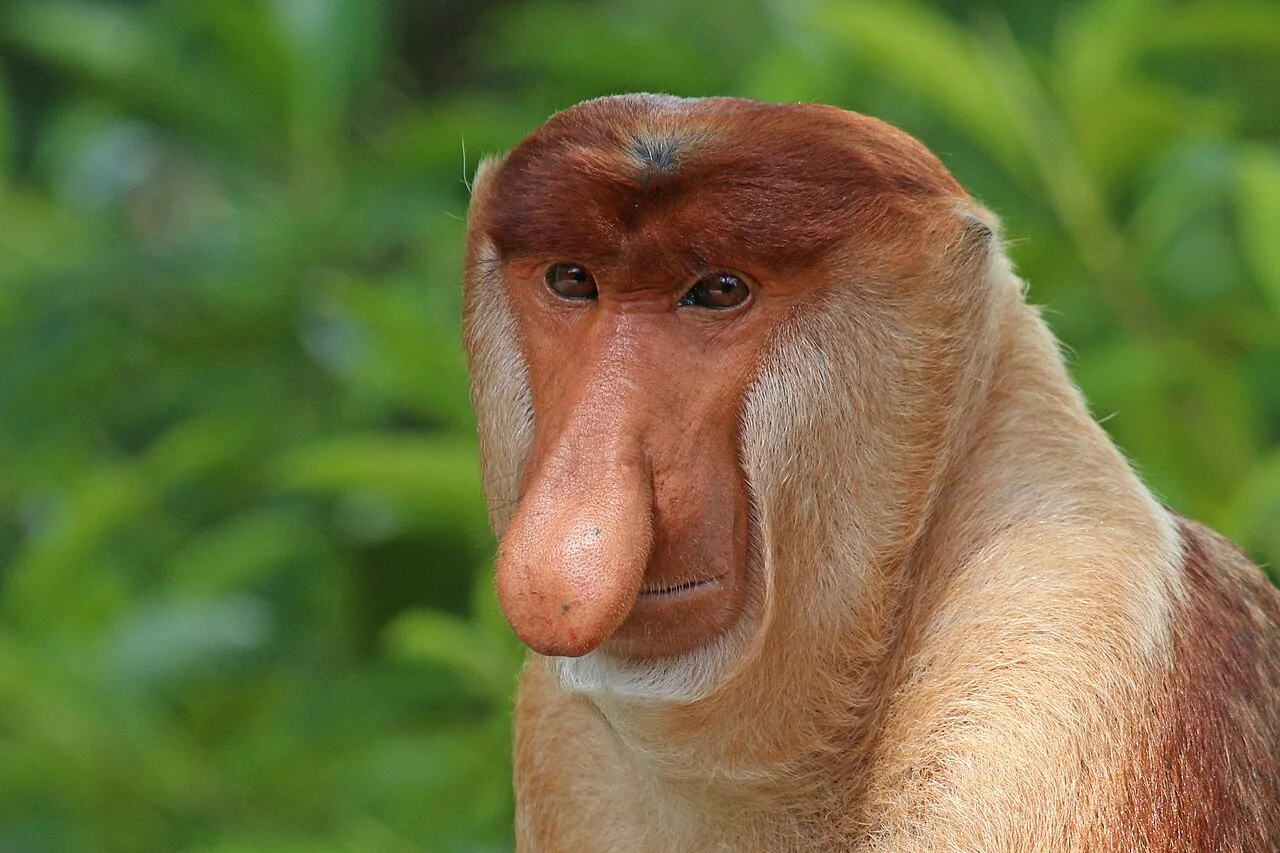
Mammal
Proboscis monkey
The male's nose is a sexually dimorphic trait. It is much larger than the female's and contributes to how males look and sound to other monkeys.
Read profile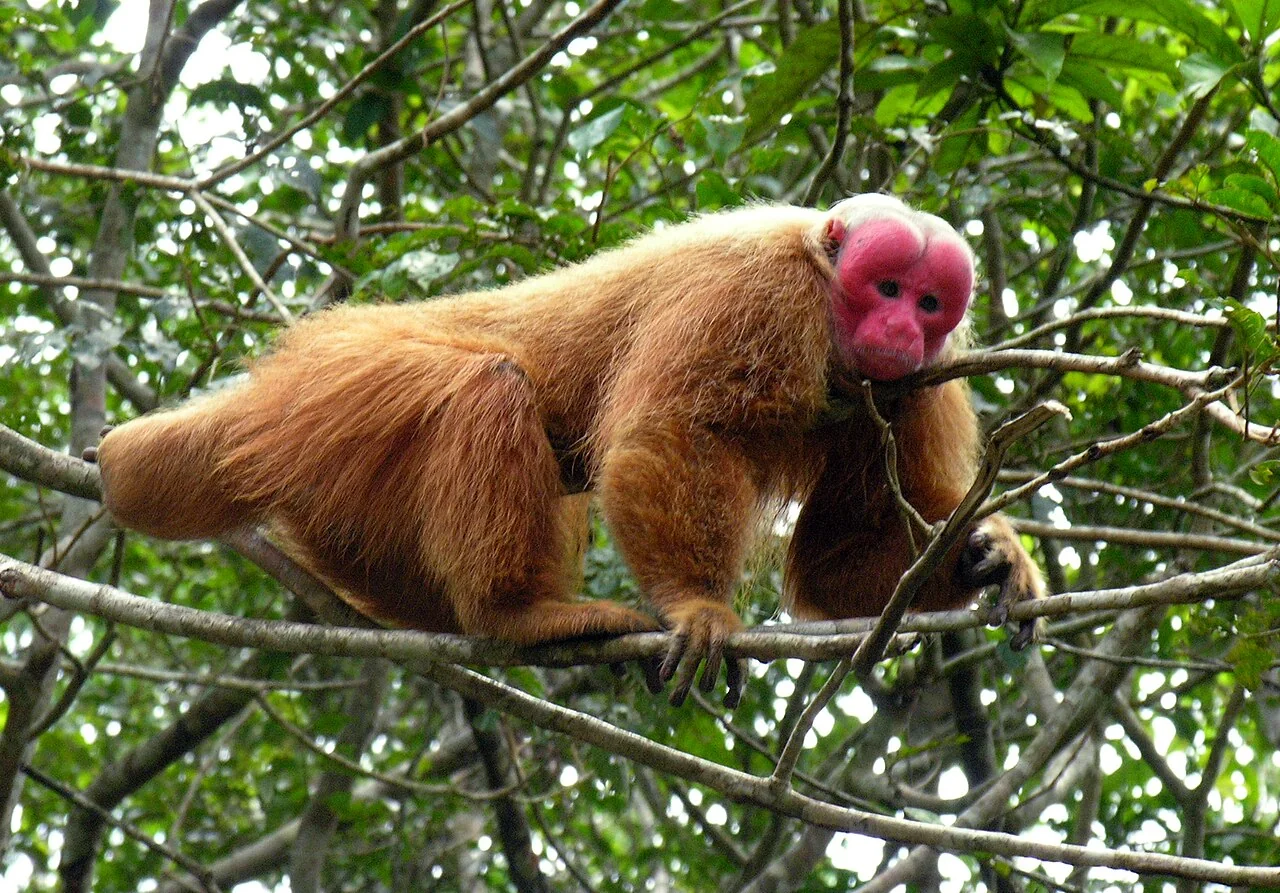
Mammal
Bald uakari
The face is red because capillaries sit beneath thin skin with little pigment. Colour may communicate health or physiological state, but simple mate-choice stories remain hypotheses.
Read profile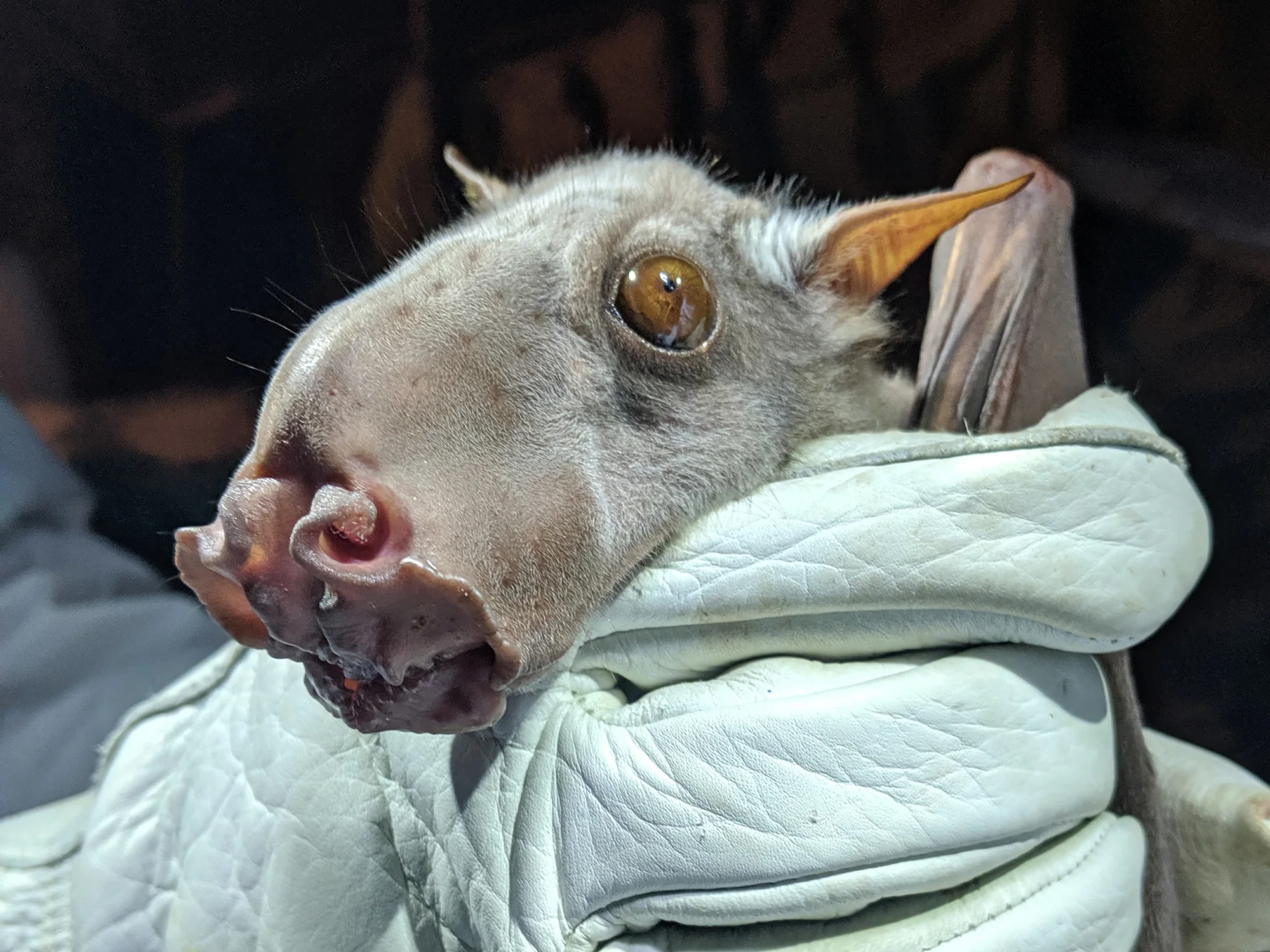
Mammal
Hammer-headed bat
The male's head is part of an acoustic system. Enlarged air passages, larynx and lips help turn a call into the far-carrying honk heard at display sites.
Read profile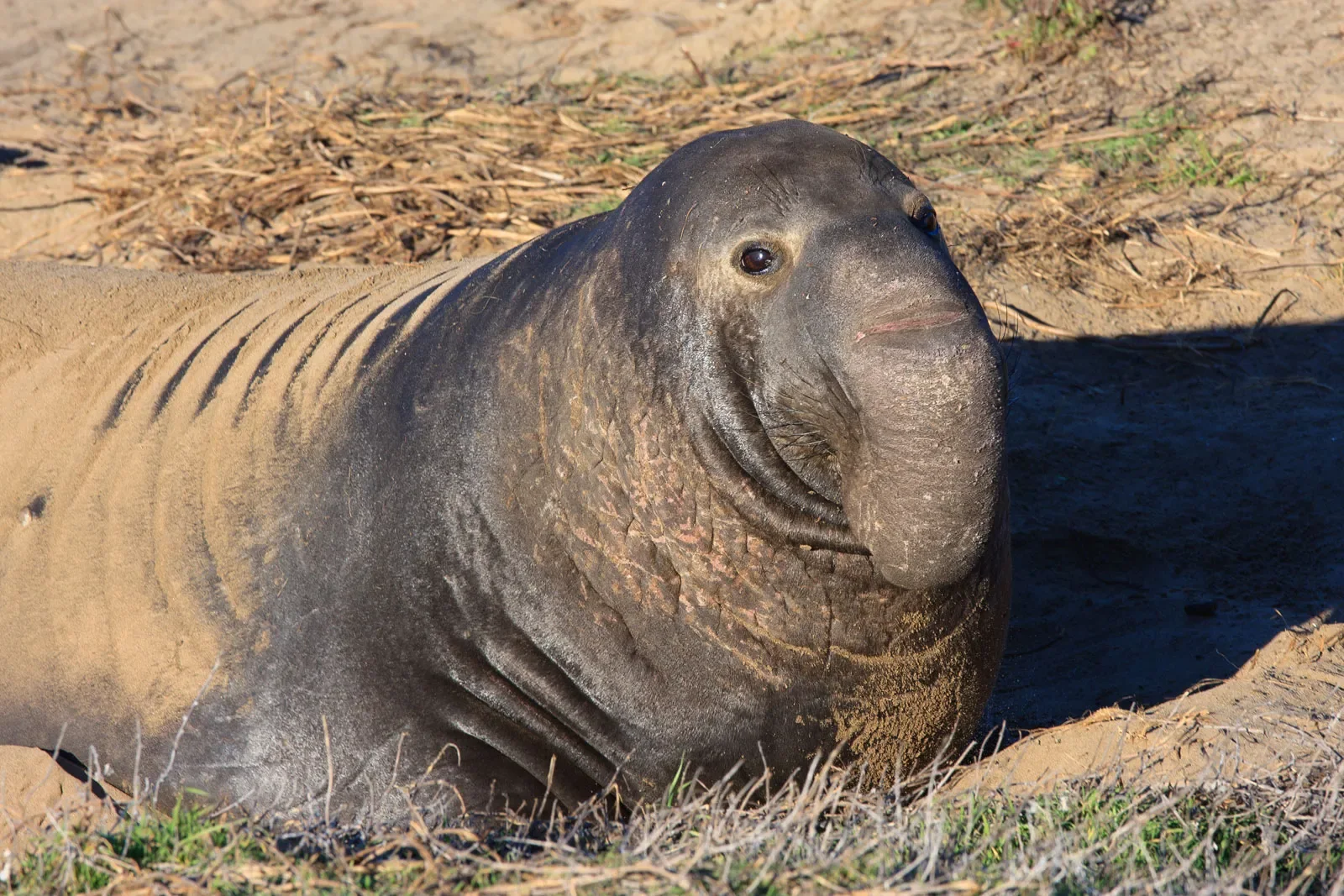
Mammal
Southern elephant seal
The mature male inflates his nose while roaring. The enlarged resonating structure helps a call carry across a noisy beach and reinforces the visual impression of body size.
Read profile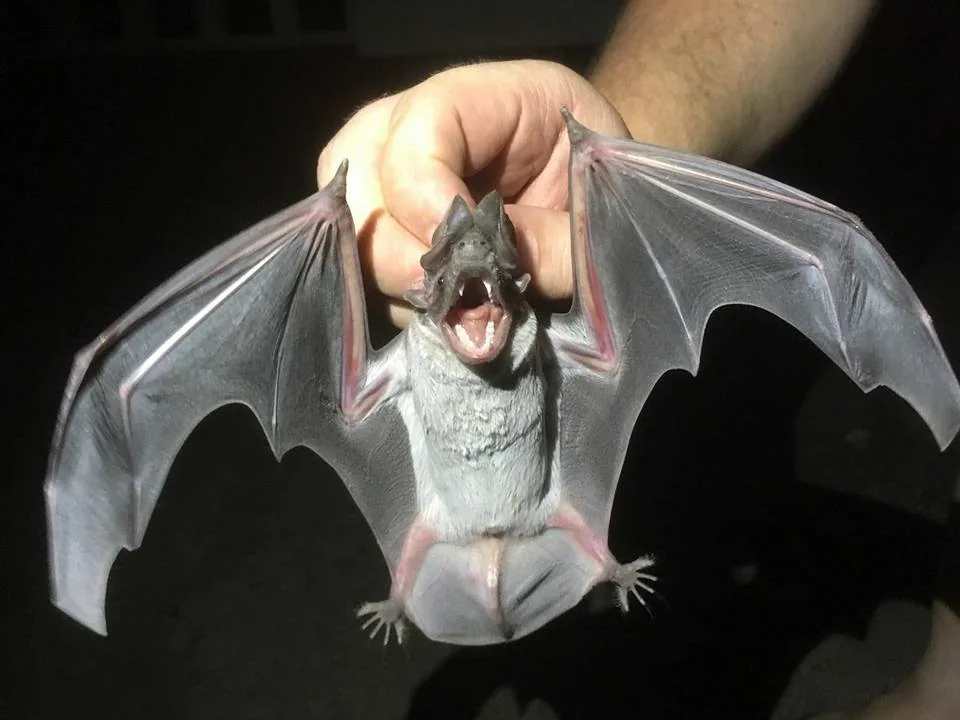
Mammal
Angolan free-tailed bat
Long narrow wings trade tight turning for efficient fast flight. The exposed tail and broad tail membrane help control pursuit of flying insects.
Read profile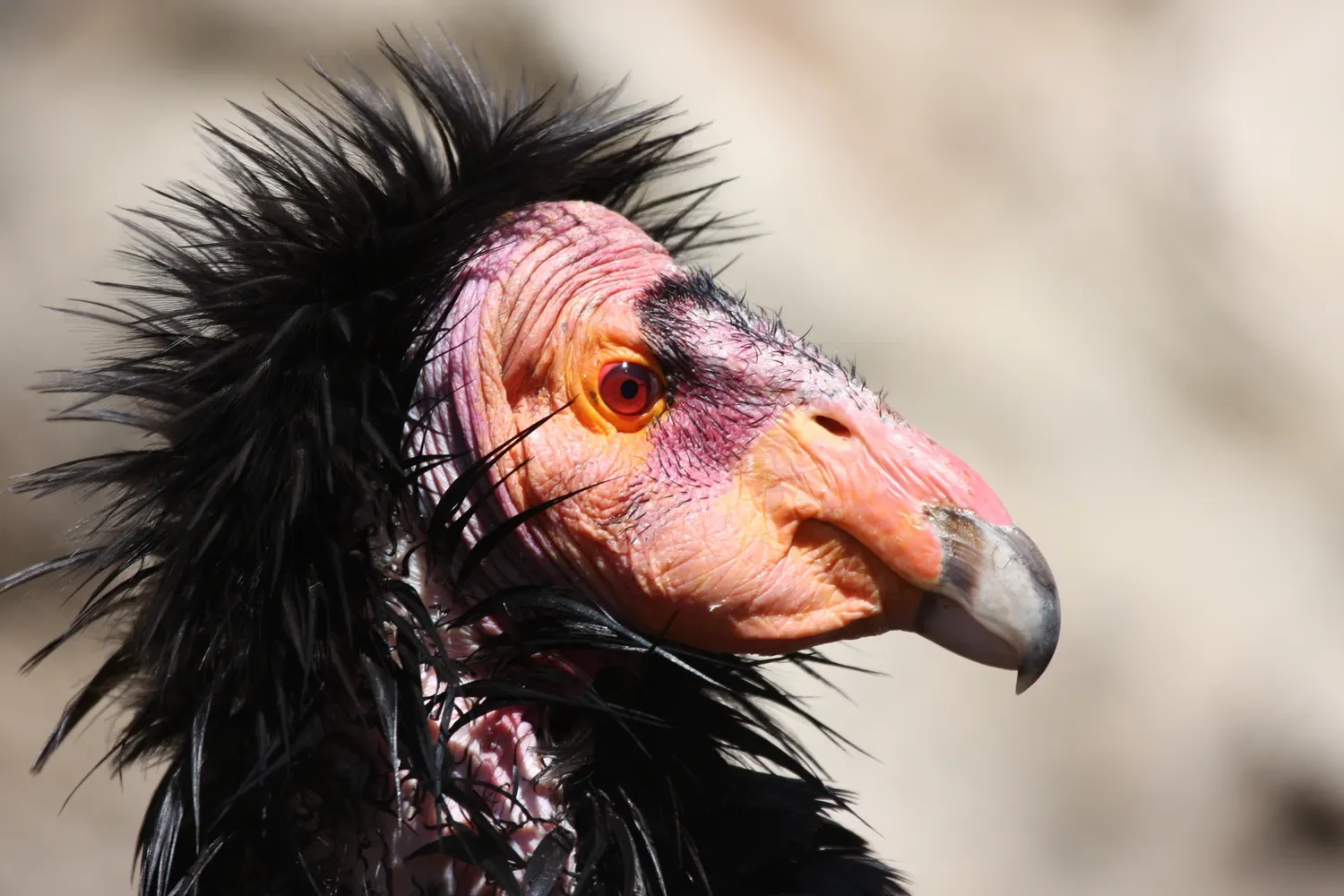
Bird
California condor
A featherless head is practical for a bird that reaches into carcasses. Exposed skin is easier to clean than blood-soaked feathers and can change colour during excitement.
Read profile01
How do animals detect what they cannot see clearly?
Star-nosed moles make rapid tactile decisions with nose rays. Goblin sharks detect electrical signals with sensory organs in the snout. Bats use sound to navigate or communicate in darkness.
Calling every unusual face a sensory adaptation would be too simple. The relevant evidence comes from anatomy, behaviour and the conditions in which the animal uses the structure.
02
How do bodies change the message?
Male hammer-headed bats, proboscis monkeys and elephant seals have enlarged structures that affect display calls. Bald uakari facial colour may provide visual information, while condor head skin can change colour during excitement.
Signals work because another animal can receive them. Their value depends on social context, distance, background noise and the receiver's sensory abilities.
03
Why use touch, sound, colour or vibration?
The useful channel depends on the environment. Touch works at close range in a tunnel, sound travels around visual obstacles and colour can provide rapid information when light and line of sight are available.
Animals often combine channels. A display may include posture, movement, scent and sound, while a hunter may use touch or electrical detection after vision has brought it close to the target.
04
How do researchers test a sensory or signalling claim?
Anatomy can show receptors, resonating spaces or blood-rich tissue, but function also needs behaviour. Researchers compare responses when a signal is present, altered or absent and ask whether the receiver changes what it does.
Some explanations remain hypotheses because the relevant animal is difficult to observe. A careful guide separates a measured sensory ability from a plausible social role and avoids turning an appealing story into a proven fact.
Continue exploring
Compare this guide with the wider collection.