Definition and identity
What is a southern elephant seal?
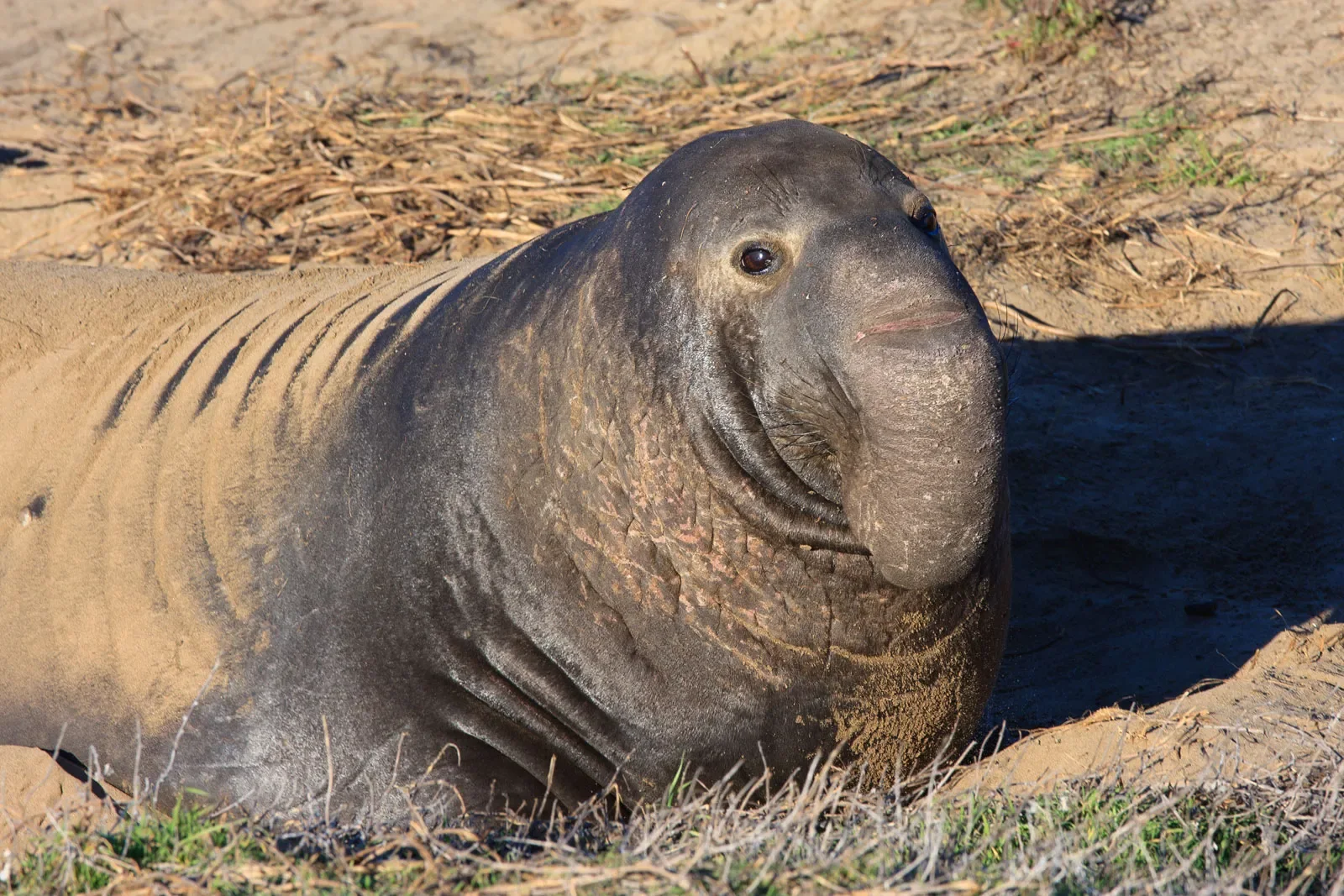
Southern elephant seals are true seals, meaning they lack external ear flaps and cannot rotate their hind flippers forward to walk. They look cumbersome on a beach but become efficient, streamlined swimmers in the ocean.
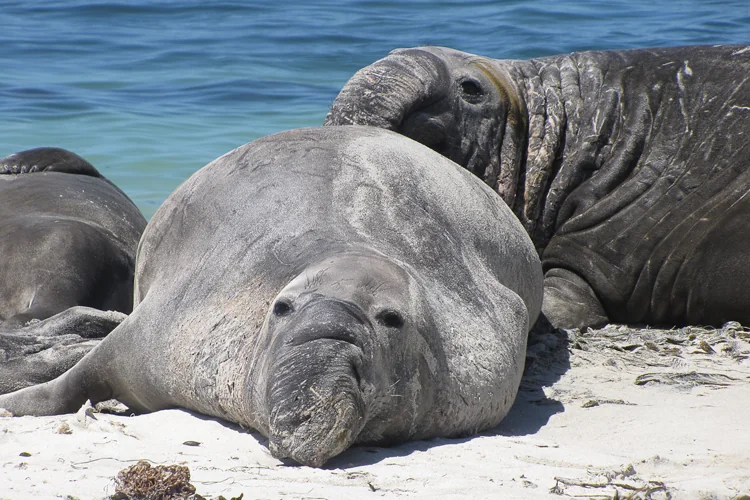
Males are several times heavier than females. This extreme size difference reflects competition at breeding colonies, where dominant bulls attempt to control access to groups of females.
Southern elephant seal biology
What does the elephant seal's nose do?
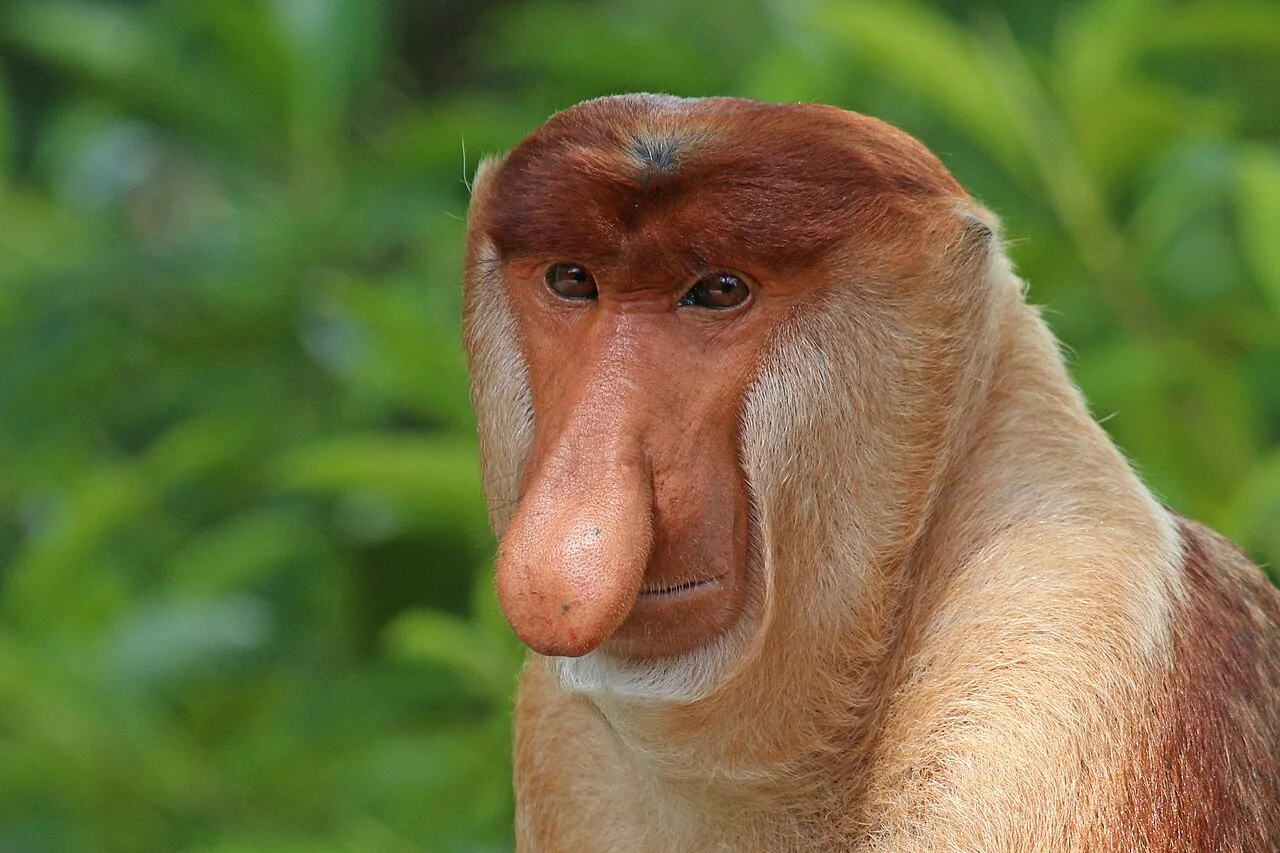
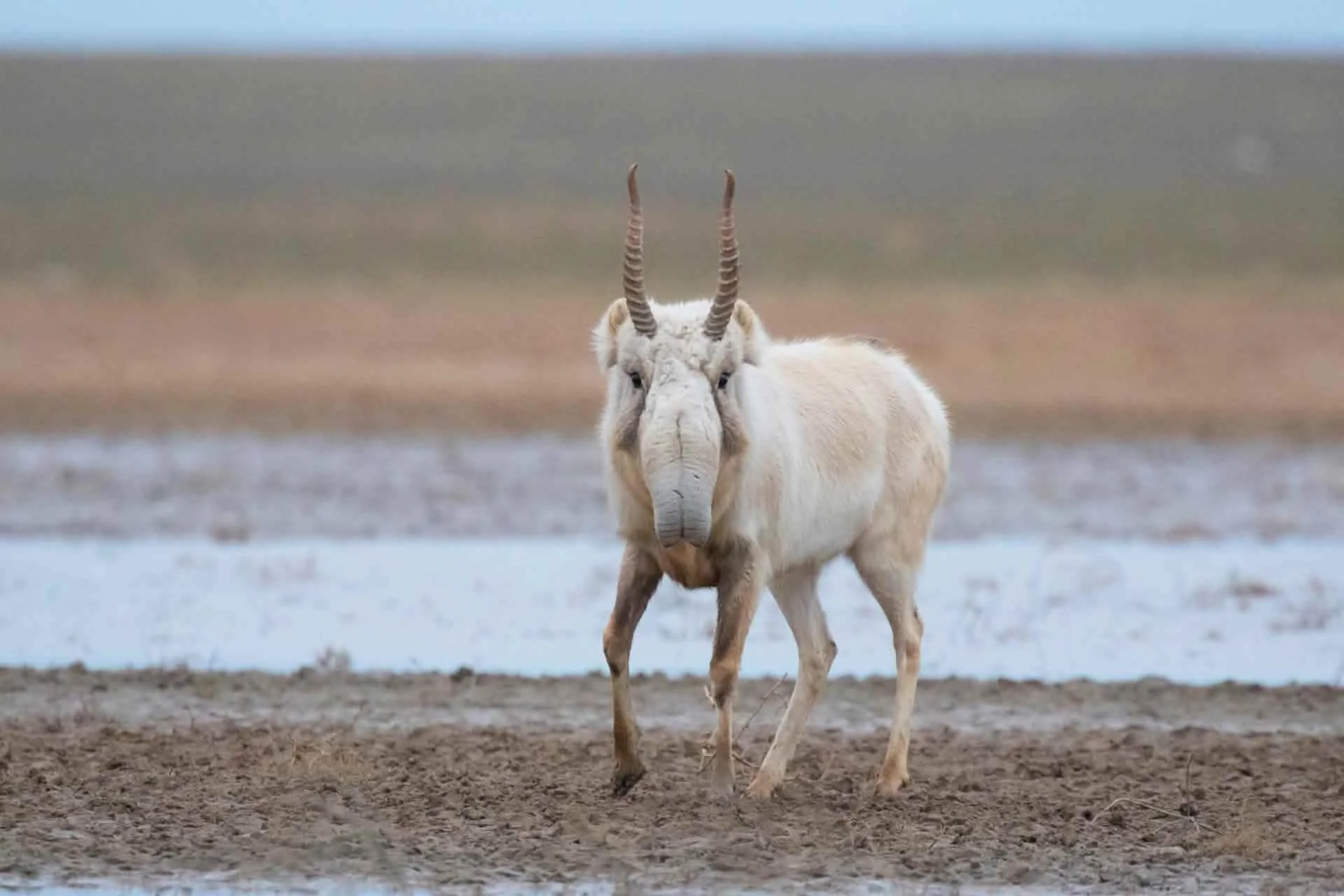
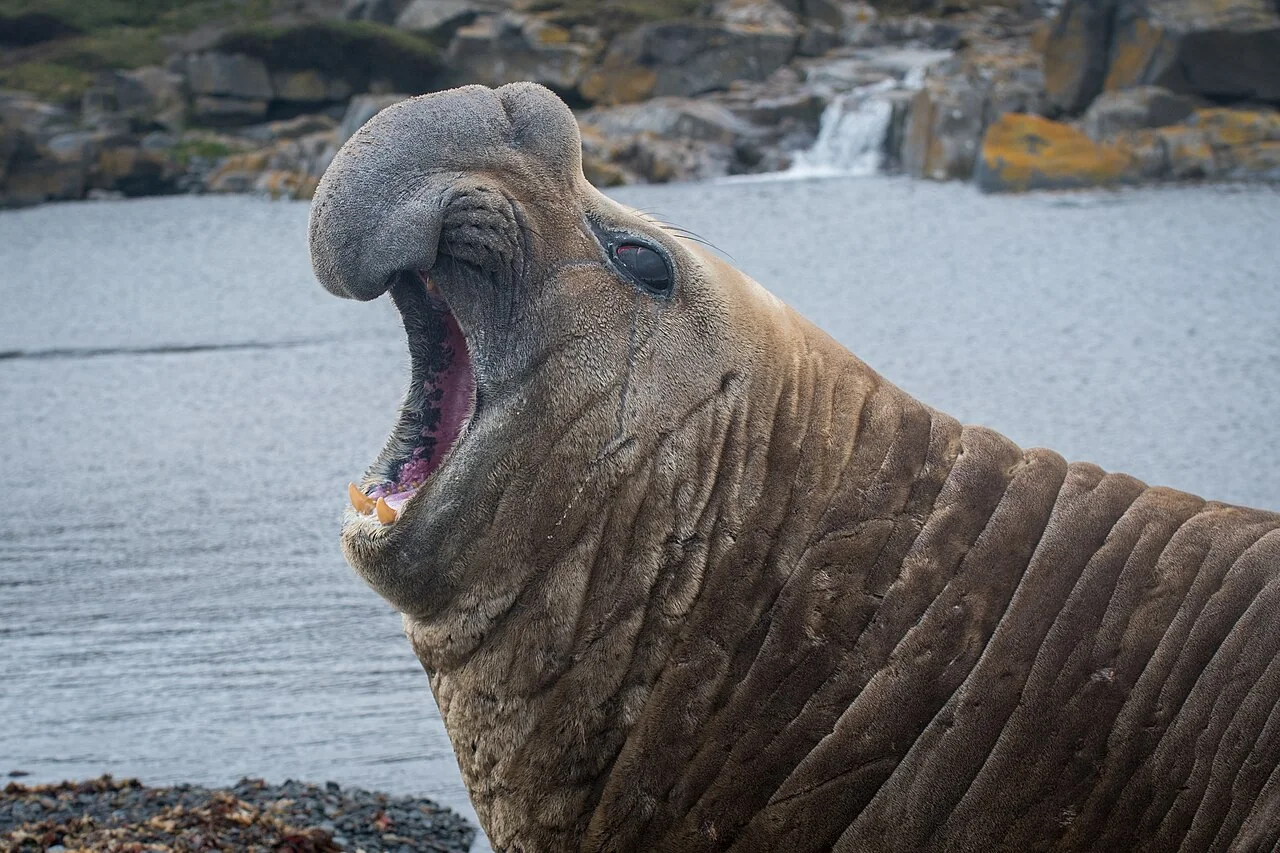
The proboscis develops in adult males and can be inflated during displays. It helps resonate the low roaring calls used in confrontations and gives the species its elephant-like common name.
The nose does not function as a grasping trunk. It is primarily a sound and display structure attached to a face that must also close tightly for long, high-pressure dives.
Southern elephant seal biology
How can southern elephant seals dive so deep?
Large blood volume, abundant haemoglobin and oxygen-storing myoglobin allow the seal to carry substantial oxygen reserves. A streamlined body and controlled heart rate help use those reserves efficiently.
Recorded dives can exceed 1,500 metres and approach two hours, although typical dives are shorter and shallower. Seals spend only brief intervals breathing at the surface before descending again.
Southern elephant seal biology
Where do southern elephant seals breed?
They breed and moult on sub-Antarctic islands and a few temperate coasts, then travel thousands of kilometres through the Southern Ocean to feed. Males and females often use different foraging zones.
Commercial sealing nearly eliminated some populations for oil. Protection allowed recovery, but regional trends differ and food availability, disease and ocean change can affect survival.
Conservation
Conservation status: Least Concern
The global population is assessed as Least Concern and many colonies recovered after sealing ended. Regional declines, food availability and emerging disease still require long-term monitoring across widely separated breeding populations.
Evidence and further reading
Southern elephant seal sources
Source 1 · Australian Antarctic Program
Elephant SealUsed for: Diving physiology, breeding, diet, distribution and status.
Source 2 · Tasmanian Department of Natural Resources
Southern Elephant SealUsed for: Body size and the acoustic function of the male proboscis.