
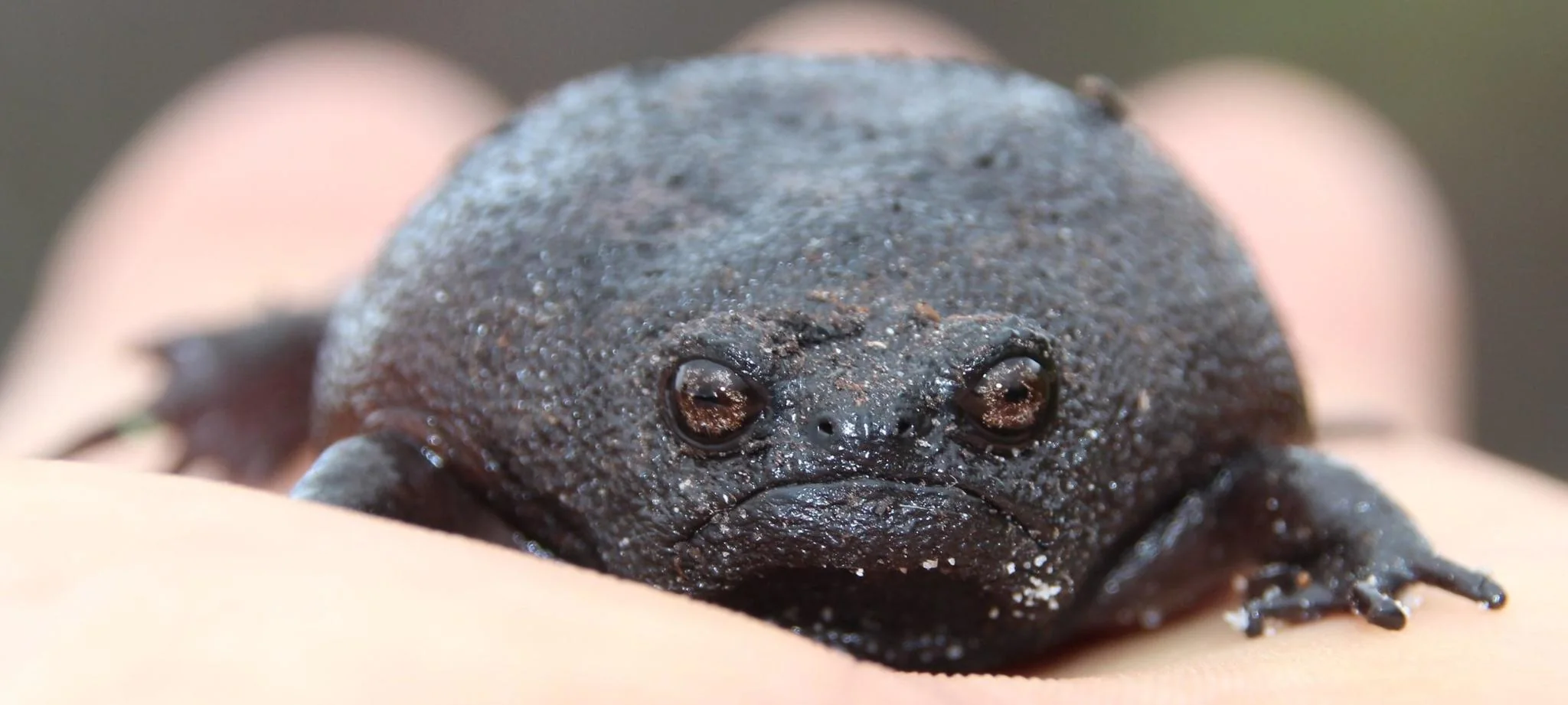
Infant-like features can draw attention
Researchers use 'baby schema' for a set of infant-like facial features such as relatively large eyes and a rounder face. An experiment with photographs of humans, dogs and cats found that stronger versions of those features affected children's cuteness ratings and where they looked. This supports a role for facial proportions, but it does not prove that every animal with a round body is universally cute.
A later review notes that the concept is used in different ways and that broad claims across species have limited evidence. We can use it to explain a possible response, not to diagnose a viewer or assign a biological purpose to a wild animal's face.
Knowledge can change the reaction
A blobfish pulled from the deep sea may first appear comical. Once the viewer understands how capture changes a soft body, the same image can evoke sympathy and curiosity. The star-nosed mole's nose can seem unsettling until its speed and sensitivity are explained.
Humour and affection can coexist with an odd first impression. Online captions often turn a frown into a personality, but an animal's facial shape should not be read as a human emotion without behavioural evidence.
There is no universal cute-or-ugly scale
People differ in experience and taste. A frog that looks adorable to one person may look alarming to another. Age, image angle and the animal's behaviour change the impression too. A species' value and conservation need do not depend on either verdict.
If an unusual face makes you look twice, follow the curiosity: identify the species, learn its habitat and ask what its visible traits actually do.