
Biology field guide
Camouflage and lures that turn stillness into a hunting tool
Some predators do not search widely for food. They become difficult to notice, wait and use a small movement or rapid strike only when prey enters range.
Animals in this guide
4 connected profiles
Fish
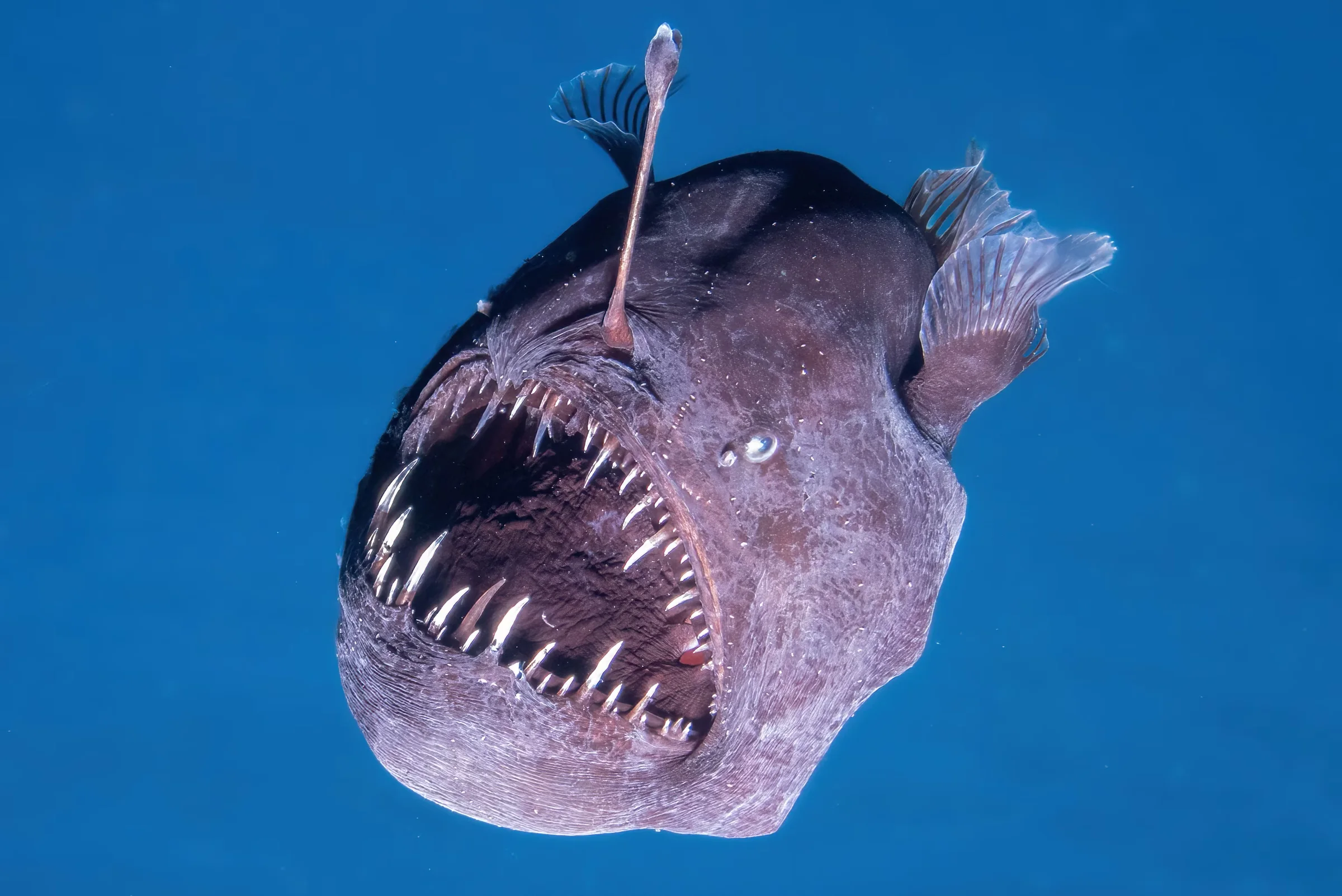
Deep-sea anglerfish
The lure is a modified dorsal-fin spine. In many deep-sea species its light is produced with help from symbiotic bacteria, but anglerfish biology varies across families.
Read profile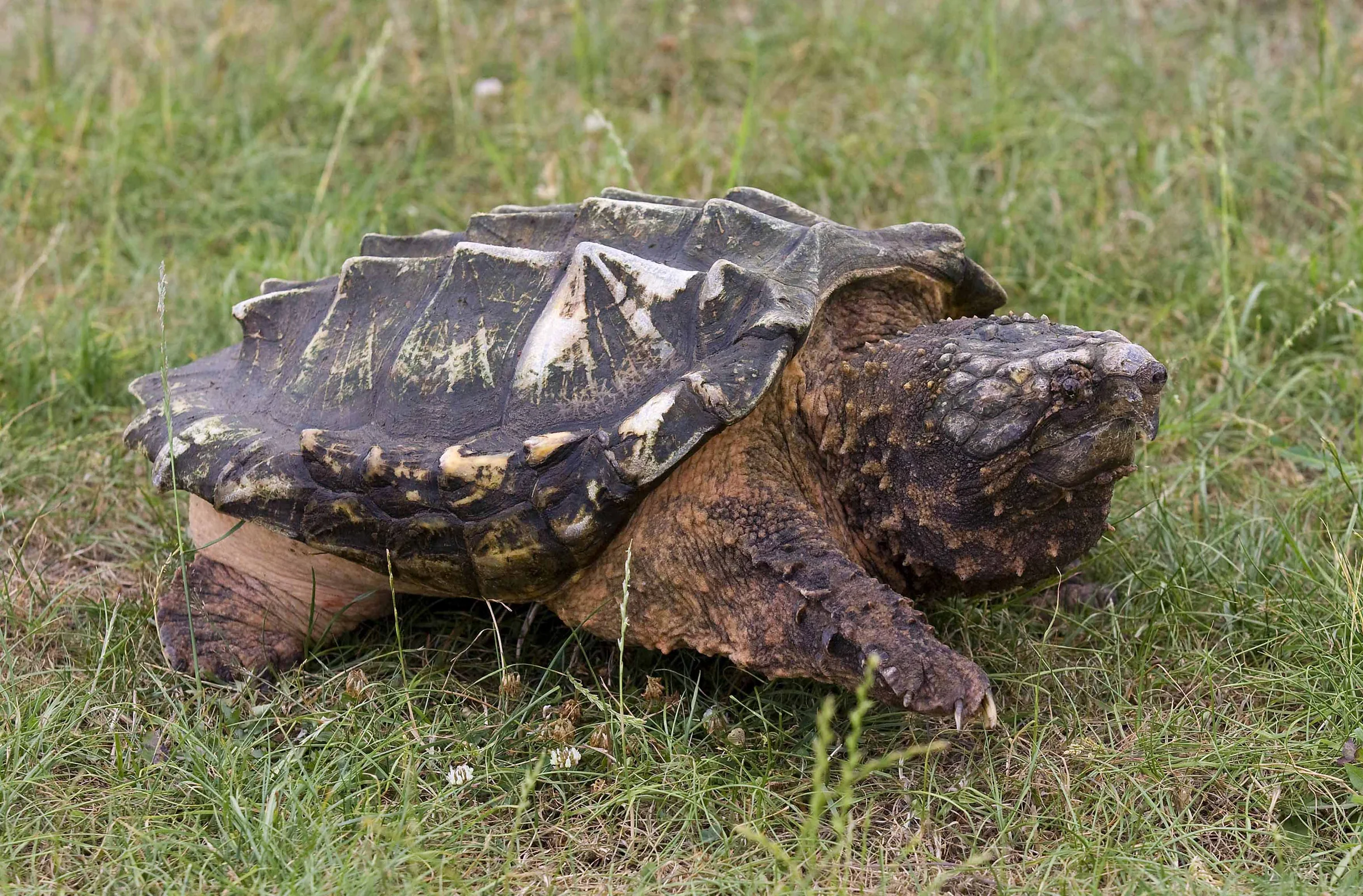
Reptile
Alligator snapping turtle
The pink tongue tip resembles a small worm. A motionless turtle can open its mouth and move the lure to bring curious prey within striking distance.
Read profile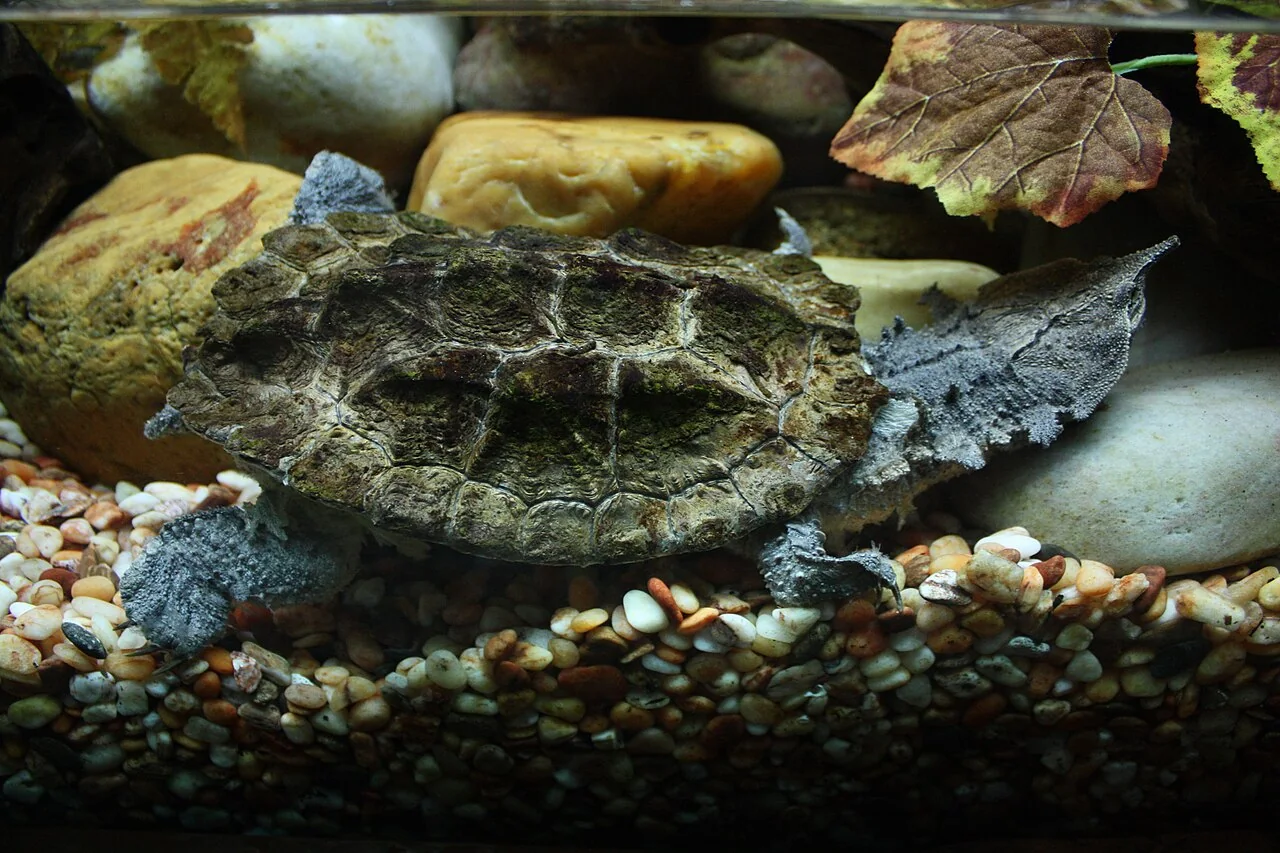
Reptile
Mata mata turtle
Fringes and ridges blur the turtle's outline. When prey comes close, the mouth opens rapidly and draws in water and the animal together.
Read profile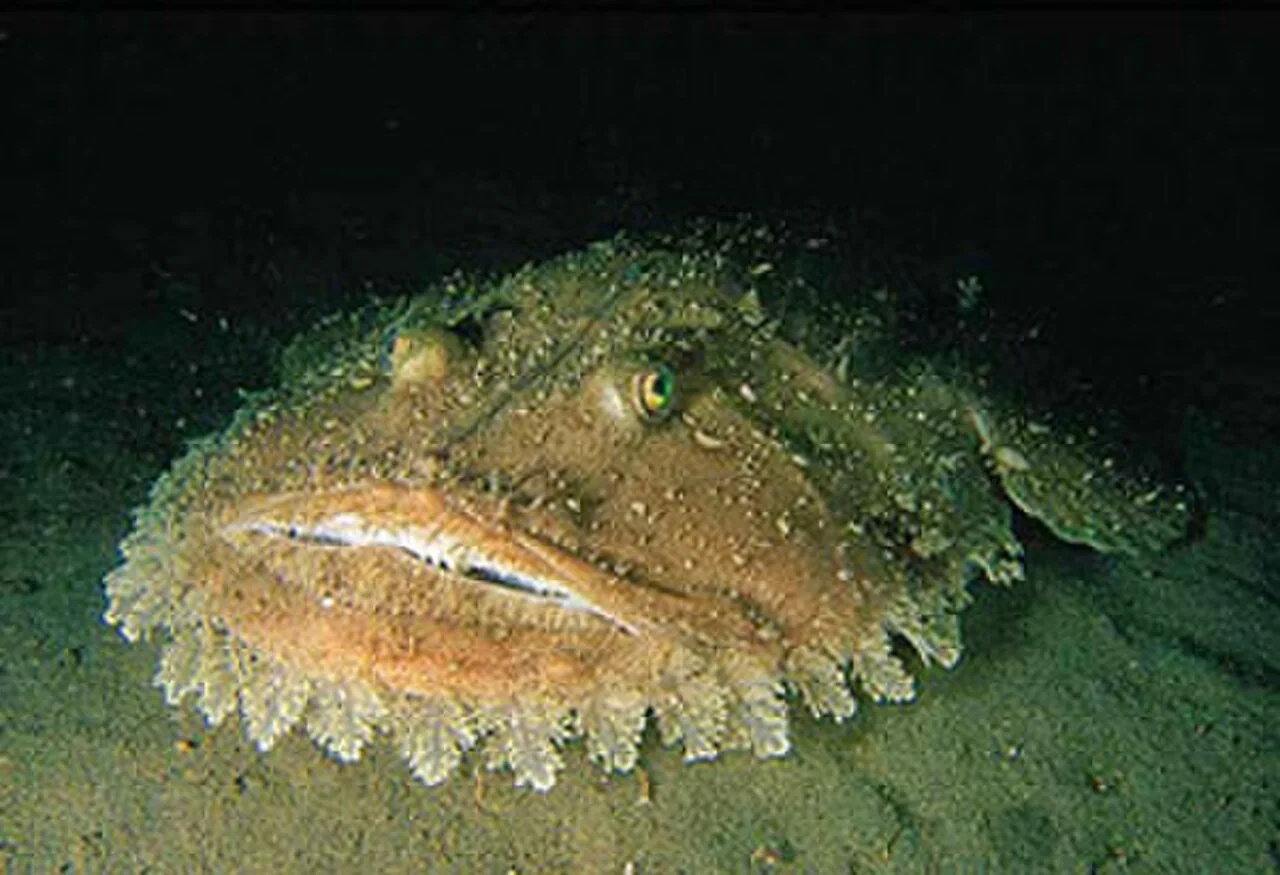
Fish
Monkfish
The first dorsal spine ends in a fleshy lure. Small movements attract attention while mottled skin and fringes conceal the waiting predator.
Read profile01
How does body texture hide an ambush predator?
Mata mata turtles have ridges and fringes that blur the outline among leaf litter. Monkfish combine a flattened body, mottled colour and skin fringes with life on the seabed.
Camouflage is not a costume chosen consciously. Body shape, colour, posture and habitat background work together to make detection more difficult.
02
Why use a lure instead of chasing?
An alligator snapping turtle moves a tongue tip that resembles a small worm. Anglerfish and monkfish use a modified dorsal-fin spine near the mouth.
The lure creates attention at the precise point where the predator can strike. This strategy is especially useful when speed is costly, visibility is poor or prey encounters are infrequent.
03
Why must camouflage match behaviour as well as background?
Colour and texture help only if the animal uses them in the right place. A mata mata rests among submerged debris, while a monkfish flattens against the seabed. Stillness prevents movement from revealing an otherwise concealed outline.
Camouflage is judged by the visual system of another animal, not by a human photograph alone. Contrast, light, viewing distance and water conditions can change what predator or prey detects.
04
How do concealment, attraction and the strike work together?
An ambush begins before the lure moves. The predator selects a position, remains difficult to detect and waits until prey is close enough for a short strike or suction event.
The lure does not hypnotise prey and it does not guarantee a meal. It creates an opportunity. Timing, prey behaviour and the predator's final movement still determine whether the attack succeeds.
Continue exploring
Compare this guide with the wider collection.