Definition and identity
What is a monkfish?
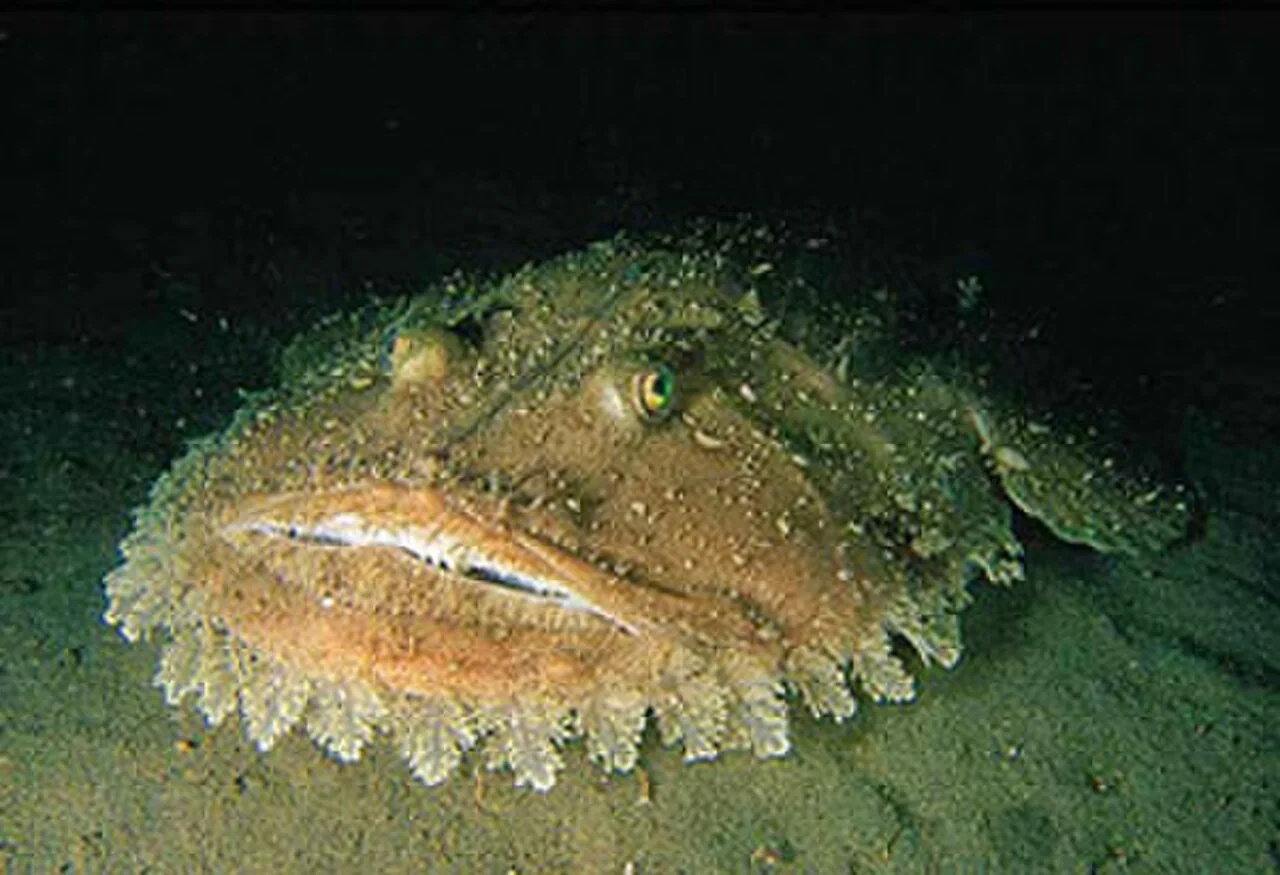
The name monkfish can refer to several species and even to unrelated angelsharks in some places. This profile concerns Lophius piscatorius, the white anglerfish commonly landed in European fisheries.
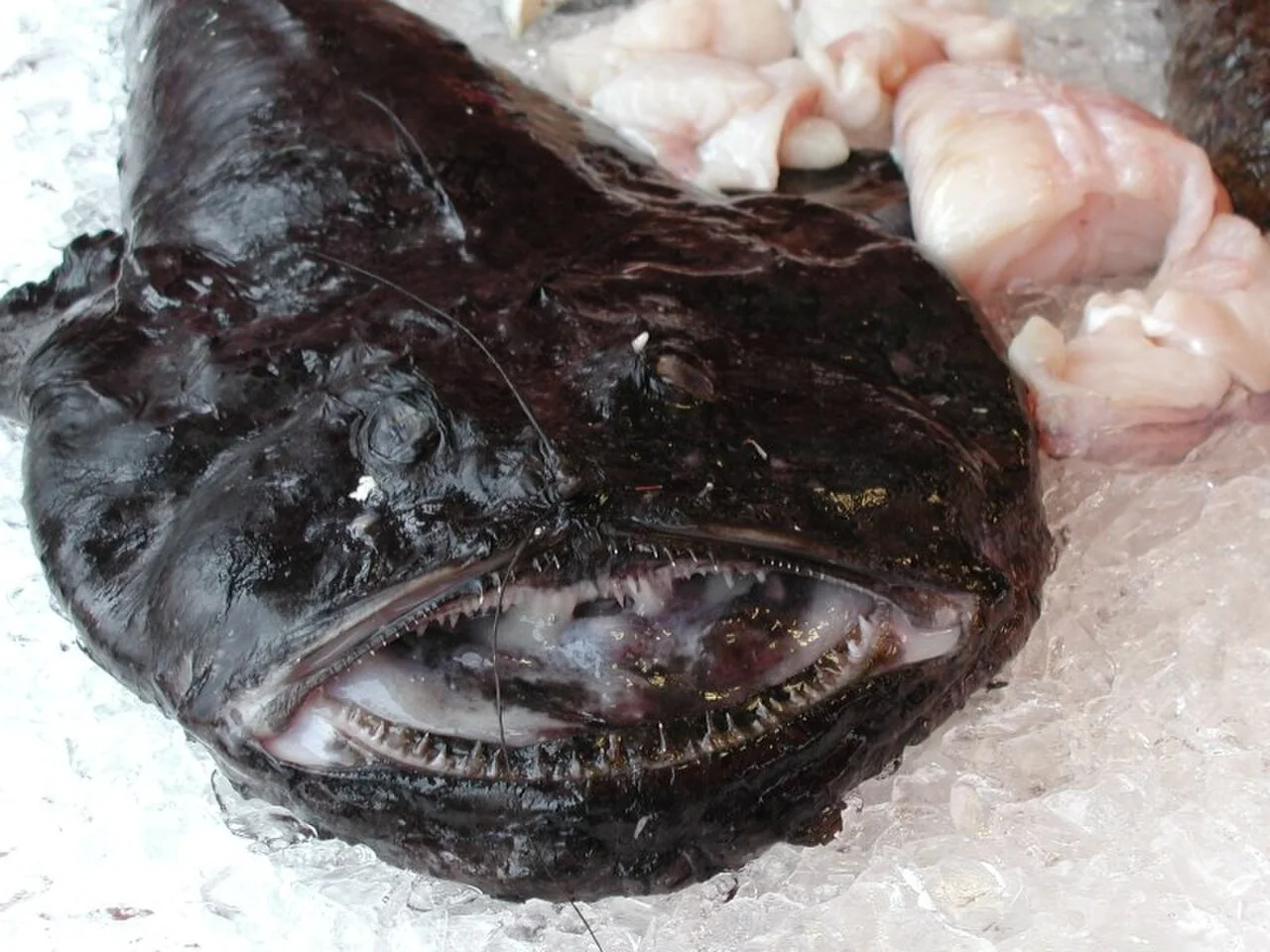
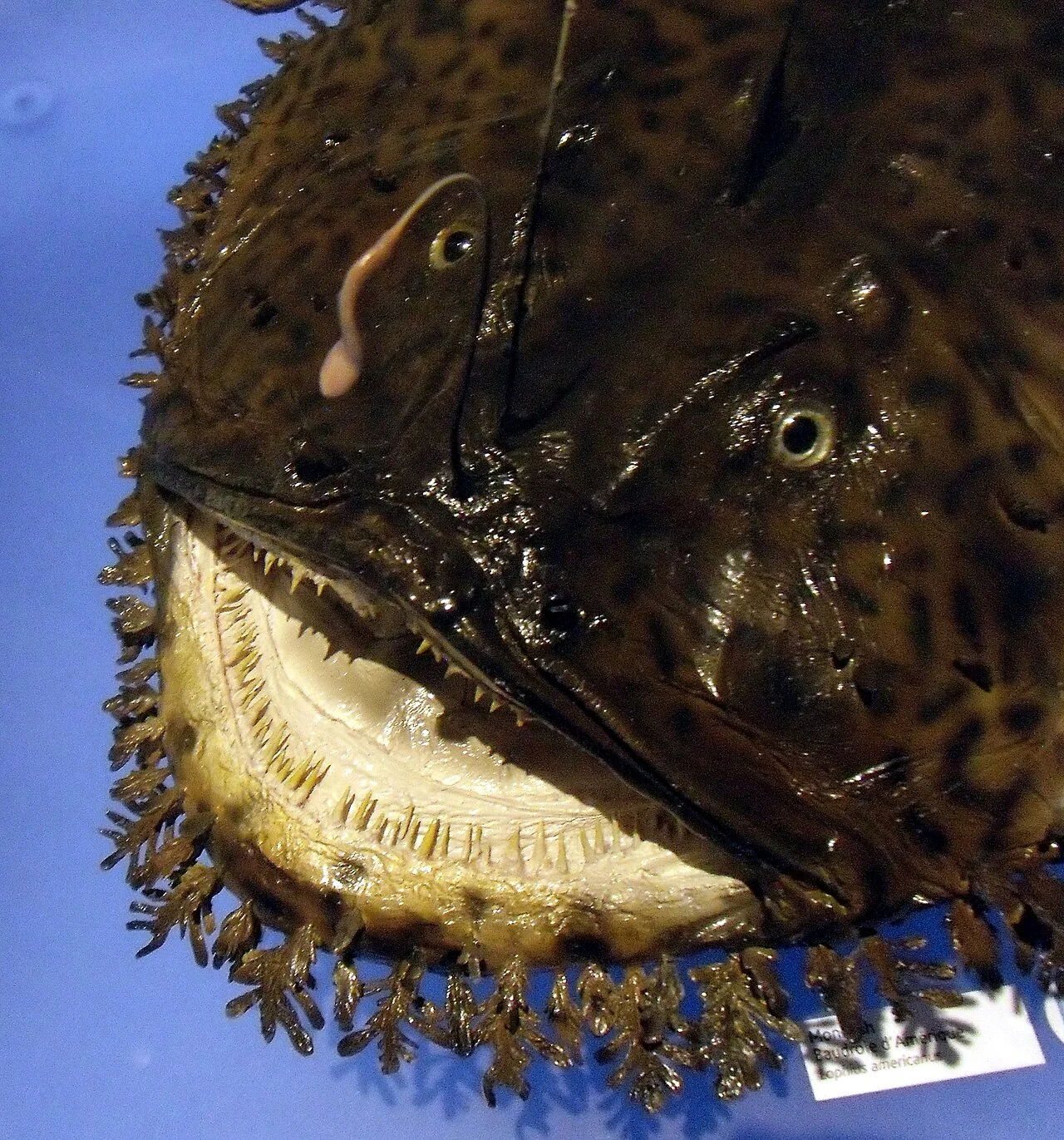
Its head and body are compressed from top to bottom, with a huge forward-facing mouth. Loose scaleless skin and fringed flaps break up the body edge against sand, gravel or mud.
Monkfish biology
How does the monkfish lure prey?
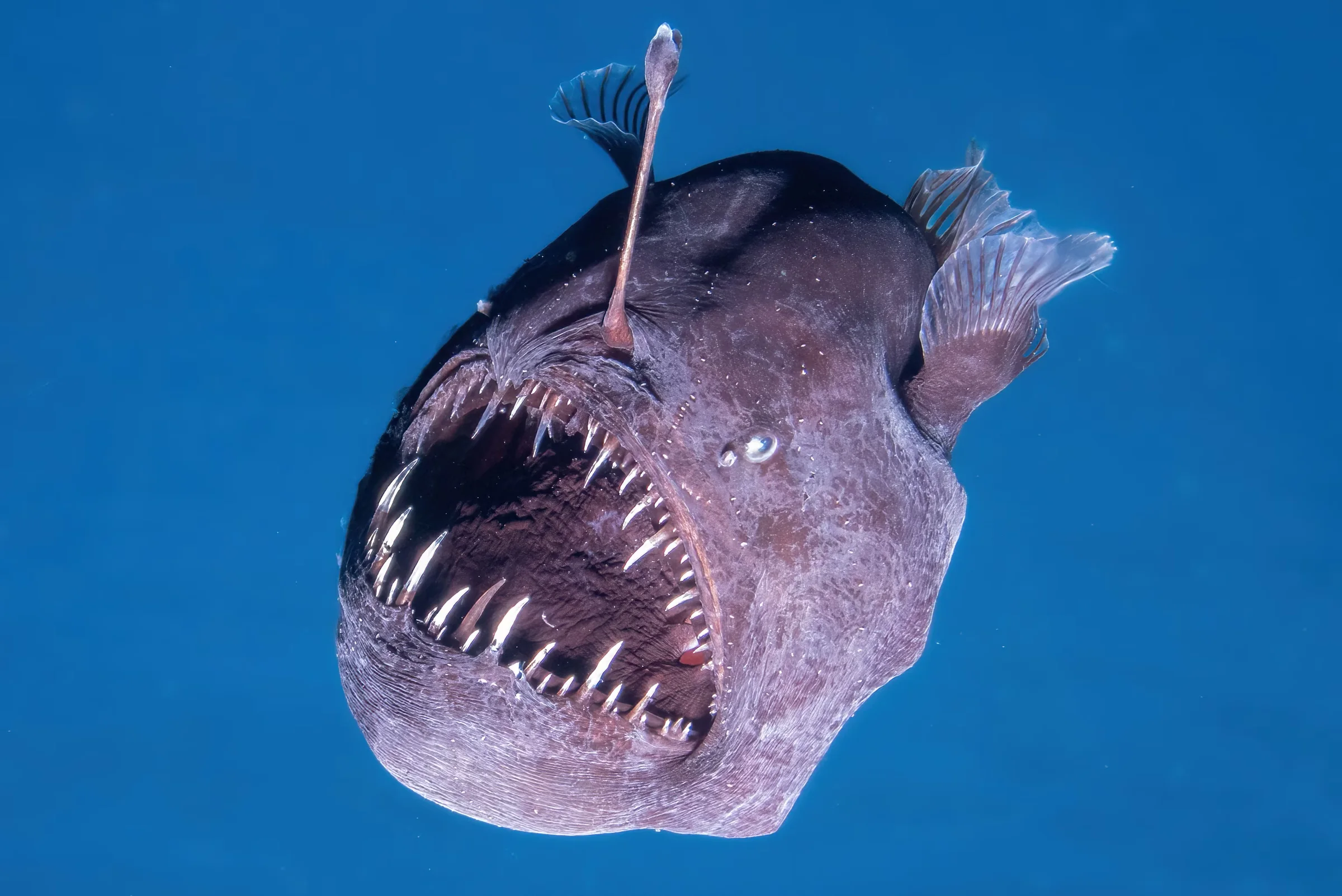
The first dorsal-fin spine has become a movable fishing rod tipped with a fleshy structure. The fish can twitch it above the mouth while the rest of the body remains buried or still.
When prey approaches, the mouth opens rapidly and draws the animal inward. Backward-pointing teeth make escape difficult, allowing the monkfish to tackle prey that appears large for its body.
Monkfish biology
Where does Lophius piscatorius live?
The species ranges from the Barents Sea and Iceland south toward the Mediterranean, Black Sea and north-west African coast. FishBase records it from roughly 20 to 1,000 metres.
It occurs mainly on sandy and muddy bottoms but can also use gravel, shell and rock. Camouflage changes with the background, which is why the same species can appear in several brown and green patterns.
Monkfish biology
Is monkfish fishing sustainable?
There is no useful one-word answer for every monkfish sold. European landings can mix Lophius piscatorius with black-bellied anglerfish, and each management area has its own stock assessment and advice.
Consumers and writers should identify the species, catch area and current stock guidance. A global species description cannot substitute for regional fisheries evidence.
Conservation
Conservation status: Managed by regional stocks
Lophius piscatorius is commercially important and monitored through regional stock assessments. Status and fishing pressure differ by management area, while mixed landings with Lophius budegassa can reduce species-level clarity.
Evidence and further reading
Monkfish sources
Source 1 · FishBase
Lophius piscatoriusUsed for: Taxonomy, distribution, depth, anatomy and habitat.
Source 2 · Marine Life Information Network
Angler FishUsed for: Camouflage, lure, feeding and British distribution.
Source 3 · UK Marine Environmental Data Network
Species-Specific Monkfish RecordingUsed for: Mixed-species landings and stock-assessment limitations.