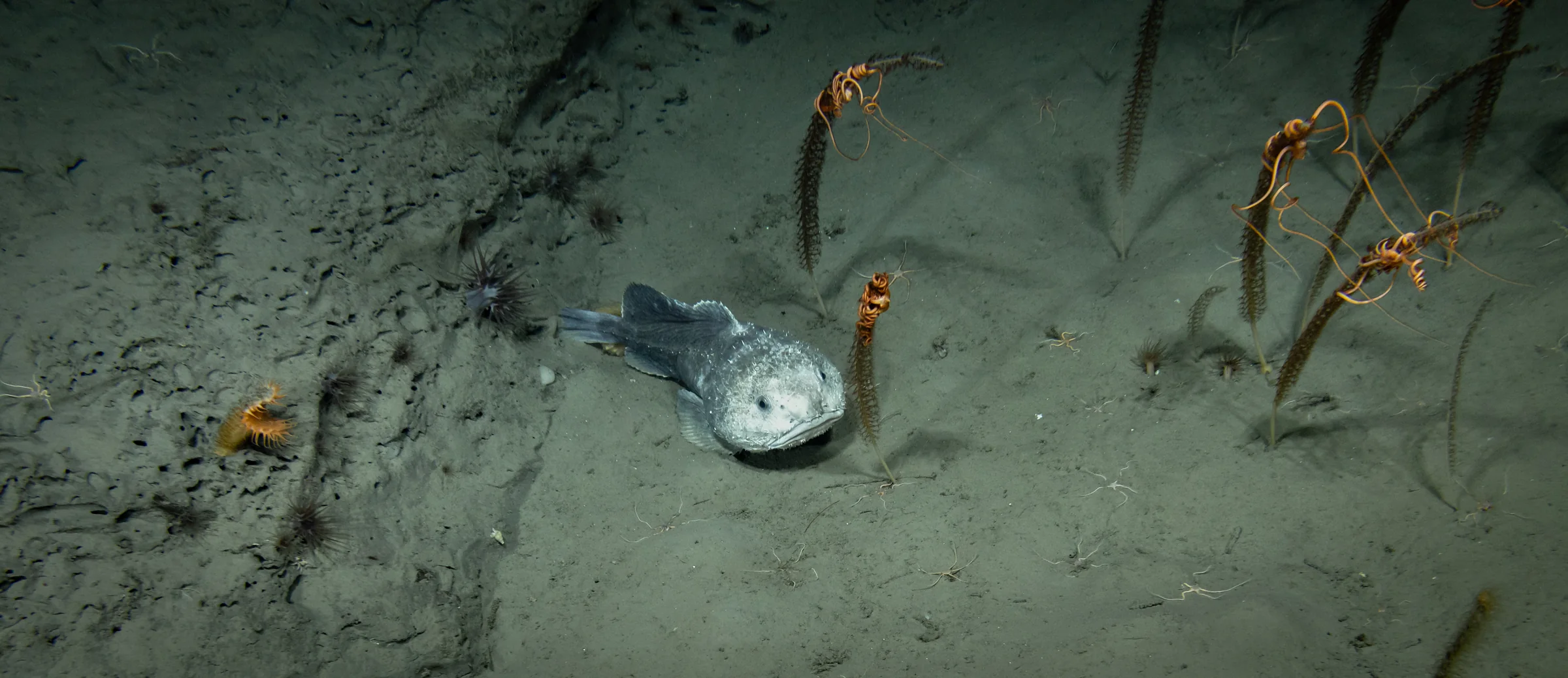
 01Fish
Psychrolutes species
Blobfish
Its soft deep-sea body can lose its shape after capture and rapid decompression.
Read Blobfish profile
The complete collection
Browse the complete list by animal group, then open any profile for facts about the feature that stands out, the job it may perform and the habitat where it makes sense.
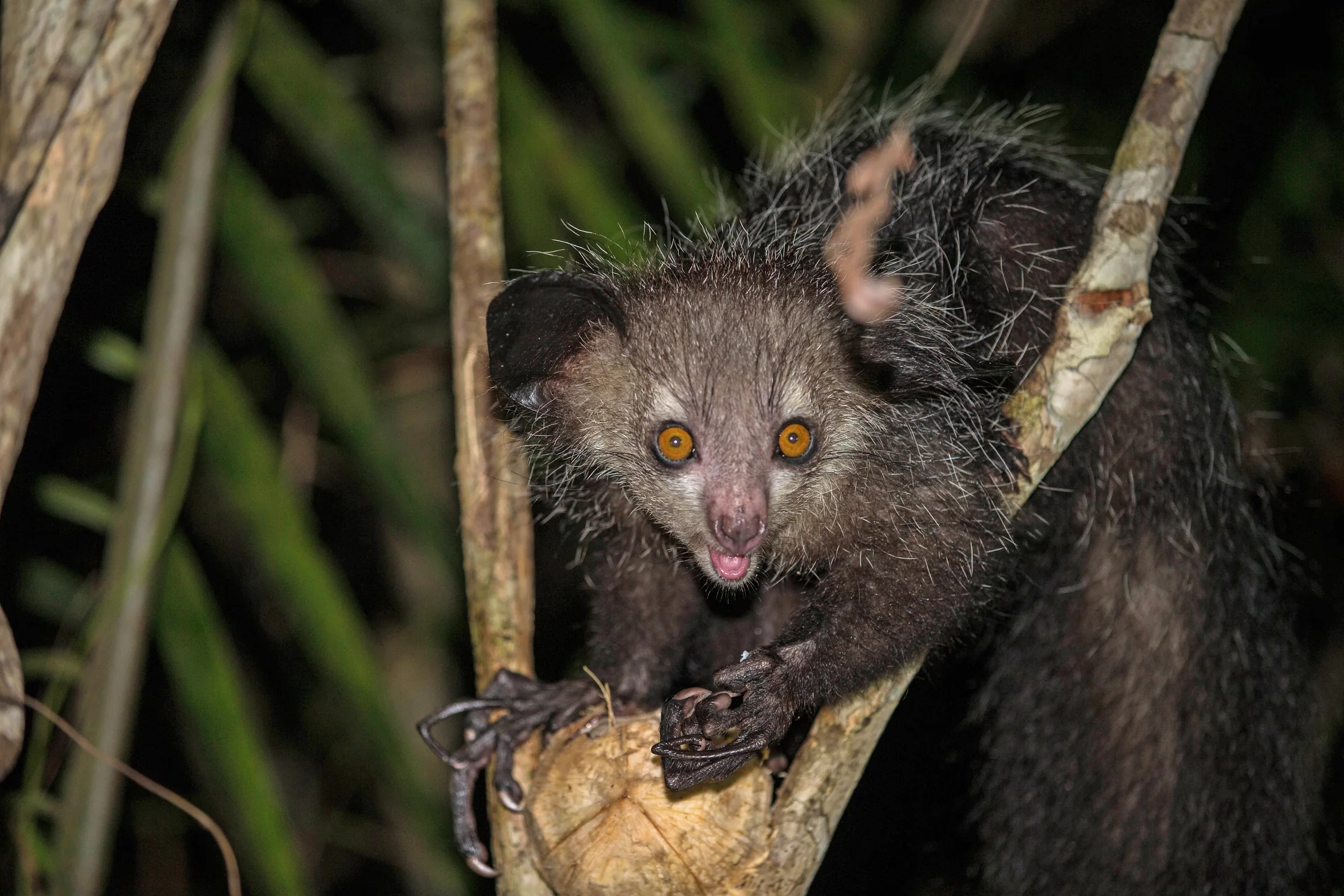
Look past the first reaction
An unusual face often combines several useful traits. The aye-aye listens, gnaws and probes to reach food hidden inside wood.
Browse by animal group
About this list
There is no scientific category or objective ranking of ugly animals. This collection brings together species that people often describe as strange or unattractive because of a noticeable face, body shape, skin texture or proportion.
Each animal is included because the feature behind that reaction leads to a useful biological question. The list explains what the feature may do, where the animal lives and why appearance alone can be misleading.
All 24 animals
Each complete profile identifies the animal precisely, explains what its unusual features do and places those features in the habitat where they make sense.
01FishPsychrolutes species
Its soft deep-sea body can lose its shape after capture and rapid decompression.
Read Blobfish profile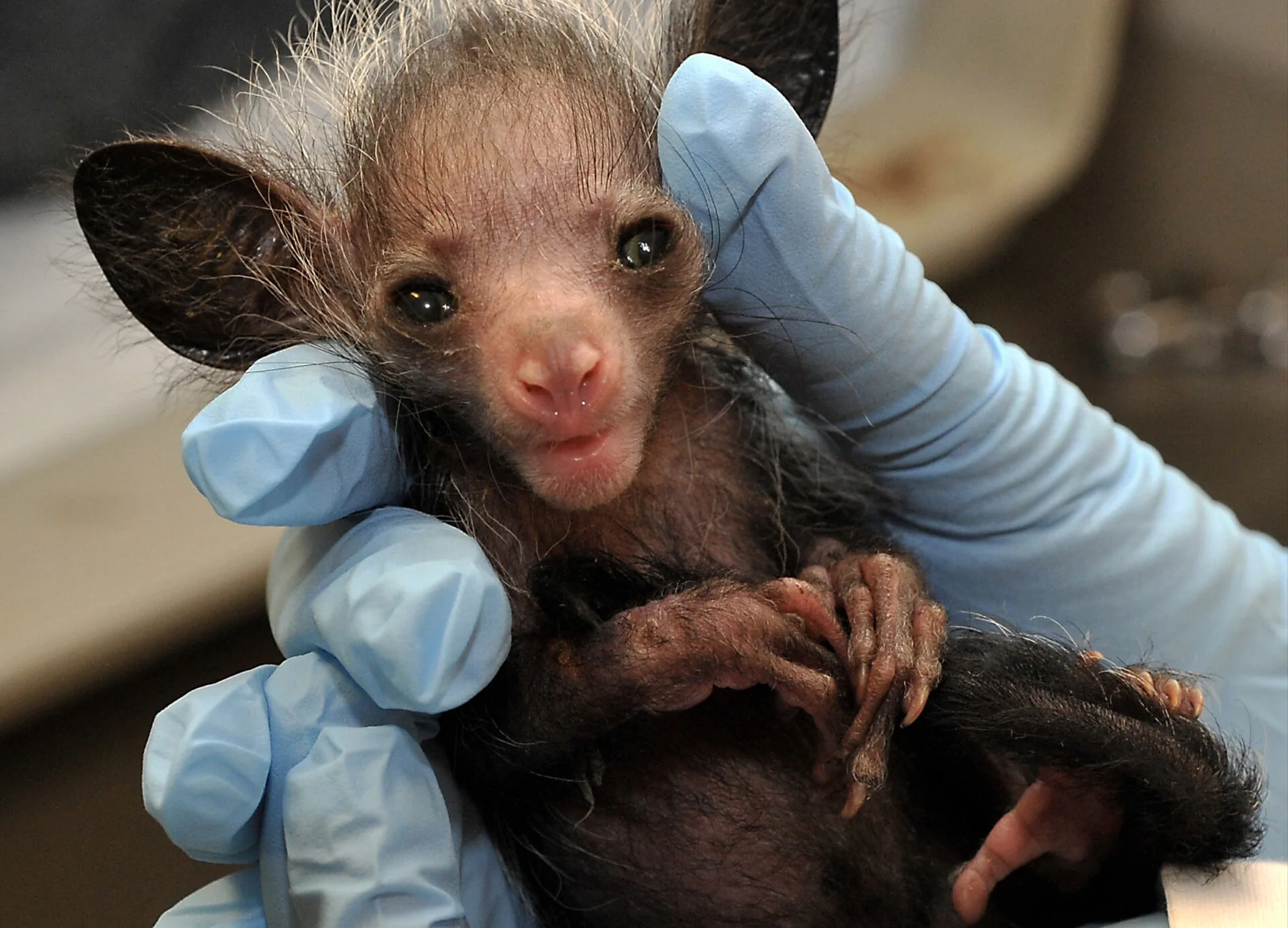 02Mammal
Daubentonia madagascariensis
Large ears, growing incisors and a thin middle finger help it find food inside wood.
Read Aye-aye profile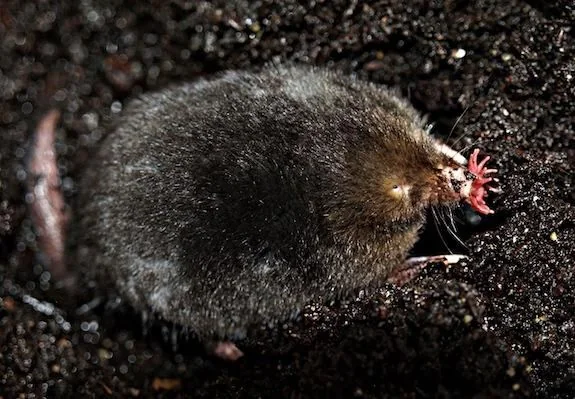 03Mammal
Condylura cristata
Twenty-two fleshy rays turn its nose into an exceptionally sensitive touch organ.
Read Star-nosed mole profile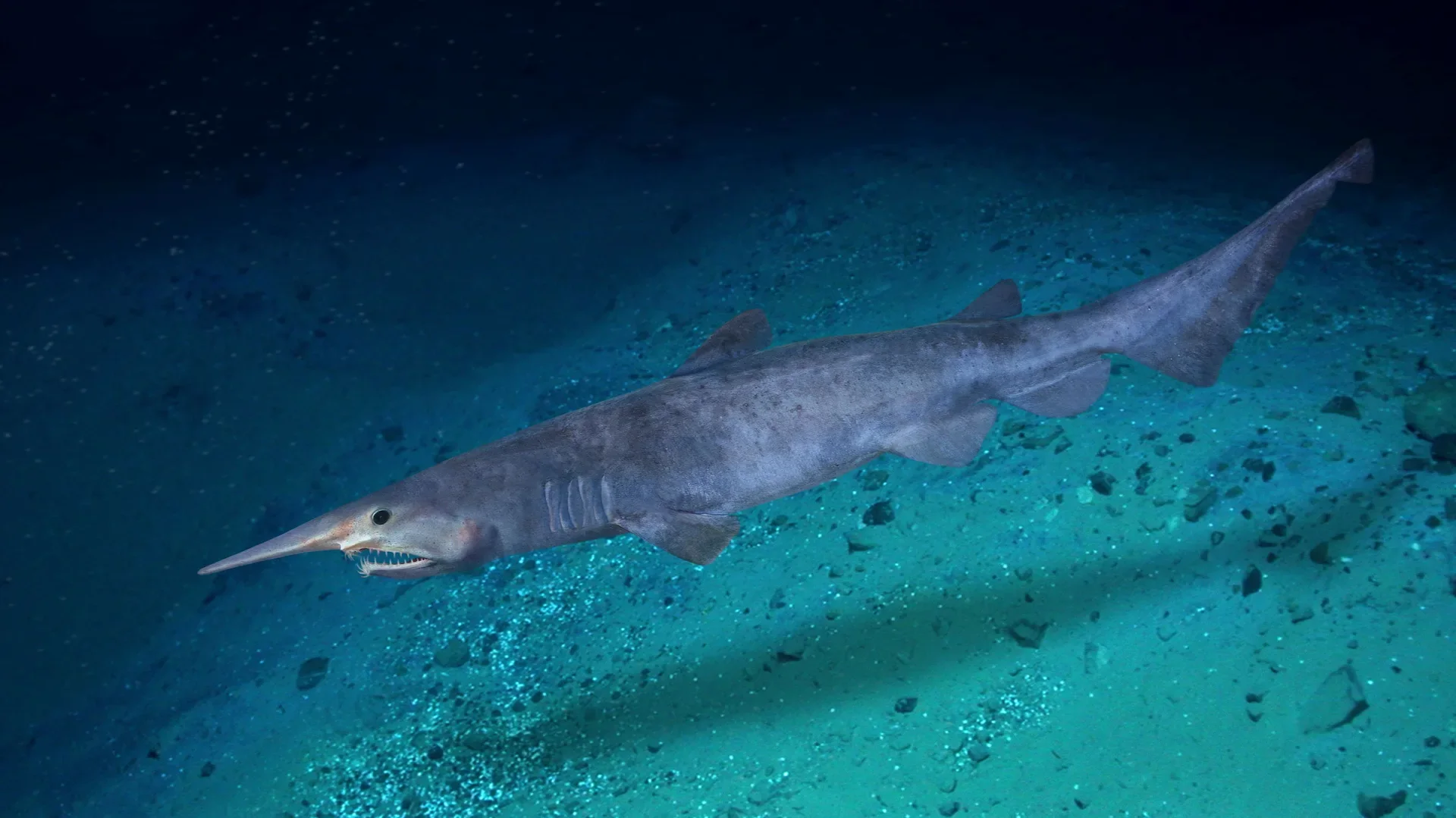 04Fish
Mitsukurina owstoni
A long snout senses prey, while rapidly extending jaws bring that prey into the mouth.
Read Goblin shark profile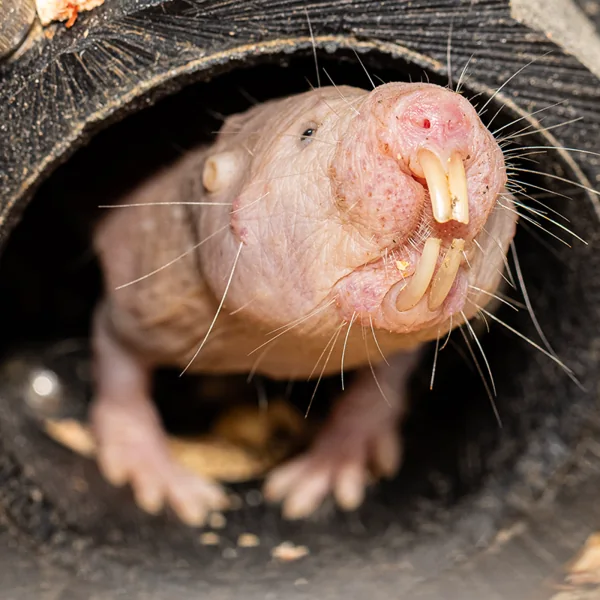 05Mammal
Heterocephalus glaber
Sparse hair, loose skin and front teeth that close outside the lips suit life in tunnels.
Read Naked mole-rat profile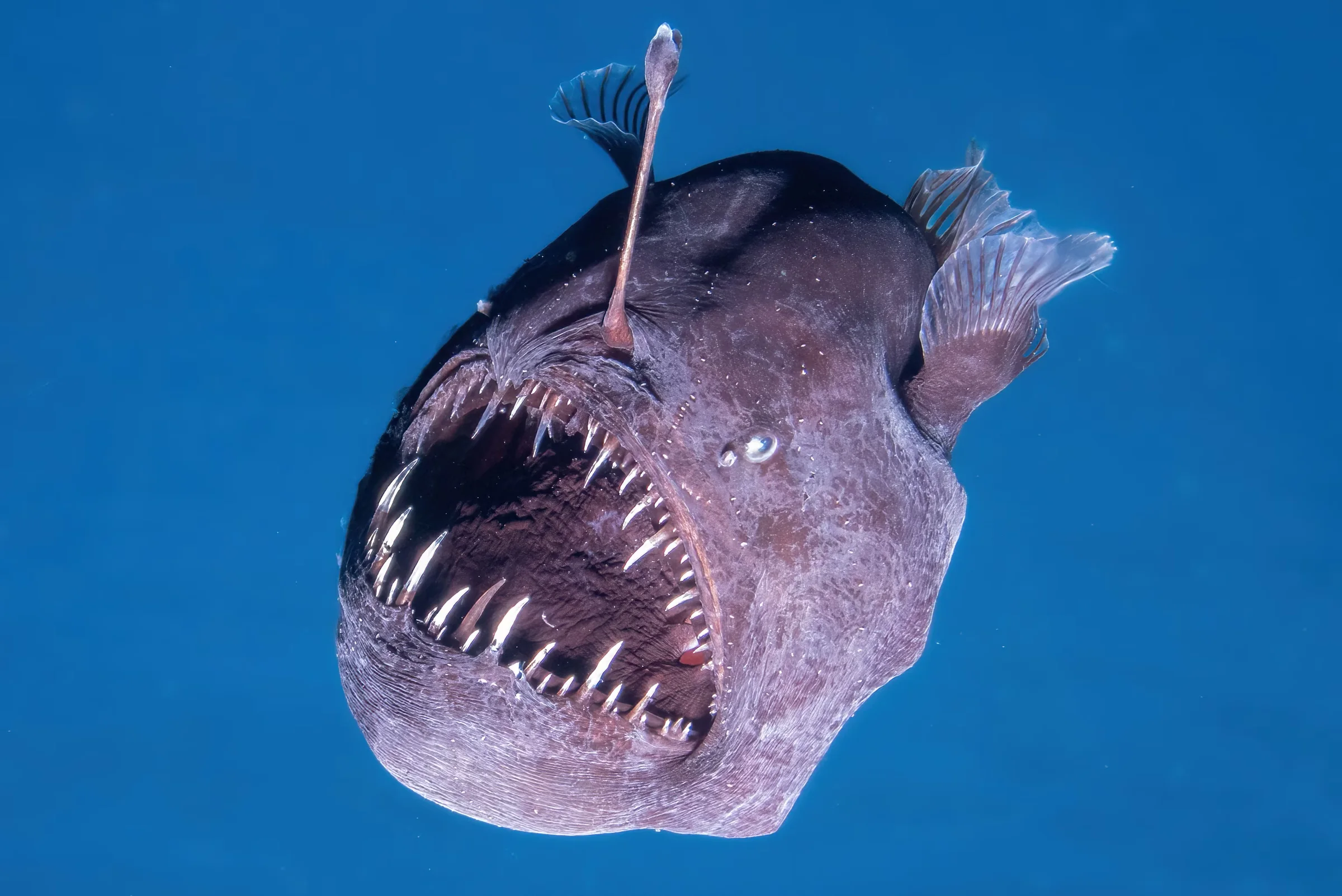 06Fish
Ceratioidei
A luminous lure and a large mouth help it find and seize scarce prey in darkness.
Read Deep-sea anglerfish profile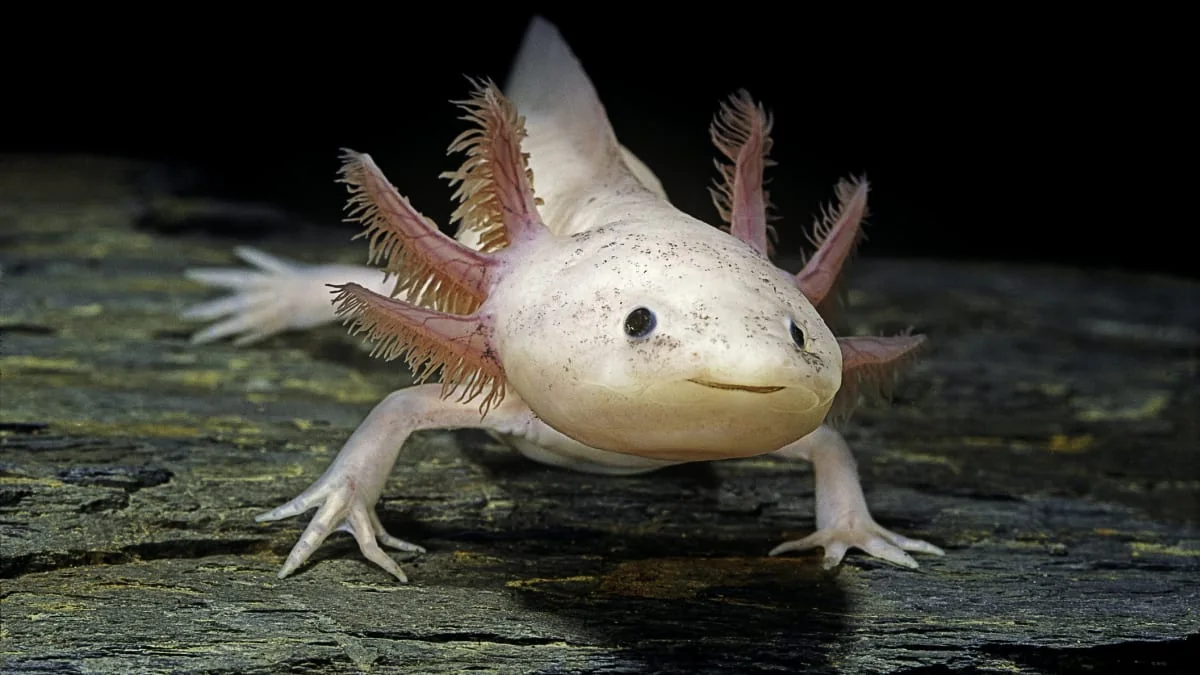 07Amphibian
Ambystoma mexicanum
It normally keeps its larval form as an adult, including its feathery external gills.
Read Axolotl profile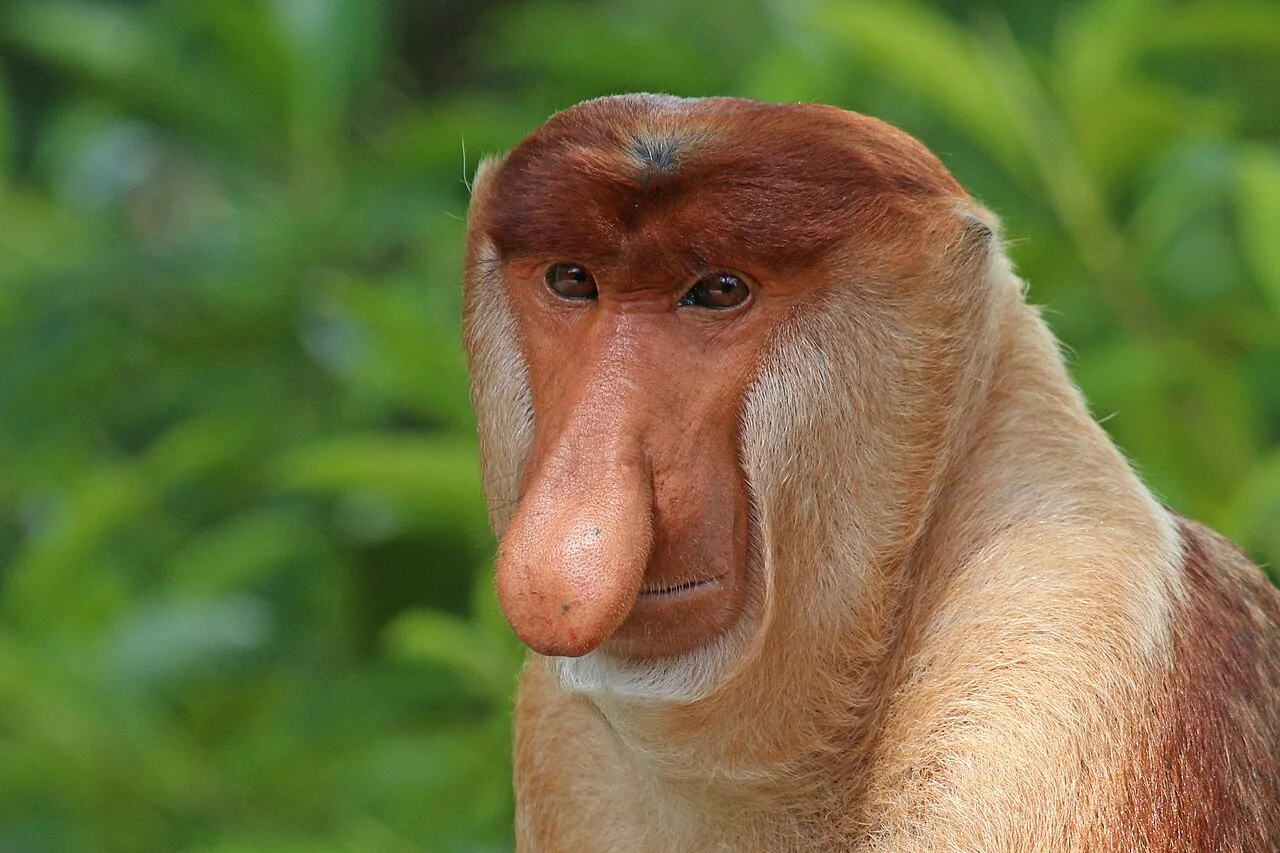 08Mammal
Nasalis larvatus
The adult male's enlarged nose is part of the species' visual and vocal signalling.
Read Proboscis monkey profile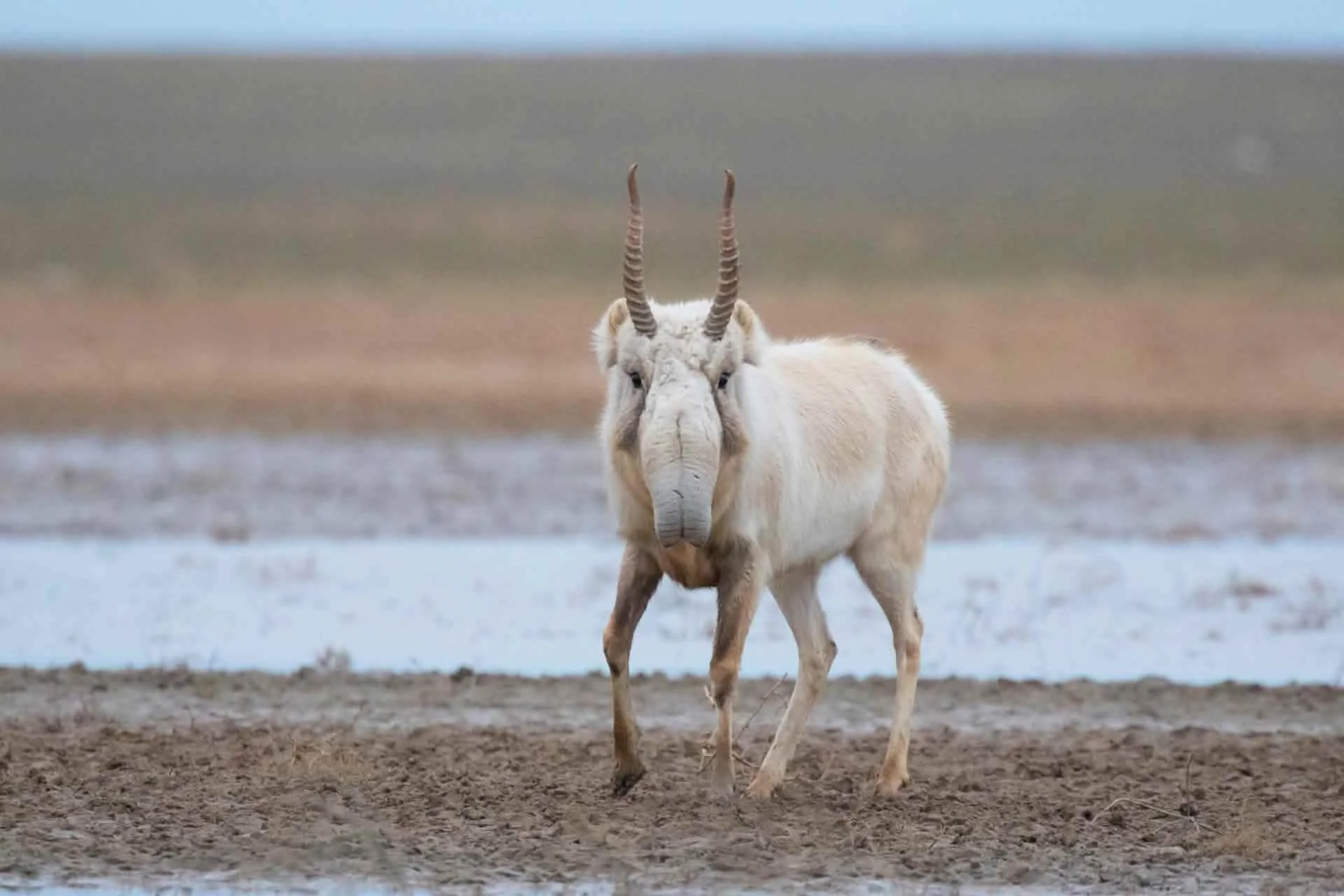 09Mammal
Saiga tatarica
Its enlarged nose helps condition cold air and filter dust across the open steppe.
Read Saiga antelope profile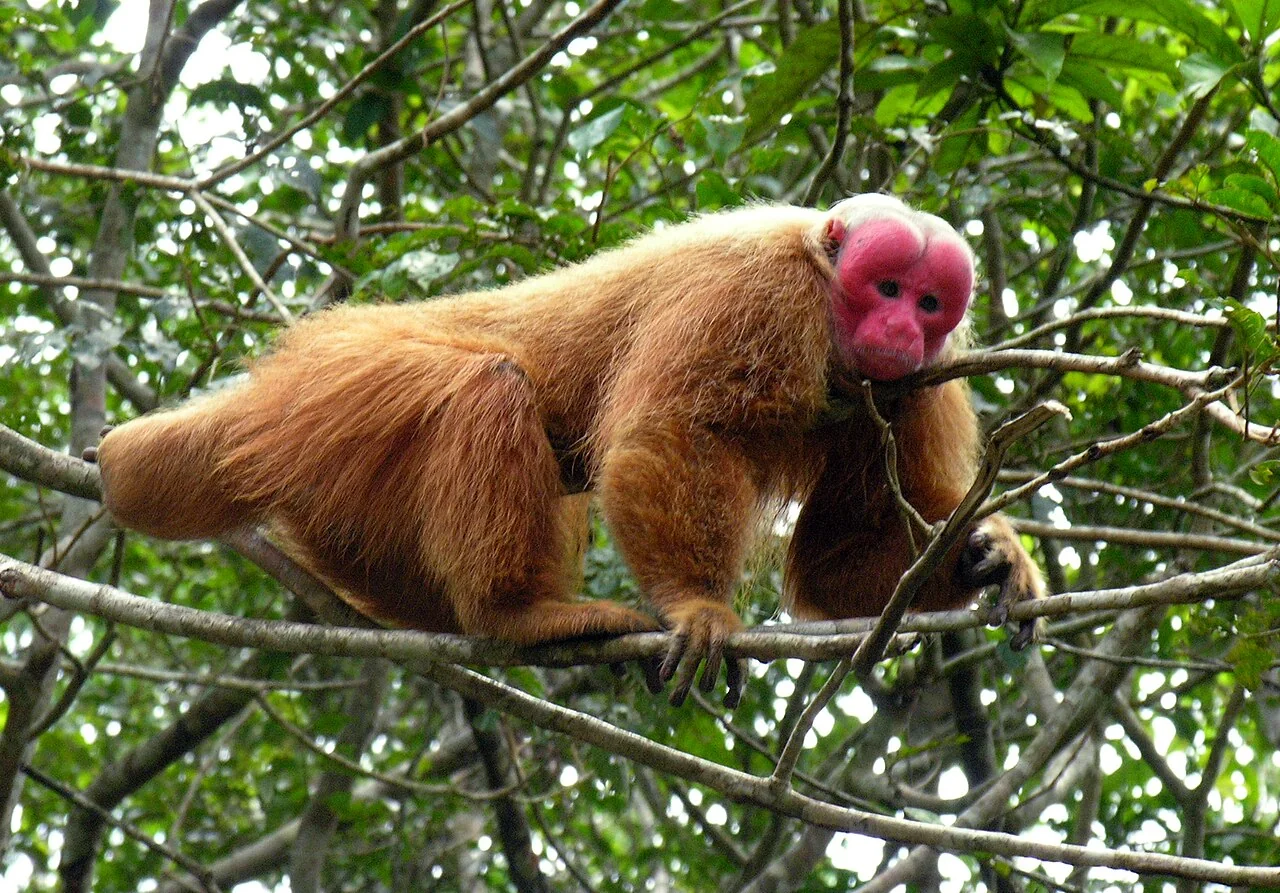 10Mammal
Cacajao calvus
A bare, richly supplied face produces the vivid red colour used in social assessment.
Read Bald uakari profile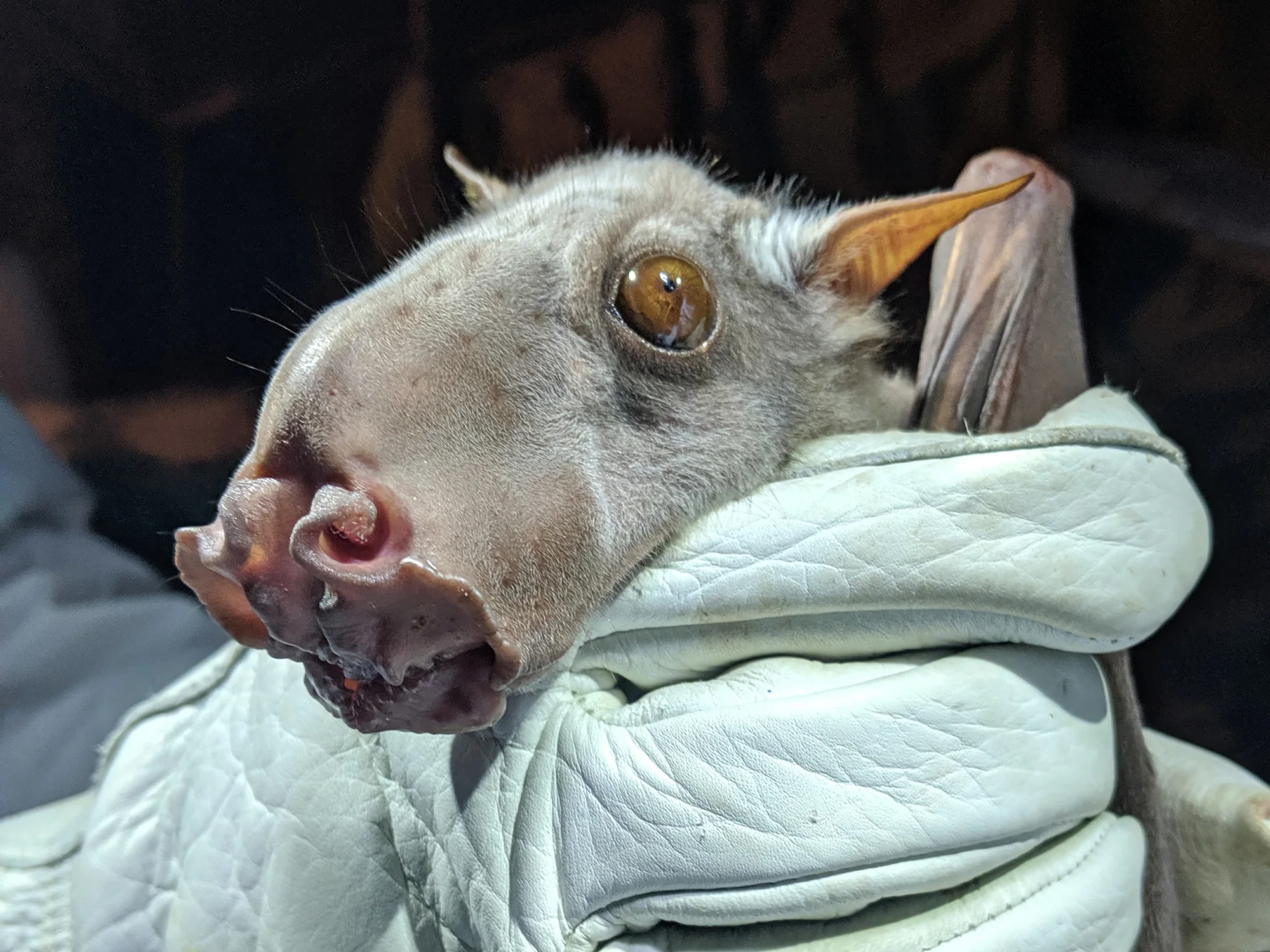 11Mammal
Hypsignathus monstrosus
The male's broad muzzle and enlarged voice box help produce resonant courtship calls.
Read Hammer-headed bat profile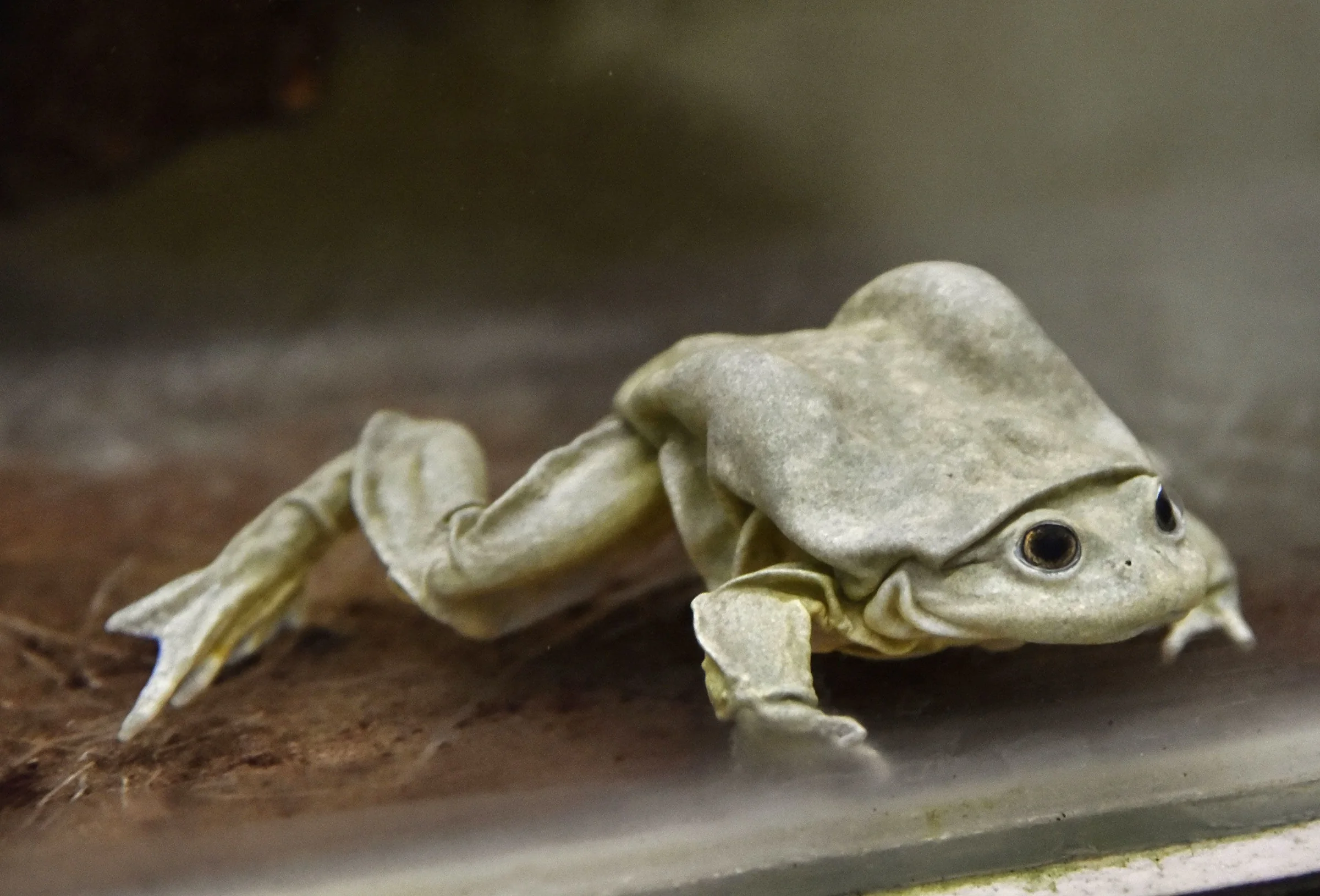 12Amphibian
Telmatobius culeus
Loose skin folds increase the surface available for gas exchange in cold, high-altitude water.
Read Titicaca water frog profile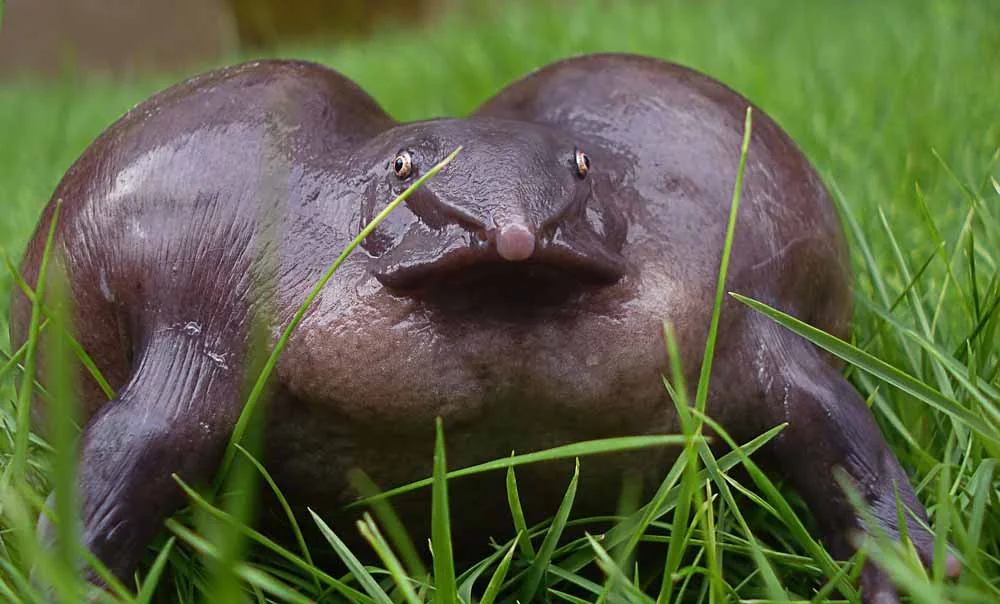 13Amphibian
Nasikabatrachus sahyadrensis
A compact body, strong limbs and pointed snout fit a life spent mostly underground.
Read Purple frog profile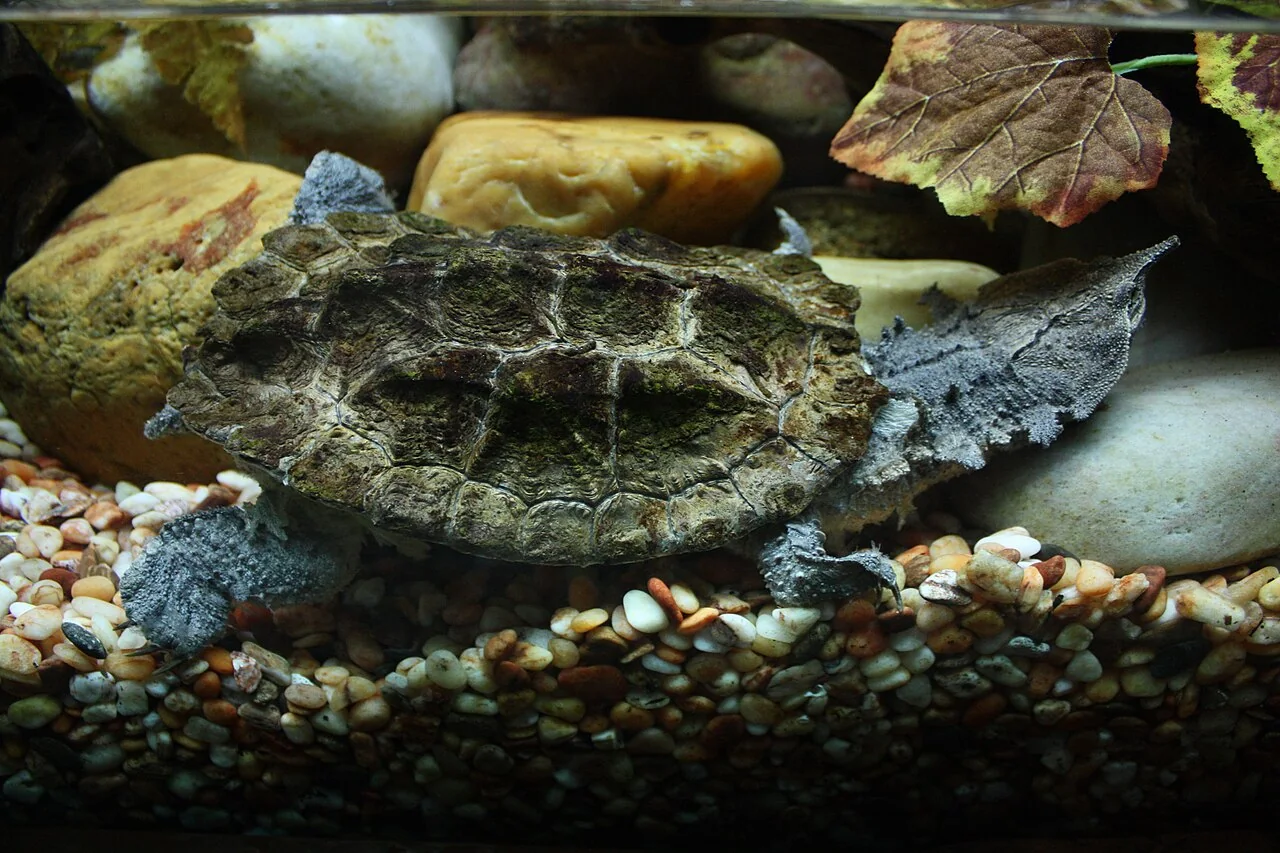 14Reptile
Chelus fimbriata and Chelus orinocensis
Fringed skin and a rough shell break up its outline among leaves on the riverbed.
Read Mata mata turtle profile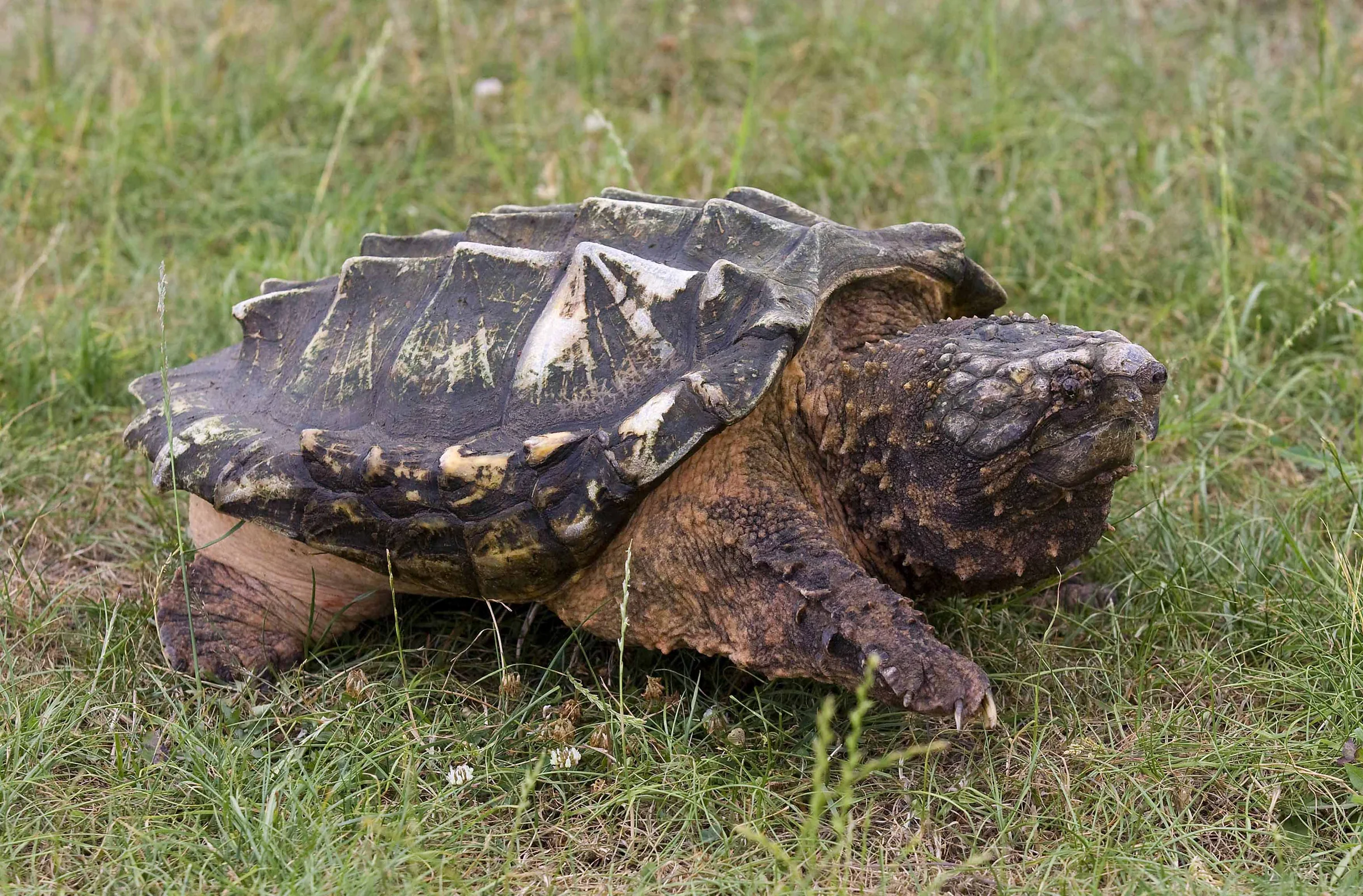 15Reptile
Macrochelys temminckii
A ridged shell provides camouflage, while a worm-like tongue lure draws fish close.
Read Alligator snapping turtle profile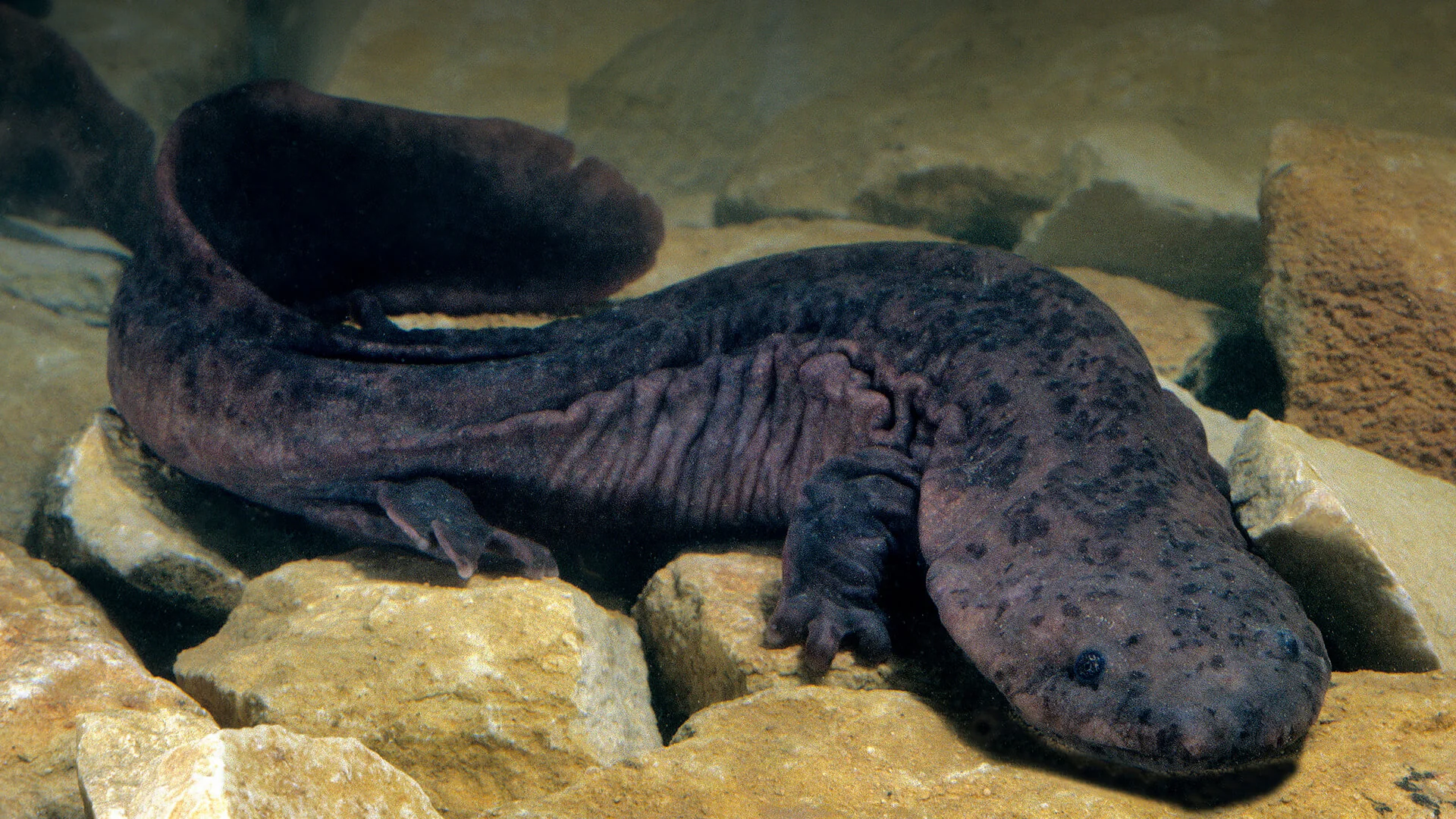 16Amphibian
Andrias davidianus
Its flattened body and folded skin support an almost entirely aquatic life.
Read Chinese giant salamander profile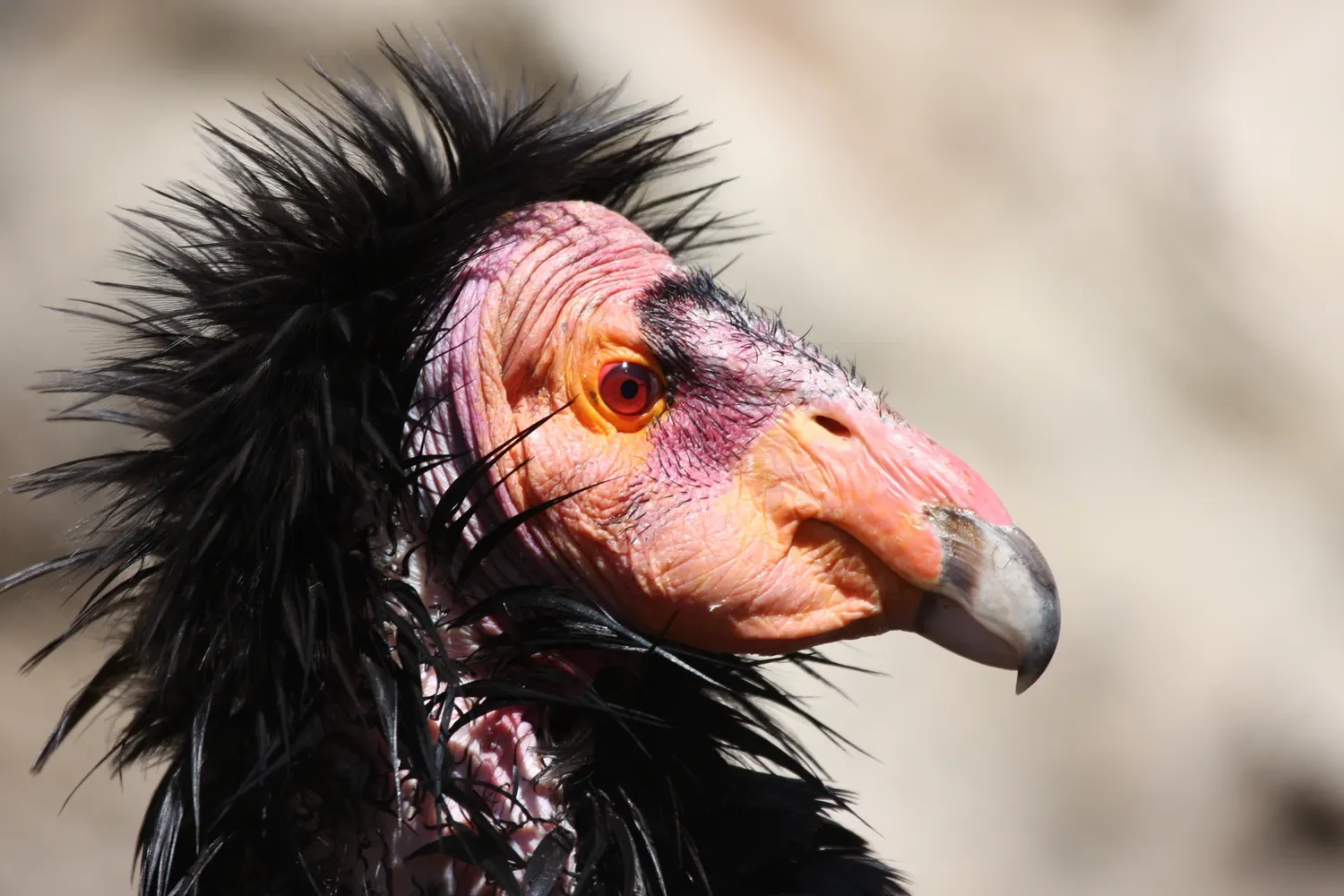 17Bird
Gymnogyps californianus
A bare head is easier to keep clean when the bird feeds inside large carcasses.
Read California condor profile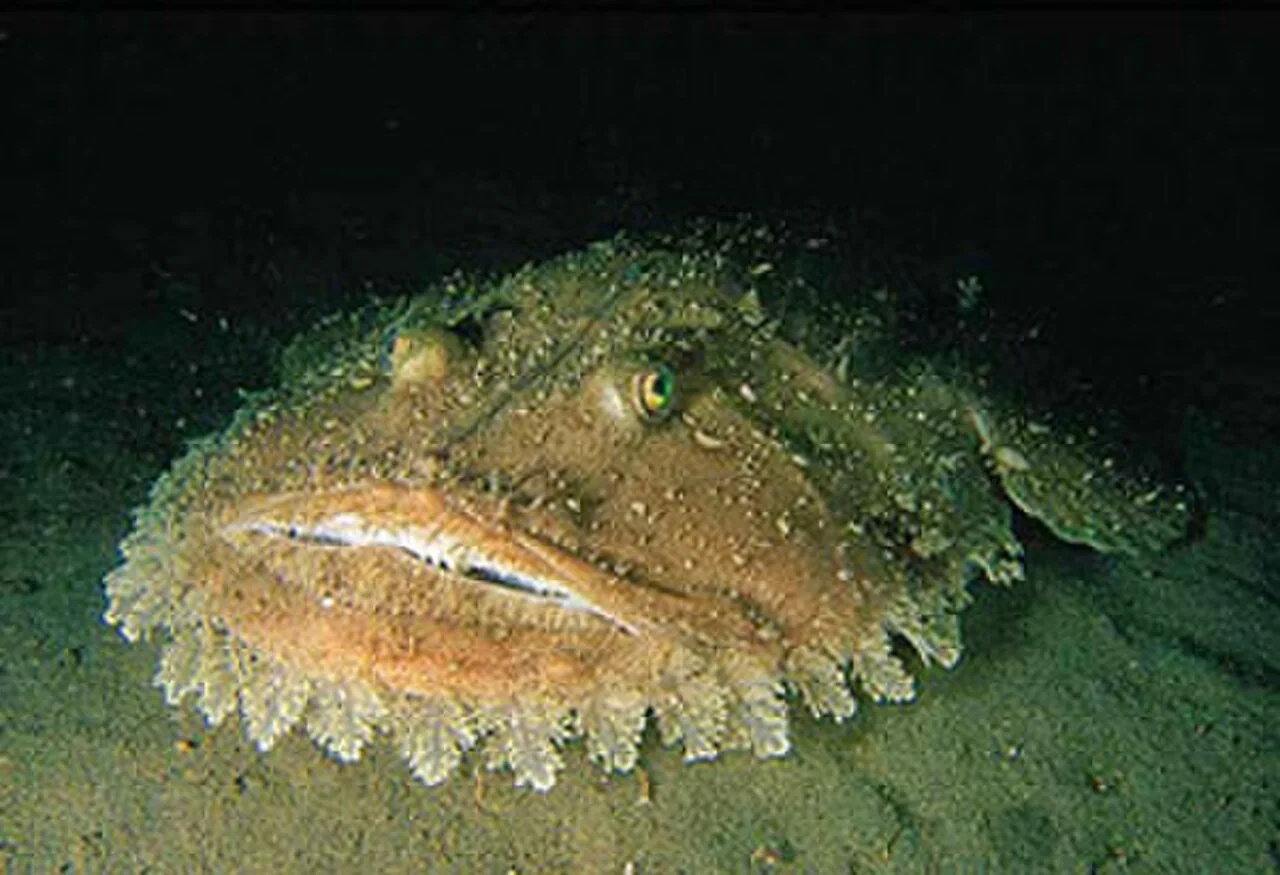 18Fish
Lophius piscatorius
A flattened body, camouflage and a very wide mouth suit an ambush hunter on the seabed.
Read Monkfish profile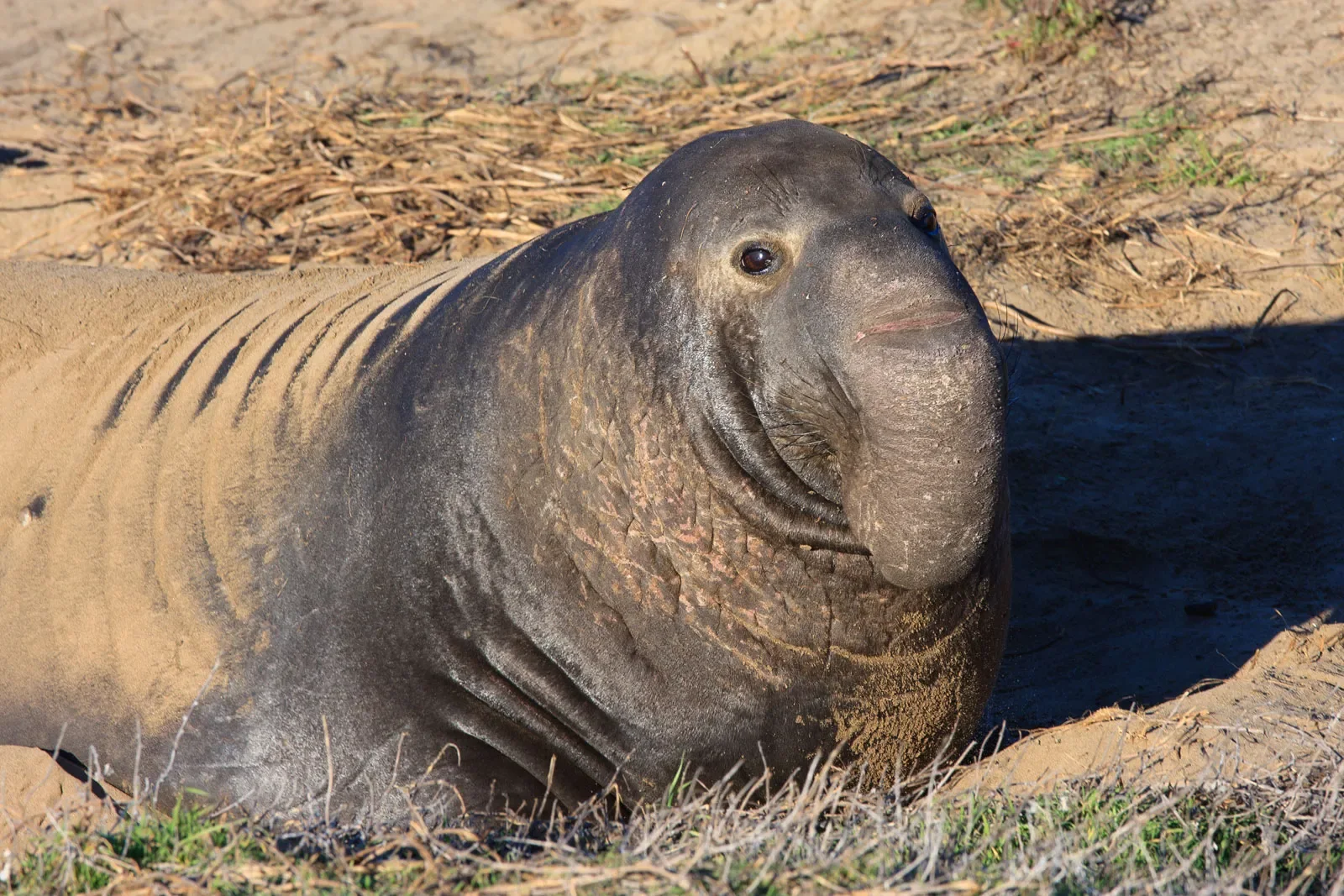 19Mammal
Mirounga leonina
The adult male's inflatable nose amplifies calls and makes his size more conspicuous.
Read Southern elephant seal profile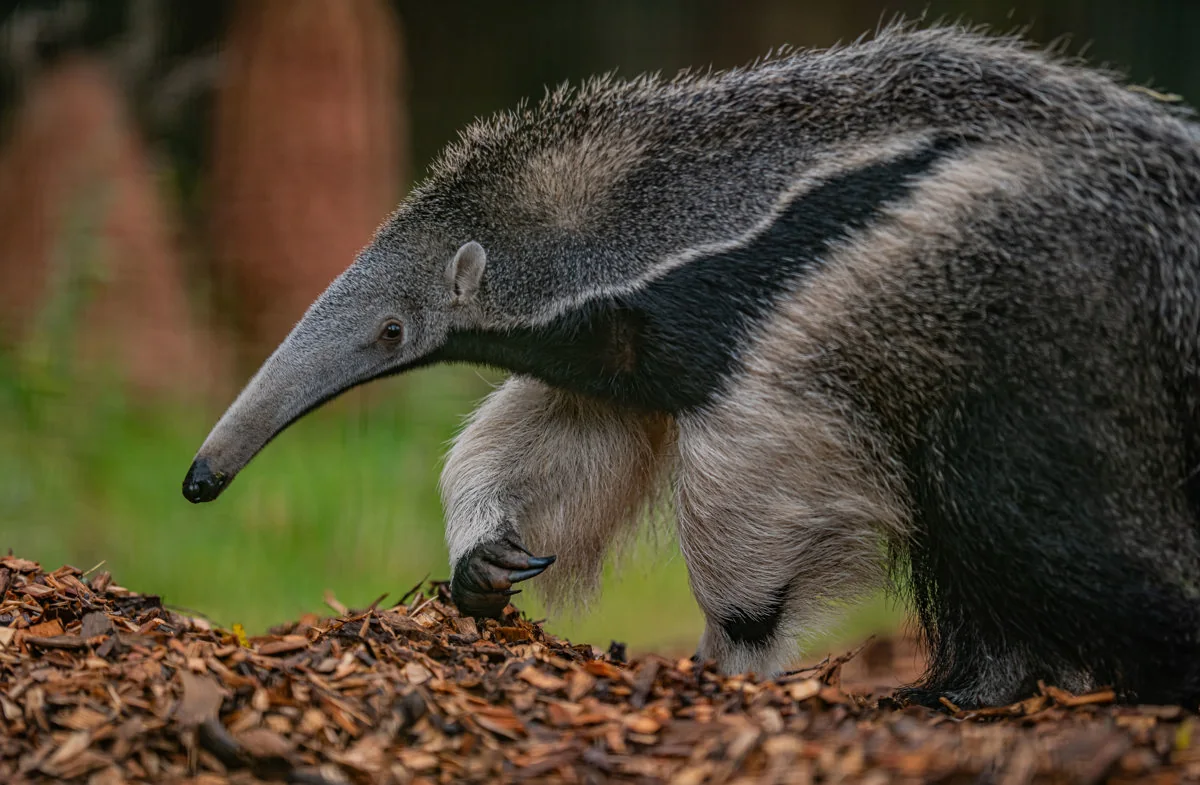 20Mammal
Myrmecophaga tridactyla
A long snout and tongue reach deep into ant and termite nests without the need for teeth.
Read Giant anteater profile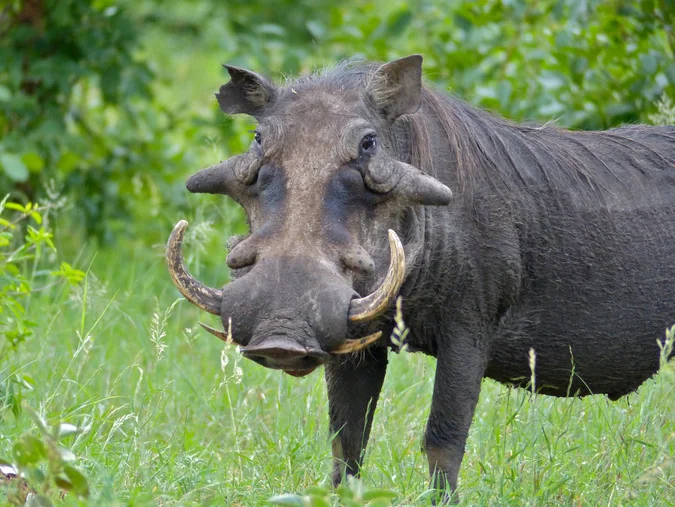 21Mammal
Phacochoerus africanus
Tusks are tools and weapons, while thick facial pads offer protection during clashes.
Read Common warthog profile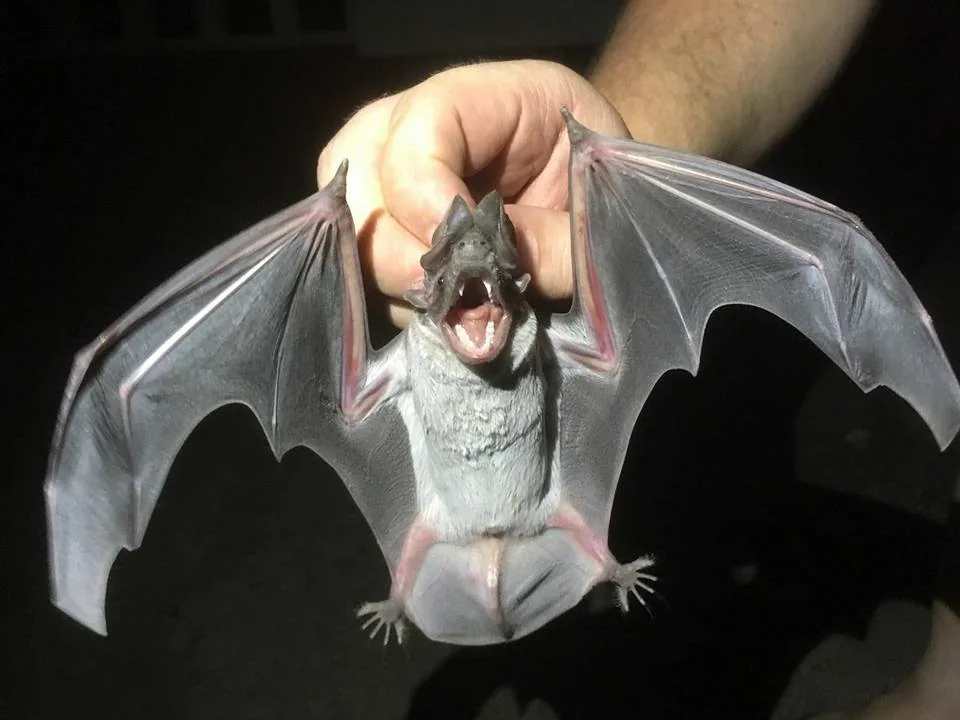 22Mammal
Mops condylurus
Broad ears, wrinkled lips and long narrow wings belong to a fast aerial insect hunter.
Read Angolan free-tailed bat profile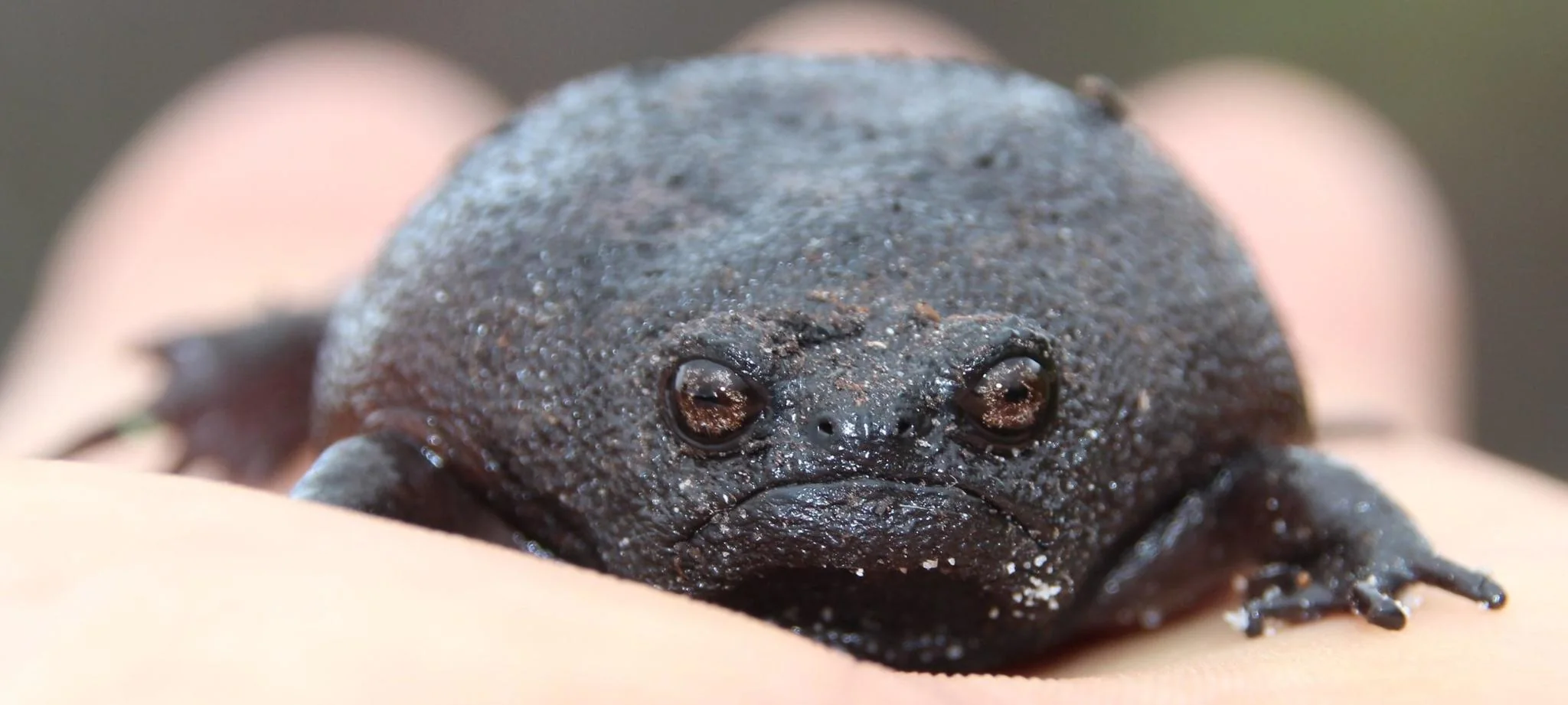 23Amphibian
Breviceps fuscus
Its rounded body and short powerful limbs are built for digging, not long jumps.
Read Black rain frog profile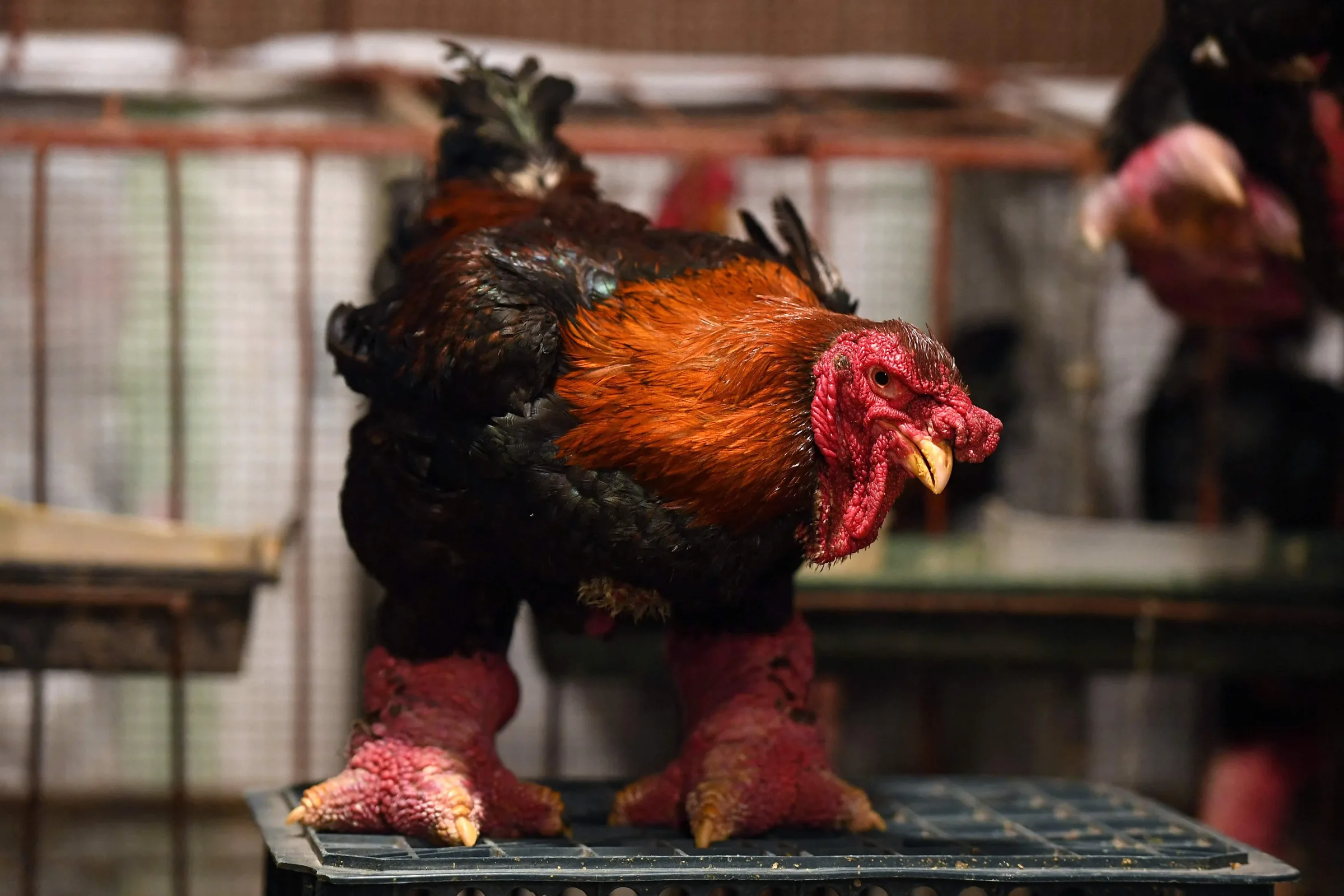 24Bird
Gallus gallus domesticus
Its remarkably thick legs are a domestic breed trait shaped by selective breeding.
Read Dong Tao chicken profileHow to use this collection
A large mouth means something different on a deep-sea predator than it does on a river turtle. A useful explanation identifies the animal before assigning a function.
Use each profile to move from appearance to anatomy, habitat, behaviour and conservation. Related profiles show where similar-looking features evolved for different reasons.