Definition and identity
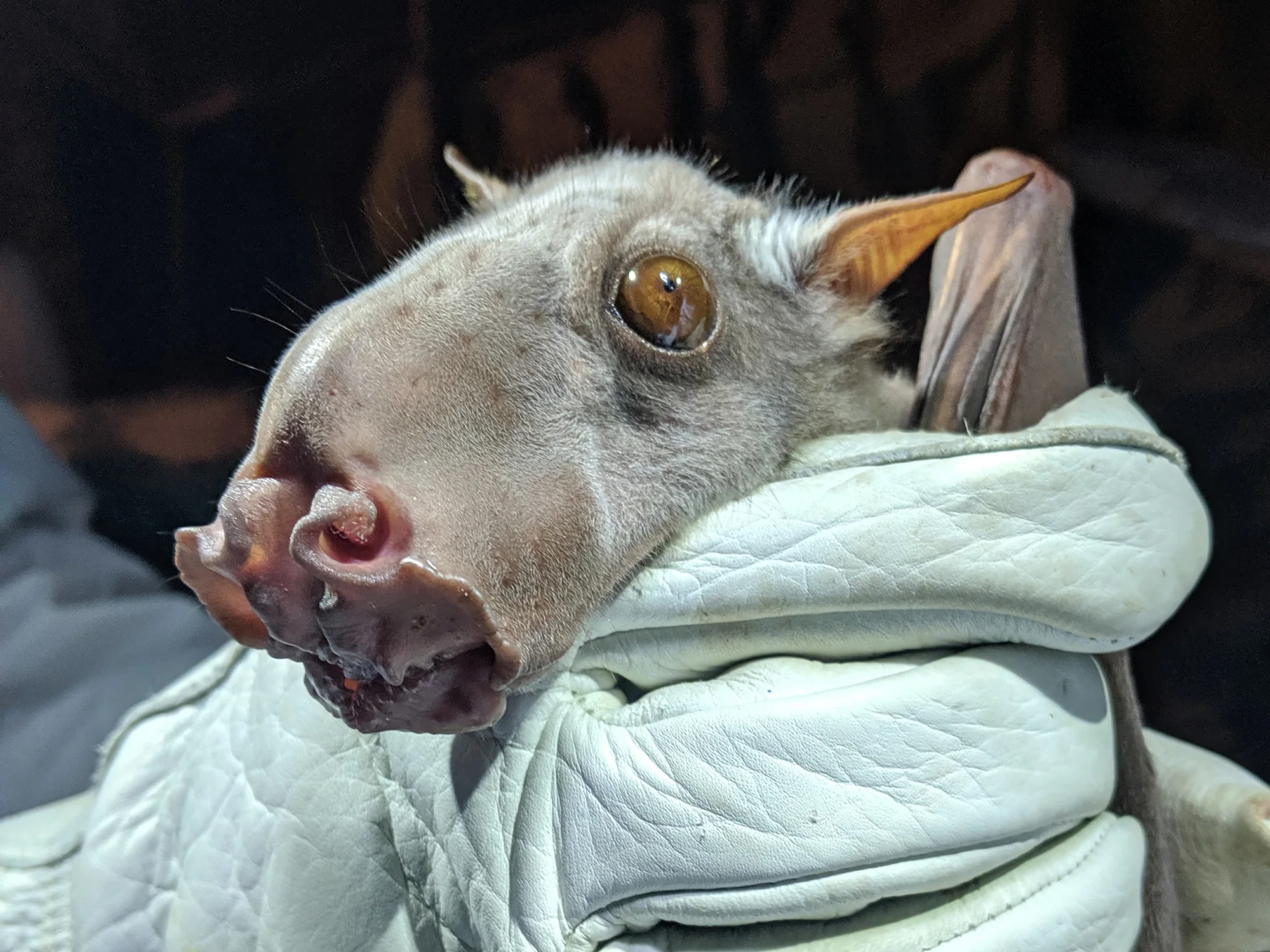
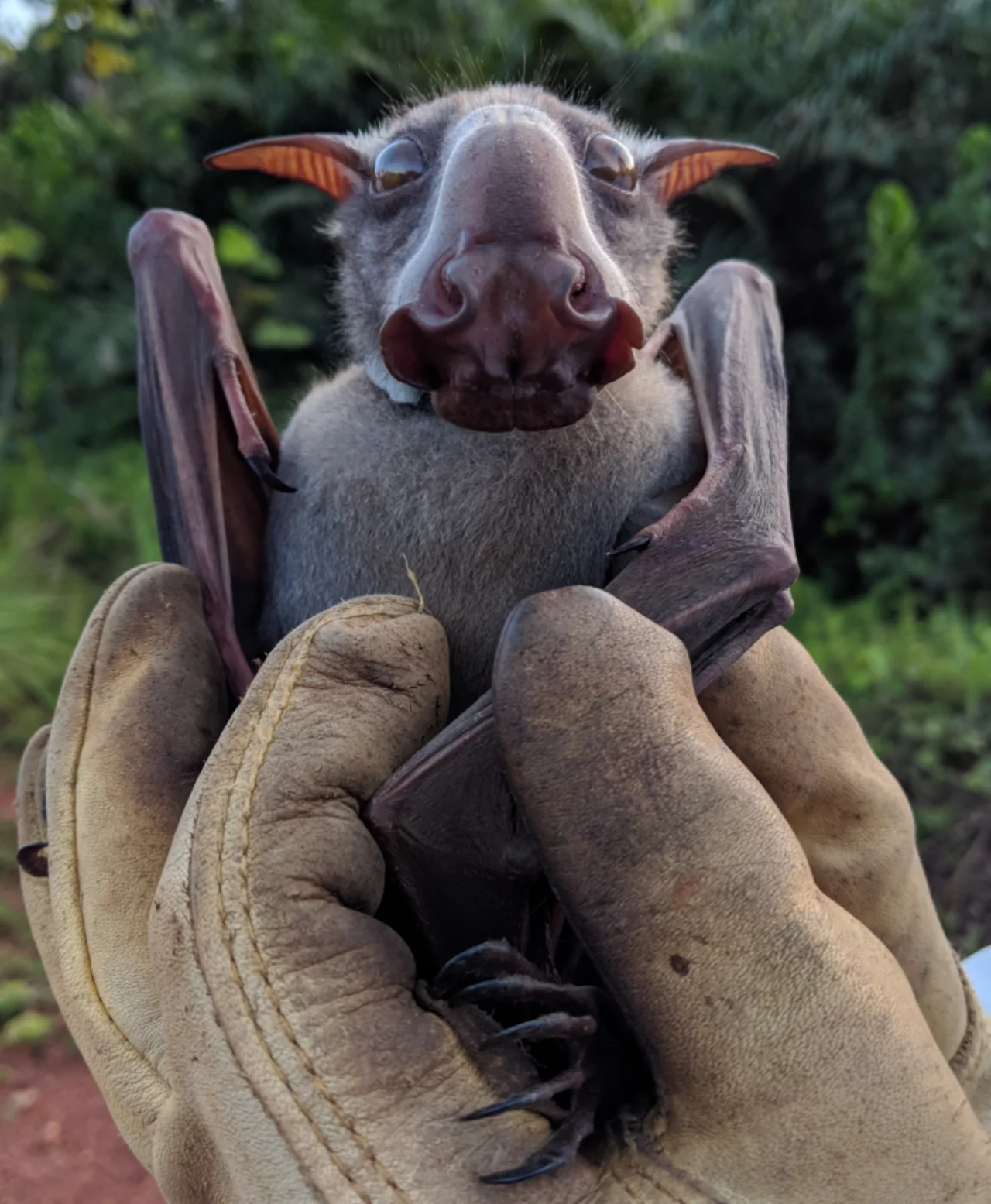
What is a hammer-headed bat?
This species is a megabat and fruit eater, not a blood-feeding bat. It occurs across parts of West and Central Africa, often near forest, swamps and rivers where fruiting trees are available.
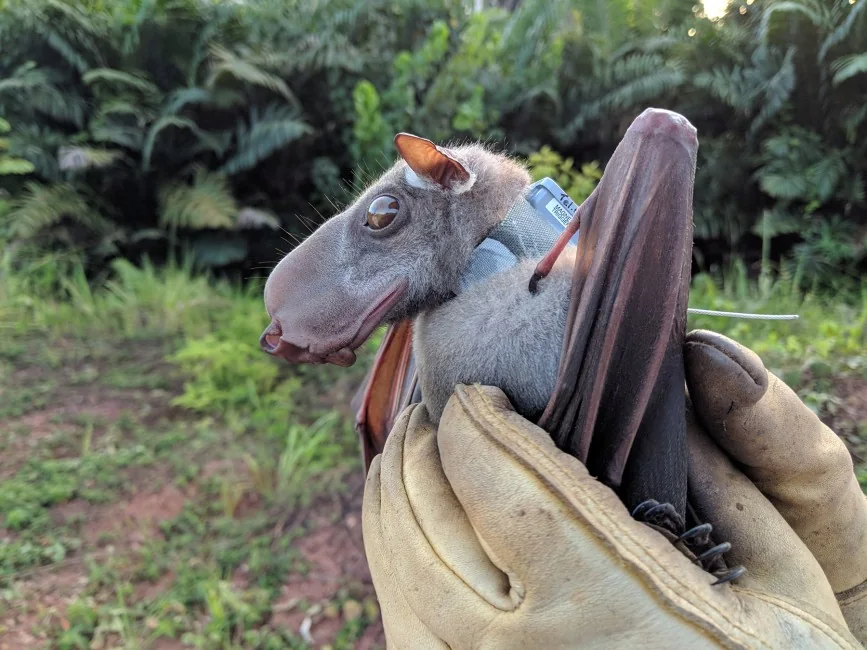
Females have a more typical fox-like fruit bat face. The extreme hammer shape belongs mainly to mature males and is linked to reproduction rather than everyday feeding.
Hammer-headed bat biology
Why do males have hammer-shaped heads?
Male anatomy includes an enlarged larynx, resonating spaces and broad lips. Together these structures help produce loud honking calls that carry through nighttime display areas.
The large voice box occupies substantial body space. The face therefore looks disproportionate because sexual selection has favoured sound production, not because the bat needs a broader mouth to eat larger prey.
Hammer-headed bat biology
How does hammer-headed bat courtship work?
Males gather in display arenas called leks, space themselves along branches and call repeatedly. Females fly through the area, assess callers and choose a mate.
This system concentrates competition in sound and display. It helps explain why male and female bodies diverged so strongly even though both depend mainly on fruit.
Hammer-headed bat biology
What do hammer-headed bats eat?
They feed largely on fruit and may travel between fruiting trees. By carrying or digesting fruit they can disperse seeds, linking an unusual face to ordinary forest processes.
The species is assessed as Least Concern across a broad range. Hunting and habitat change may still affect local populations, and images of harvested bats should not be mistaken for evidence that the species is naturally aggressive.
Conservation
Conservation status: Least Concern
The hammer-headed bat remains widespread enough for a Least Concern assessment. Forest loss and hunting can still matter locally, especially around predictable roosts and display sites.
Evidence and further reading
Hammer-headed bat sources
Source 1 · Bat Conservation International
Hypsignathus monstrosusUsed for: Identity, distribution and conservation overview.
Source 2 · Animal Diversity Web
Hammer-Headed Fruit BatUsed for: Sexual dimorphism, lek behaviour, diet and vocal display.