Definition and identity
What is an Angolan free-tailed bat?
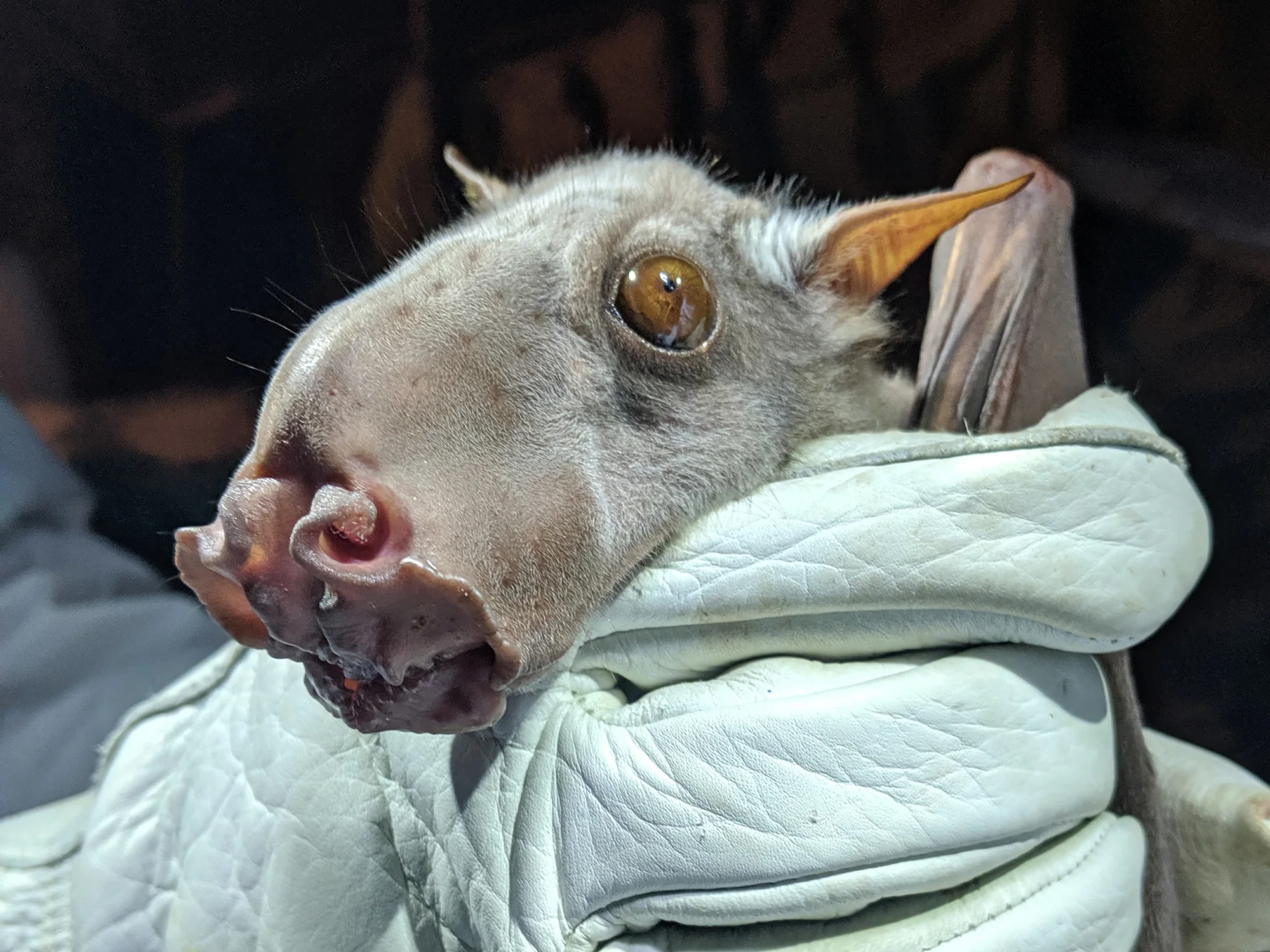
This bat belongs to the family Molossidae, whose members are named for tails that project beyond the membrane between the hind legs. It should not be confused with the much larger fruit-eating hammer-headed bat.
Angolan free-tailed bats occur across a broad part of Africa and can use natural cavities, buildings and other sheltered roosts. Flexible roost choice helps them live in both natural and modified landscapes.
Angolan free-tailed bat biology
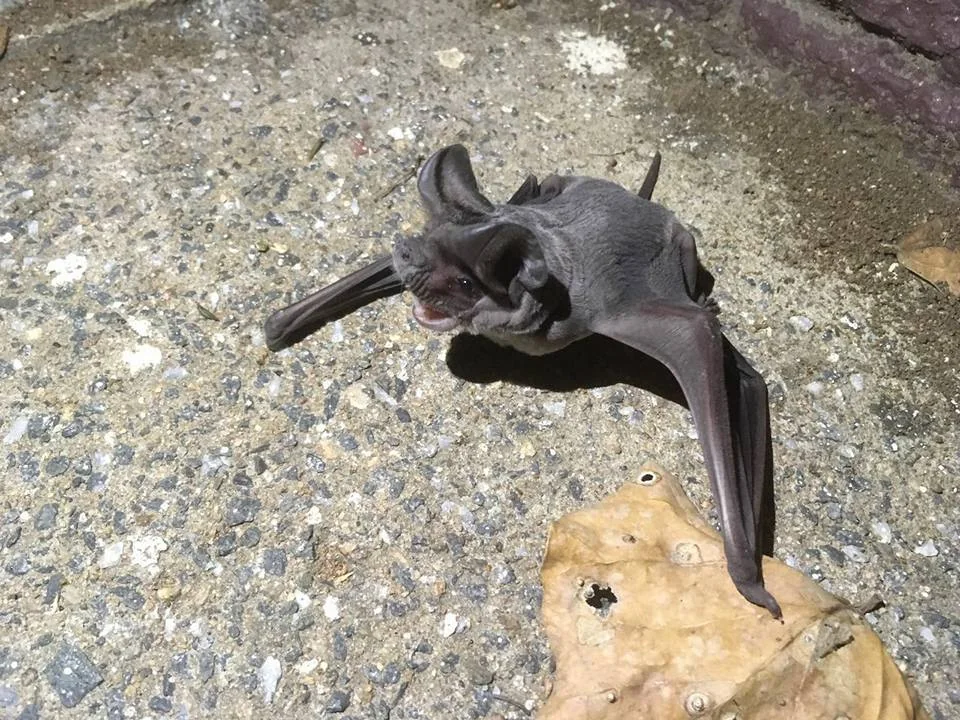
How is a free-tailed bat built for speed?
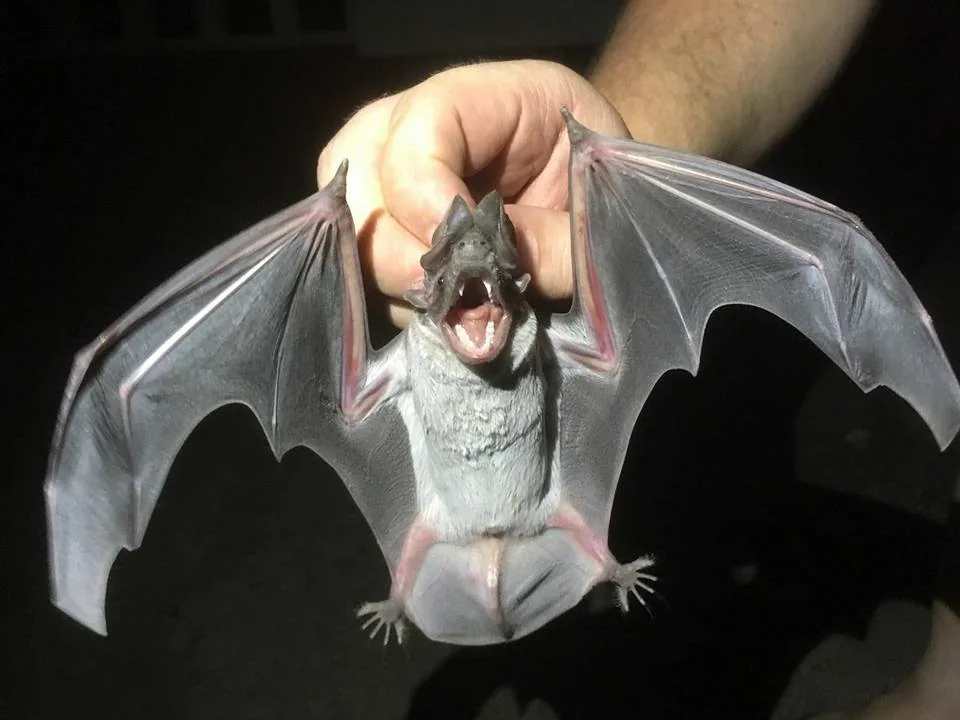
Long narrow wings are efficient in fast forward flight but less suited to hovering inside dense vegetation. The bat hunts above open ground, water or canopy where flying insects can be pursued at speed.
The tail and membrane contribute to stability and manoeuvring. Large ears receive returning echolocation echoes even while the animal moves rapidly through dark air.
Angolan free-tailed bat biology
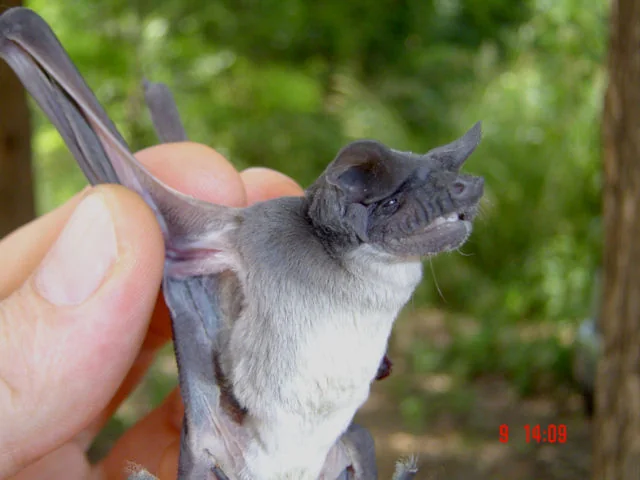
Why does its face look wrinkled?
Folded lips and a compact muzzle are normal molossid anatomy, not a sign that the bat is snarling. Human viewers often misread a resting bat face as an emotional expression.
The prominent ears and muzzle support sound production and reception during echolocation. Appearance and sensory function are linked even when the exact surface shape is not itself an isolated adaptation.
Angolan free-tailed bat biology
Is the Angolan free-tailed bat endangered?
The IUCN assessment cited by Mammal Diversity Database lists the species as Least Concern. It has a wide range and uses varied habitats.
Roost destruction, persecution and pesticides can still affect local colonies. Bats near buildings should be managed with exclusion timing and wildlife guidance rather than sealed inside roosts.
Conservation
Conservation status: Least Concern
The species is widespread and currently assessed as Least Concern. Protecting roost access and insect-rich feeding areas remains useful, particularly where colonies share buildings with people.
Evidence and further reading
Angolan free-tailed bat sources
Source 1 · U.S. Fish and Wildlife Service
Angolan Free-Tailed BatUsed for: Accepted identity and species overview.
Source 2 · Mammal Diversity Database
Mops condylurusUsed for: Current taxonomy and IUCN assessment reference.