
Habitat field guide
Forest animals using sound, touch and specialised feeding
Forests are layered habitats where leaves block sight, food may be hidden and rivers divide the canopy. Sound, touch, climbing ability and specialised diets can matter more than a familiar-looking face.
Animals in this guide
7 connected profiles
Mammal
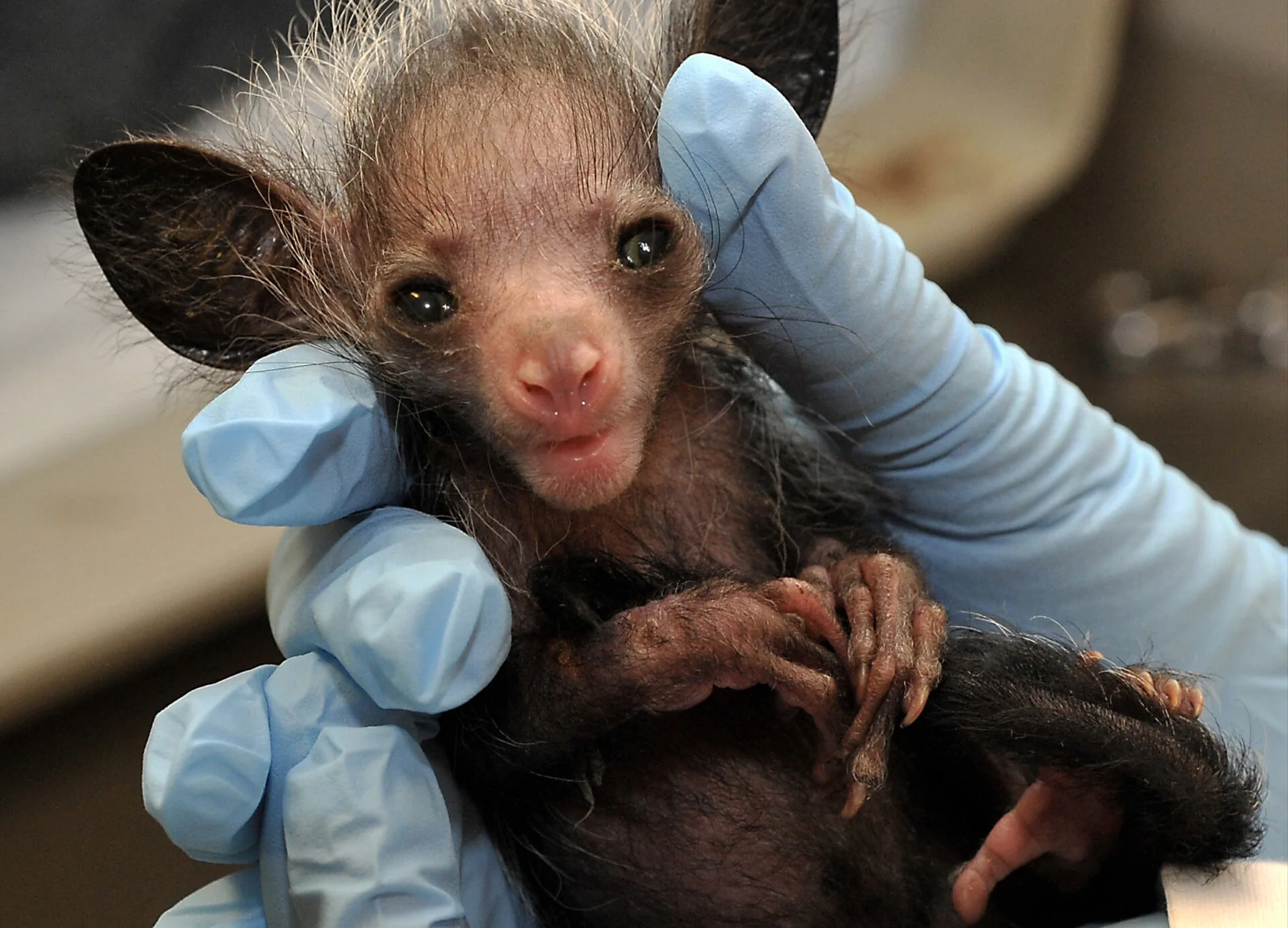
Aye-aye
The thin middle finger is not a deformity. It taps wood, reaches into cavities and hooks out insect larvae or soft plant material.
Read profile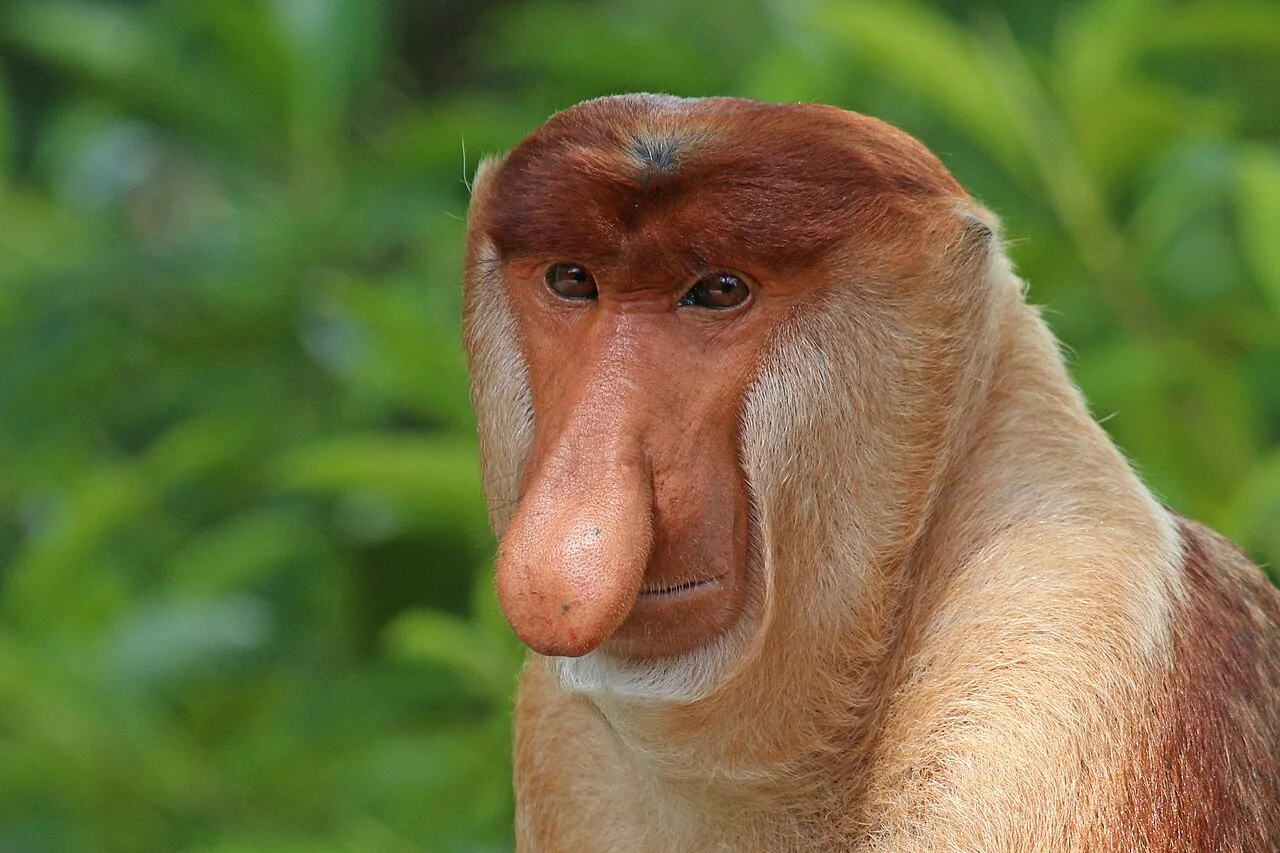
Mammal
Proboscis monkey
The male's nose is a sexually dimorphic trait. It is much larger than the female's and contributes to how males look and sound to other monkeys.
Read profile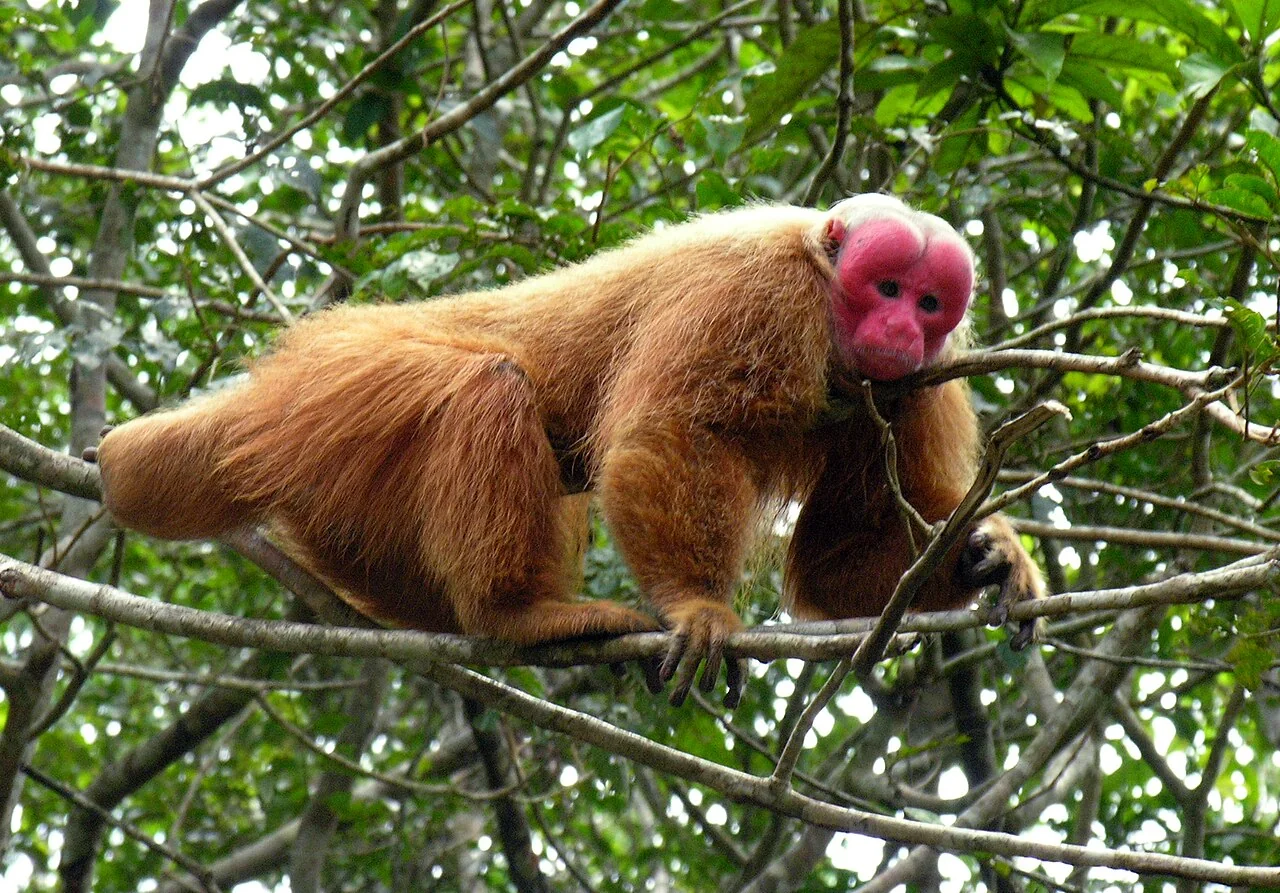
Mammal
Bald uakari
The face is red because capillaries sit beneath thin skin with little pigment. Colour may communicate health or physiological state, but simple mate-choice stories remain hypotheses.
Read profile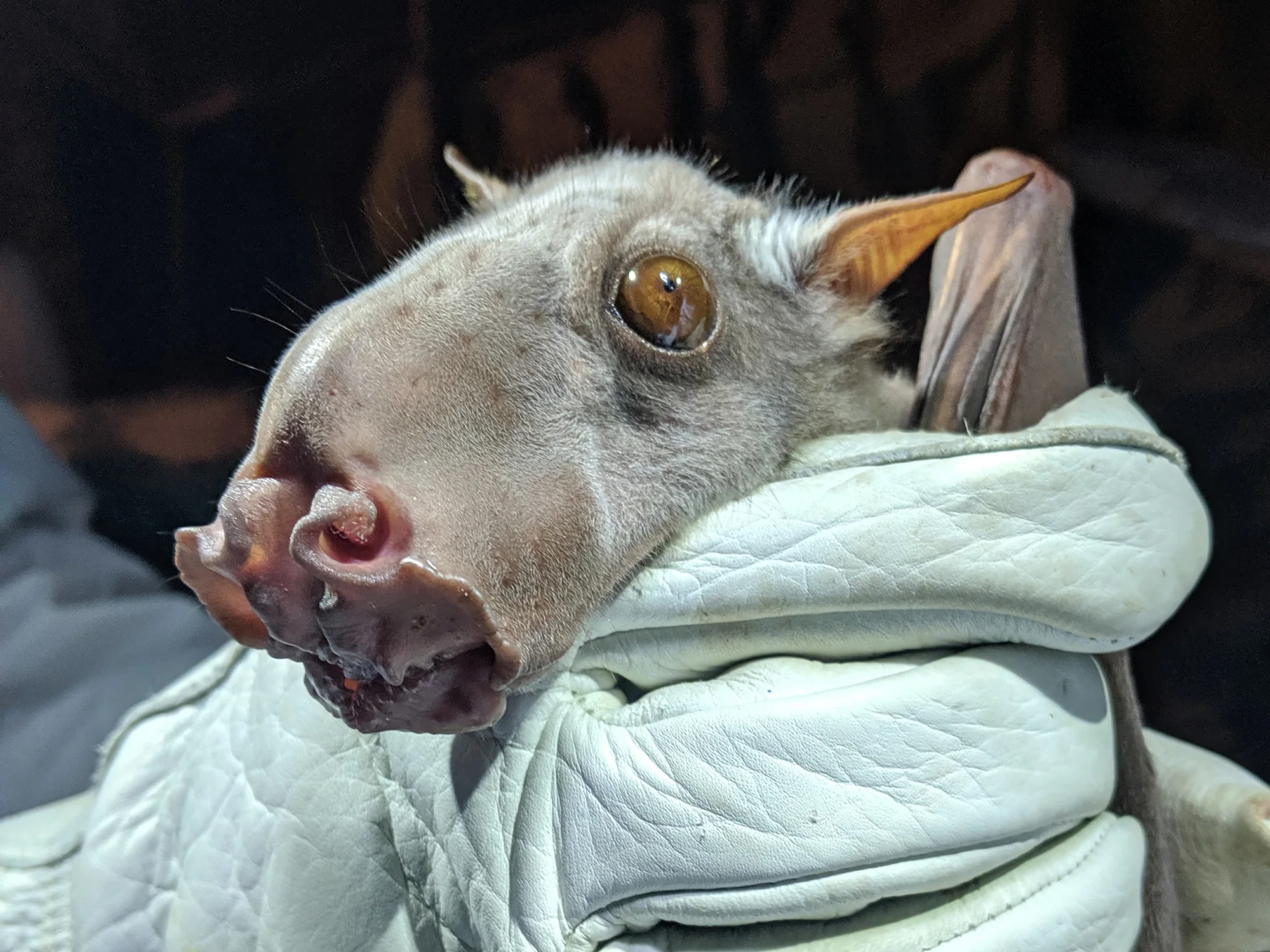
Mammal
Hammer-headed bat
The male's head is part of an acoustic system. Enlarged air passages, larynx and lips help turn a call into the far-carrying honk heard at display sites.
Read profile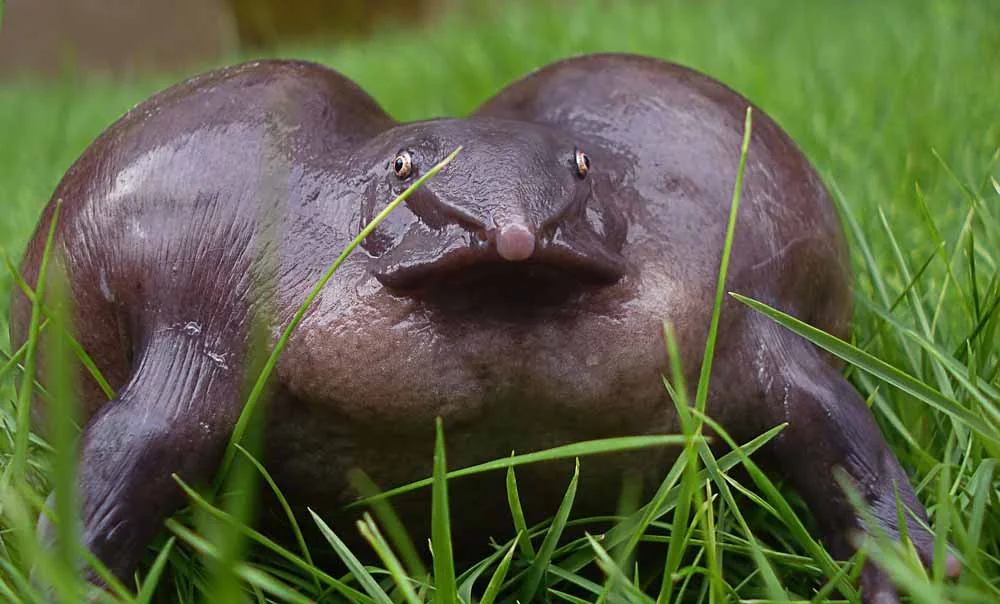
Amphibian
Purple frog
A compact body and reinforced limbs push through soil, while the narrow snout helps the frog work around underground feeding spaces.
Read profile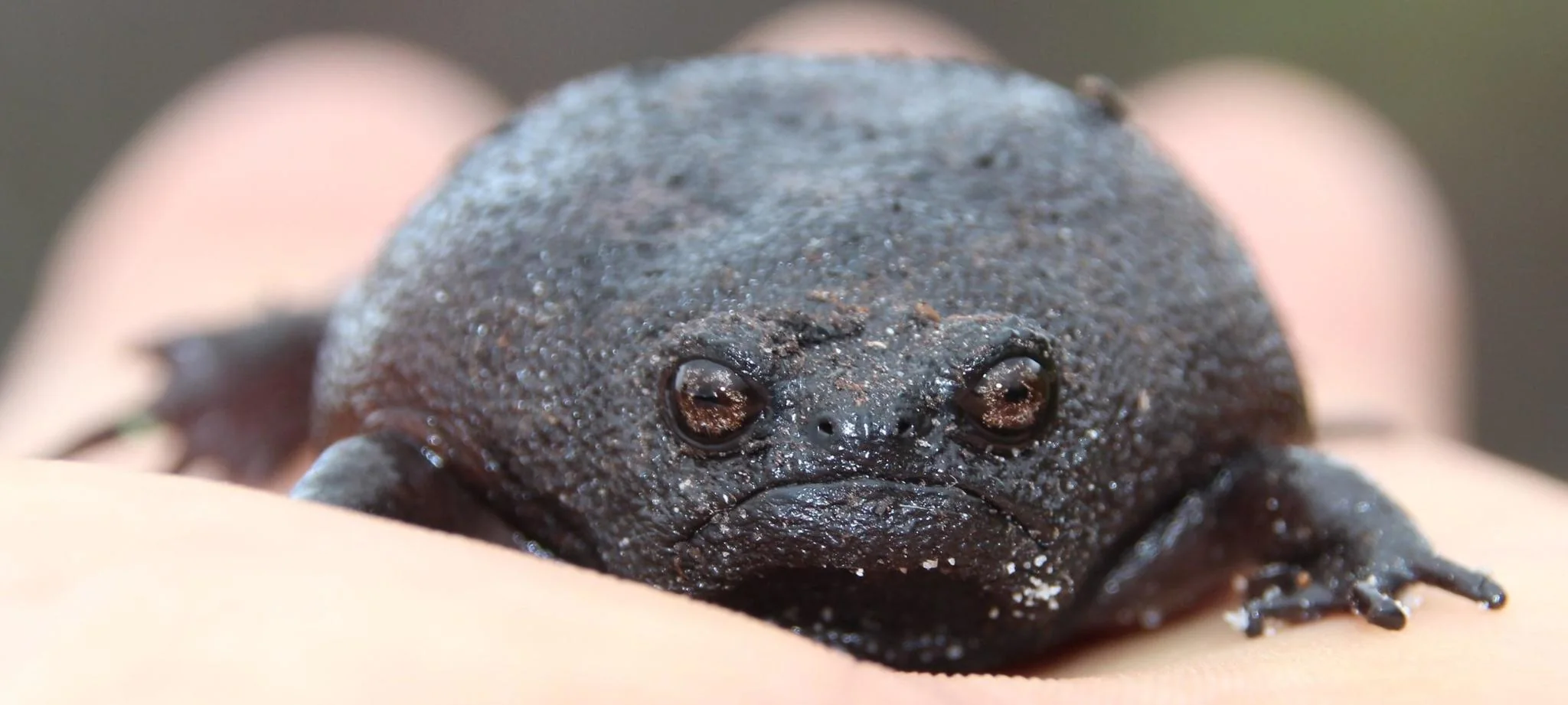
Amphibian
Black rain frog
Short muscular limbs push soil aside. The compact round body is stable underground, while inflation can make the frog harder for a predator to pull from a burrow.
Read profile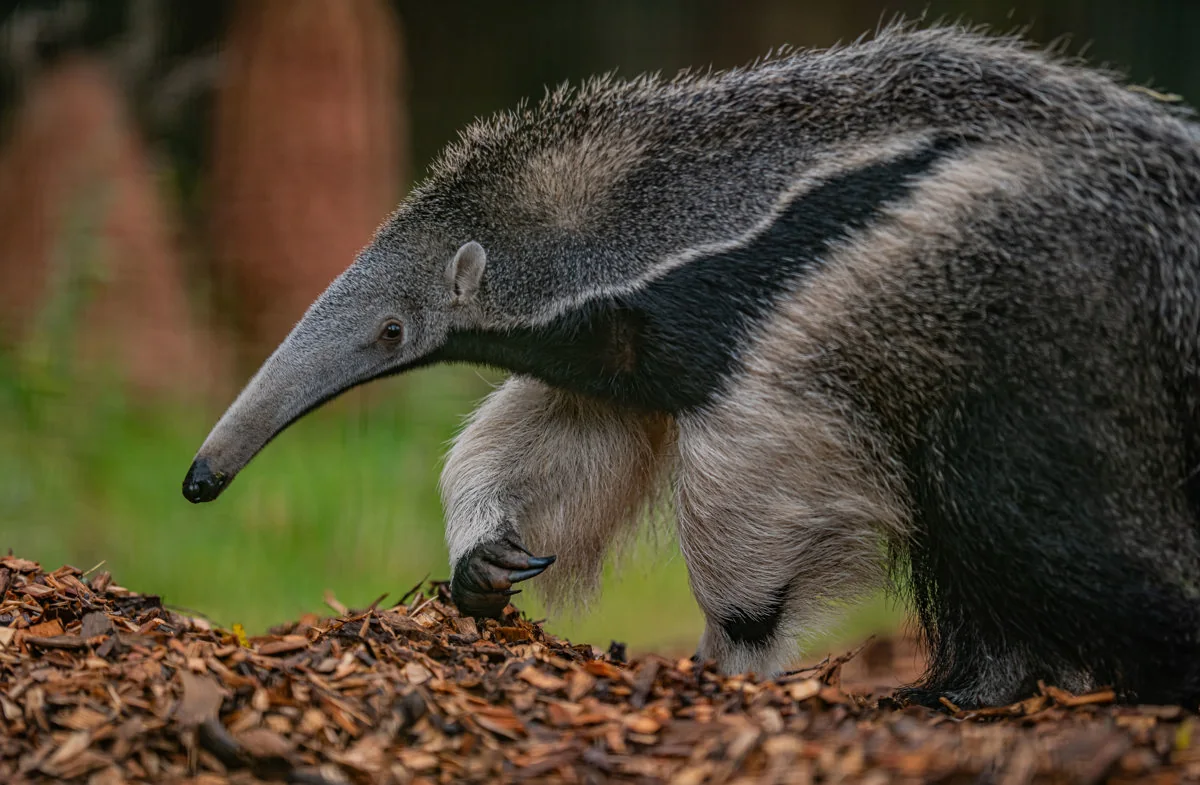
Mammal
Giant anteater
Claws break the nest, smell locates the insects and a saliva-coated tongue enters narrow chambers. The long skull is a housing for specialised feeding equipment.
Read profile02
Why are sound and colour useful in dense habitat?
Male hammer-headed bats produce loud calls at display sites, while male proboscis monkeys combine a large nose with resonant vocal signals. Bald uakaris have thin, visibly vascular facial skin that may communicate physiological condition.
Forest rivers also shape movement. Proboscis monkeys and uakaris are closely associated with flooded or riverside forests, so clearing along waterways can remove both travel routes and feeding areas.
03
How do forest layers and rivers divide the habitat?
The canopy, understory, forest floor and river edge offer different food, cover and routes. A climbing primate experiences the same forest differently from a burrowing frog or a ground-feeding anteater.
Seasonal flooding can connect feeding areas and later separate them. Animals may need trees for travel, soil for shelter and water for dispersal within one life cycle, which is why a forest should not be treated as a single flat patch of green.
04
What happens when a forest is fragmented?
Clearing can remove fruiting trees, display sites, nesting cavities or shaded soil even when some forest remains nearby. Roads and open land also change heat, moisture and the risk of hunting or collision at the edge.
Specialised anatomy cannot compensate for the loss of the resource it evolved to use. Protecting corridors, river margins and connected forest blocks keeps more of the animal's daily and seasonal needs within reach.
Continue exploring
Compare this guide with the wider collection.