Definition and identity
What is a mata mata turtle?
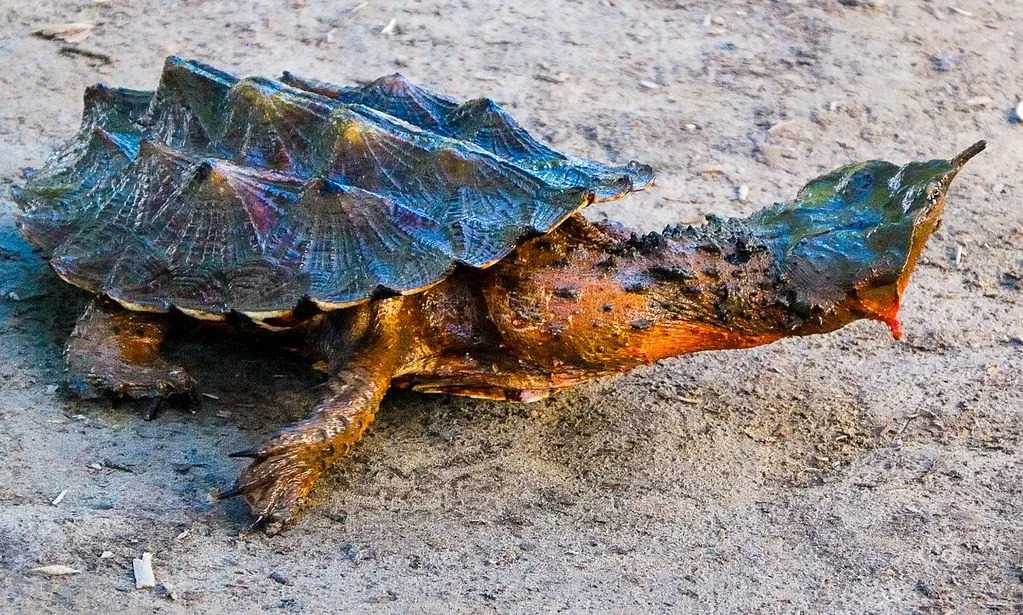
Mata matas are side-necked turtles in the family Chelidae. Instead of pulling the head straight back into the shell, they bend the neck sideways. A long snorkel-like snout lets the animal breathe while most of the head remains submerged.
Genomic and anatomical research published in 2020 separated the Orinoco mata mata, Chelus orinocensis, from the Amazonian Chelus fimbriata. Older references may describe both as one widespread species, so range and status claims need to account for that change.
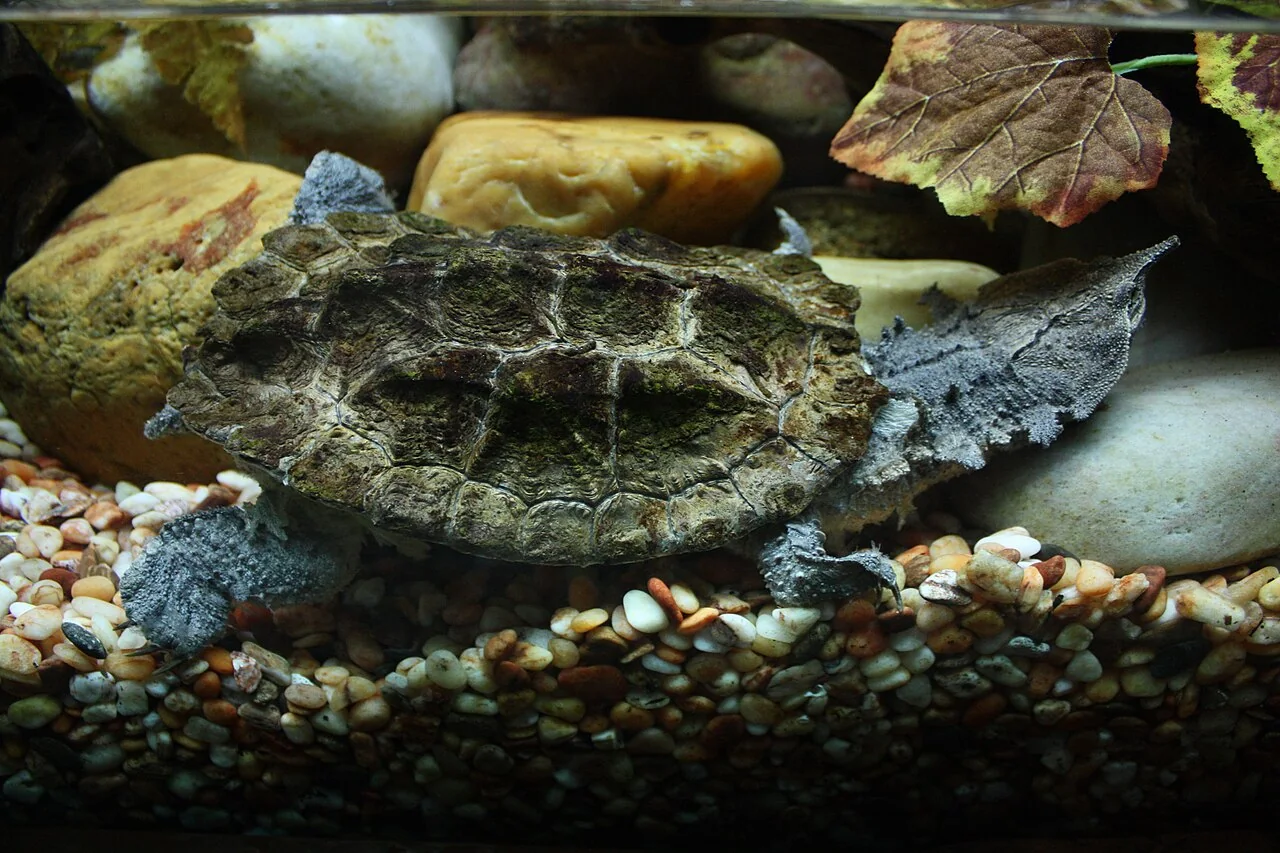
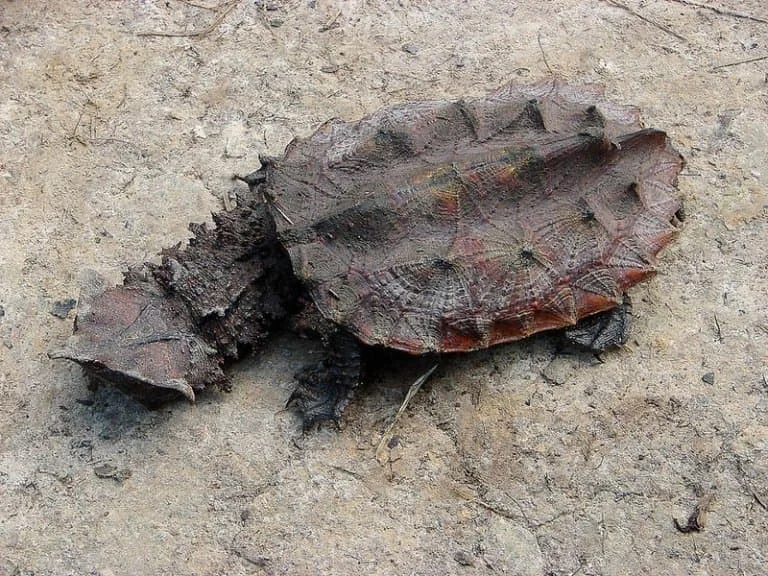
The broad triangular head carries tubercles, barbels and skin flaps. Some of these structures contain sensory nerves, while the overall texture resembles the leaves and sticks found in quiet tropical water.
Mata mata turtle biology
How does a mata mata eat?
A mata mata waits rather than pursuing prey over distance. When a fish enters range, the turtle extends its head and opens its large mouth. The expanding throat creates suction that pulls water and prey inside.
The jaws are not built for chewing a meal into pieces. Small prey is swallowed whole after excess water leaves the mouth, making positioning and timing more important than a fast chase.
Mata mata turtle biology
Why does the mata mata look like a dead leaf?
The shell's ridges and the neck's fringes interrupt a smooth turtle-shaped outline. Brown and grey colouring can merge with mud, bark and decomposing vegetation on the riverbed.
This appearance supports both defence and feeding. Remaining inconspicuous may reduce attention from predators and allows an ambush hunter to wait closer to small fish.
Mata mata turtle biology
Where do mata matas live?
Chelus fimbriata occurs mainly in the Amazon basin, while Chelus orinocensis occupies the Orinoco and connected northern drainage systems. Both use shallow, slow-moving water where mud and submerged vegetation provide cover for ambush feeding.
The Smithsonian identifies international pet collection as an important threat and notes that several range countries prohibit export. The absence of a current global Red List assessment for the two recognised species should not be interpreted as proof that wild collection is harmless.
Conservation
Conservation status: Not currently assessed
Neither recognised mata mata species currently has an IUCN Red List assessment. A specialist-group provisional assessment treated the former single-species concept as Least Concern, but it predates the 2020 split. Pet trade and habitat degradation still warrant attention because local pressures can exist without a current global category.
Evidence and further reading
Mata mata turtle sources
Source 1 · Smithsonian's National Zoo
Matamata TurtleUsed for: Taxonomy, range, habitat, sensory structures, feeding and trade concerns.
Source 2 · Molecular Phylogenetics and Evolution
Genomic Analyses Reveal Two Species of the MatamataUsed for: Recognition of Chelus fimbriata and Chelus orinocensis as distinct species.
Source 3 · IUCN Tortoise and Freshwater Turtle Specialist Group
Chelus fimbriata Species AccountUsed for: Earlier conservation treatment and the need for an updated assessment.